Russia is deploying powerful electronic warfare systems capable of disrupting Starlink satellite communications and disguising military logistics in civilian vehicles, Ukrainian drone commanders have said.
According to a Reuters report published on Wednesday, Russian forces are adapting to Ukraine’s expanding drone campaign by installing sophisticated jamming systems, concealing fuel shipments in civilian vehicles, and altering supply routes to reduce losses inflicted by long-range unmanned aircraft.
JOIN US ON TELEGRAM
Follow our coverage of the war on the @Kyivpost_official.
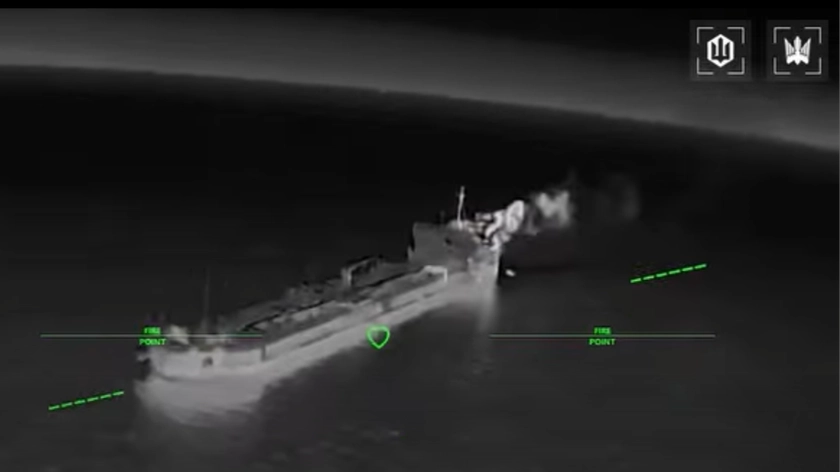
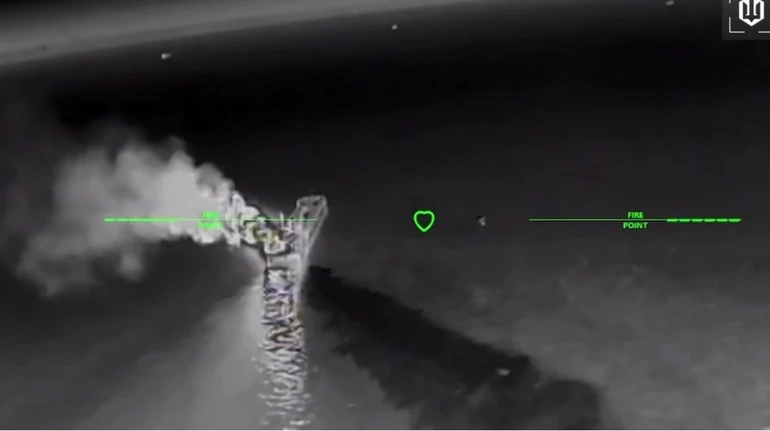
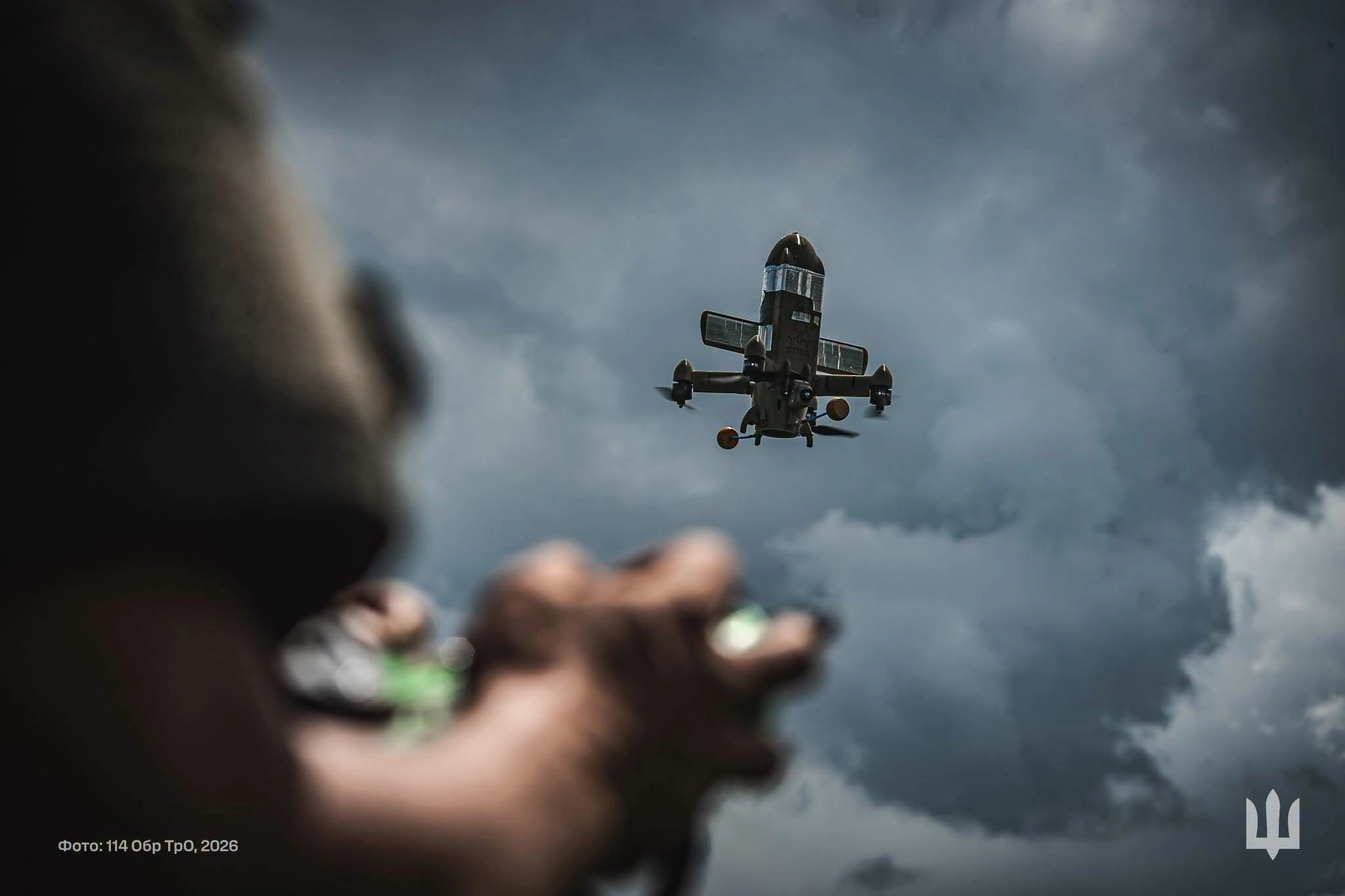
Ukraine’s mid-strike drones, capable of accurately hitting targets dozens of kilometers behind the front line, have become one of Kyiv’s most effective battlefield tools this year.
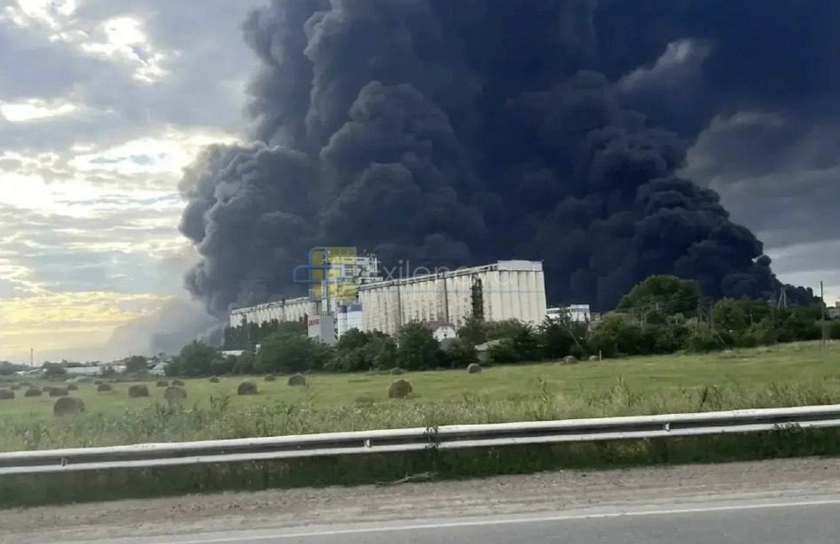
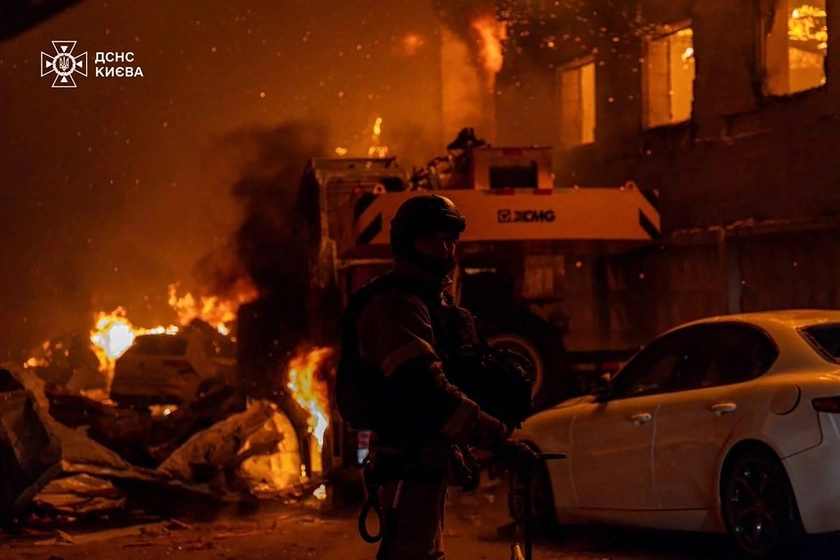
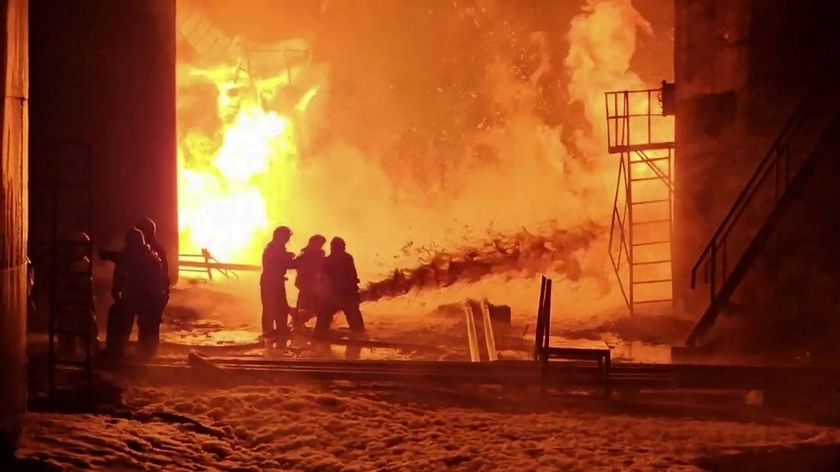
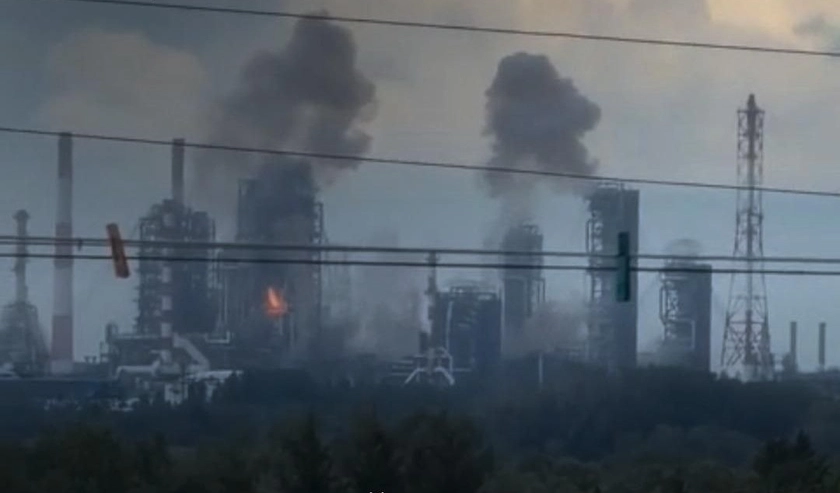
The drones have repeatedly struck Russian fuel depots, supply lines, command posts and air-defense systems, disrupting logistics, and contributing to fuel shortages in occupied Crimea.
However, commanders from Ukraine’s 422nd Unmanned Systems Regiment told Reuters that Russian forces are increasingly finding ways to counter those attacks.
One of Moscow’s latest countermeasures is the deployment of electronic warfare systems designed to interfere with Starlink, the satellite internet network operated by SpaceX and widely used by Ukrainian drone operators.
Serhii Beskrestnov, an adviser to Ukraine’s defense ministry, told Reuters that Russia has begun deploying a system known as Volna Kupol Garant, which emits a signal powerful enough to destabilize Starlink connections within an area of roughly 20 square kilometers (7.7 square miles).

Occupied Crimea Faces Prolonged Fuel Shortages, Russian-Backed Governor Warns
He said Ukrainian forces have identified around ten such systems so far.
The systems themselves have become priority targets for Ukrainian drone crews.
Major Mykola Kolesnyk, commander of the 422nd Regiment, said his unit helped destroy two of the jammers, including one struck only hours after it was detected during a joint operation with the Security Service of Ukraine (SBU).
“As soon as we struck that installation, our Starlink-equipped (drones) flew without problems,” a Ukrainian drone commander with the callsign “Dyryhent” added.
Beyond electronic warfare, Russian forces are also adapting their logistics to make Ukrainian targeting more difficult.
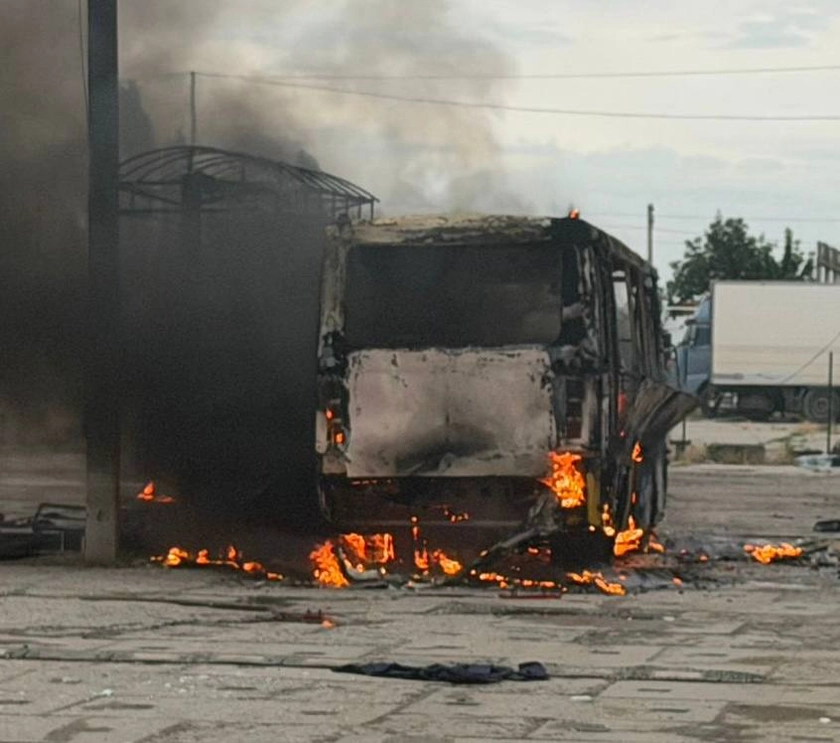
“We hit water tankers and the tankers were burning because there was gasoline inside,” Kolesnyk said. “We’ve hit painted-up milk trucks that had diesel fuel in them.”
According to Ukrainian commanders, Russian forces now move fuel in small convoys protected by pickup trucks equipped with machine guns, travel along secondary roads to avoid surveillance, and increasingly rely on civilian vehicles to transport military supplies.
Ukraine’s military intelligence also told Reuters that Russian troops use civilian cars, motorcycles and quad bikes to move ammunition, fuel and provisions near the front, while storing supplies in abandoned buildings, agricultural facilities, and even civilian gas stations.
Military analyst Rob Lee of the US-based Foreign Policy Research Institute told Reuters that Ukraine’s mid-range drone campaign has been among the most significant battlefield developments of the year, although Russia is beginning to adapt.
“If they scale production of the jammers, they could make it more difficult to conduct the middle-strike campaign,” Lee said.
You can also highlight the text and press Ctrl + Enter