For the first time in years, Georgia did not receive an invitation to attend a NATO summit, signaling a widening rift between Tbilisi and its traditional Western partners and sparking domestic political debate, Euronews reported.
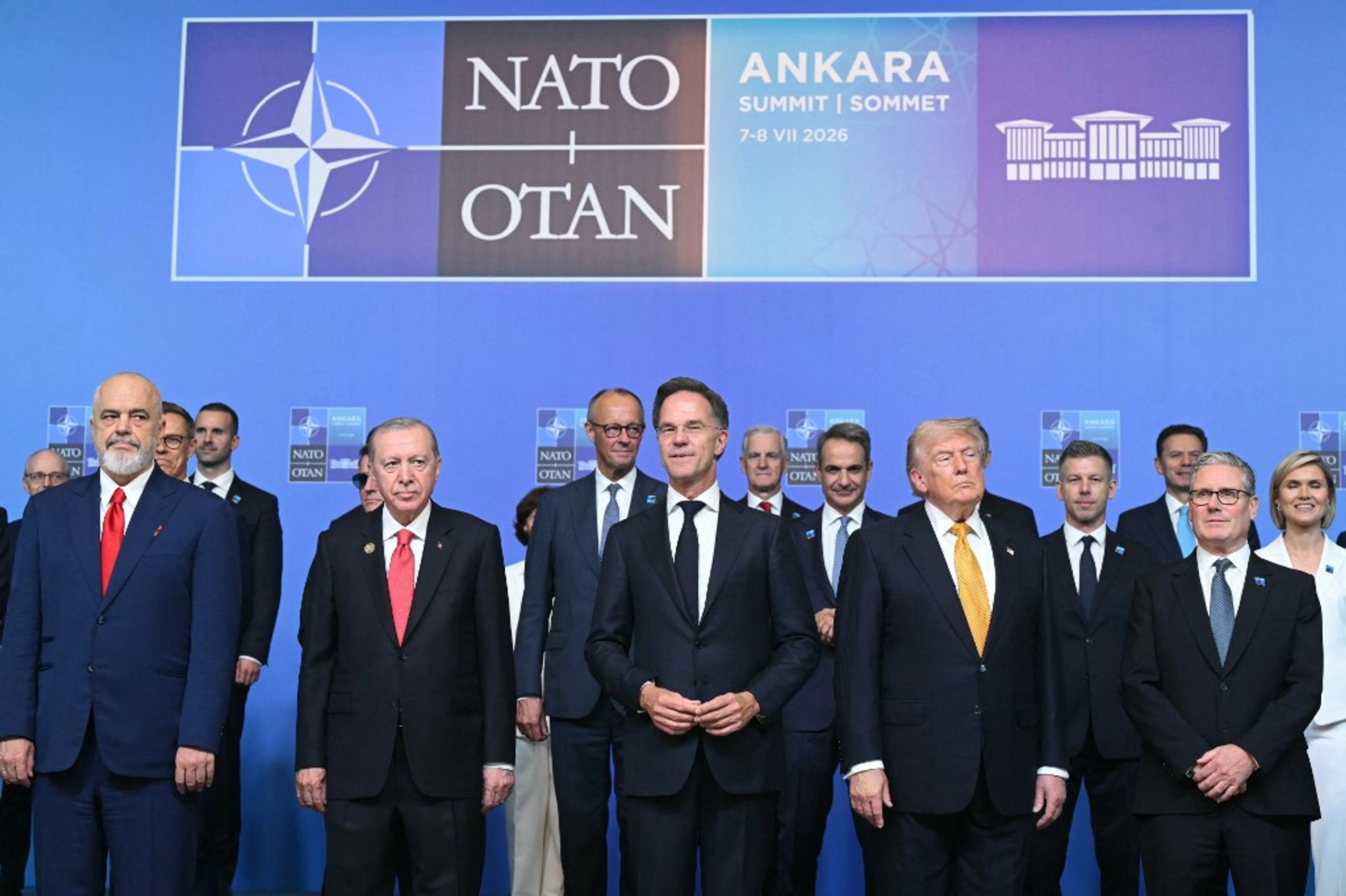
The alliance’s recent summit, held on July 7-8 in Ankara, Turkey, included leaders from NATO member states alongside a select group of partner nations. While countries such as Ukraine, Australia, Japan, New Zealand, Qatar, South Korea, and the United Arab Emirates were invited to participate, Georgia was notably absent from both the main events and peripheral meetings.
JOIN US ON TELEGRAM
Follow our coverage of the war on the @Kyivpost_official.
The exclusion marks a significant departure for a country that has historically prioritized its Euro-Atlantic integration and consistently declared its aspiration for full NATO membership.
The ruling Georgian Dream party was quick to downplay the significance of the snub, rejecting claims that the country is facing international isolation. Lawmaker Irakli Kirtskhalia stated that Tbilisi sees no issue with the lack of an invitation, suggesting that questions should be directed to the summit’s organizers.
However, opposition representatives and political analysts argue that the absence reflects a profound loss of trust from Western partners, driven by the current government’s domestic policies and its accommodating stance toward Russia.
Levan Dolidze, Georgia’s former ambassador to NATO, warned that the country has entered into a direct confrontation with its strategic allies.

Russian Hackers Hijacked Intercom Cameras to Spy on Ukraine Aid Routes
“Foreign policy that leads to international isolation causes significant damage to the national interests of our country,” Dolidze stated.
Tensions escalate with the EU
The diplomatic cold shoulder from NATO coincides with deteriorating relations between Tbilisi and Brussels.
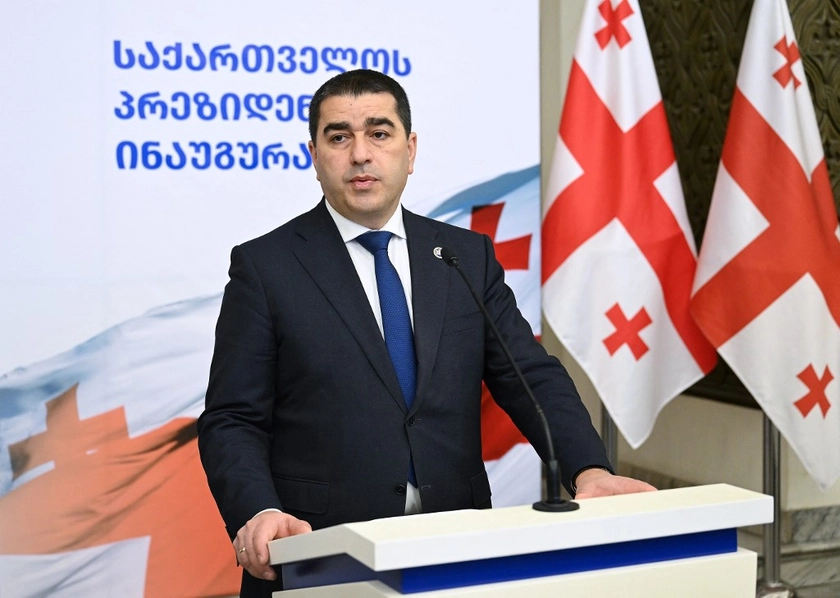
Earlier this week, Georgian Parliament Speaker Shalva Papuashvili accused the EU of attempting to coerce Tbilisi into imposing sanctions on Russia by leveraging the country’s visa-free travel status.
“They tell us that if we want visa-free travel, we must impose sanctions on Russia – in other words, commit suicide,” Papuashvili claimed in June. “If we destroy ourselves, who will travel to the EU without visas?”
Papuashvili also alleged that Brussels is aggressively pushing Georgia to align its visa policy with EU standards.
The Speaker’s remarks come as the EU operationalizes a new mechanism that allows the bloc to suspend visa-free privileges for countries deemed to be experiencing democratic backsliding. The updated rules, which took effect on Dec. 30, 2025, permit Brussels to initially target diplomatic and service passport holders before potentially expanding travel restrictions to all citizens.
Concerns over Georgia’s democratic trajectory were explicitly detailed in a European Commission report published last November. The assessment concluded that Georgia had significantly fallen behind on the reforms expected of an EU candidate country.
The Commission cited severe restrictions on civic freedoms, mounting pressure on independent media, the persecution of LGBTQ+ individuals, excessive police force, and increasingly hostile rhetoric directed toward the EU by Georgian officials.
Following the release of that report, EU foreign policy chief Kaja Kallas issued a stark warning that Georgia’s path toward EU membership had effectively stalled, noting that the country would remain a candidate “only in name” unless it urgently reversed course.
You can also highlight the text and press Ctrl + Enter