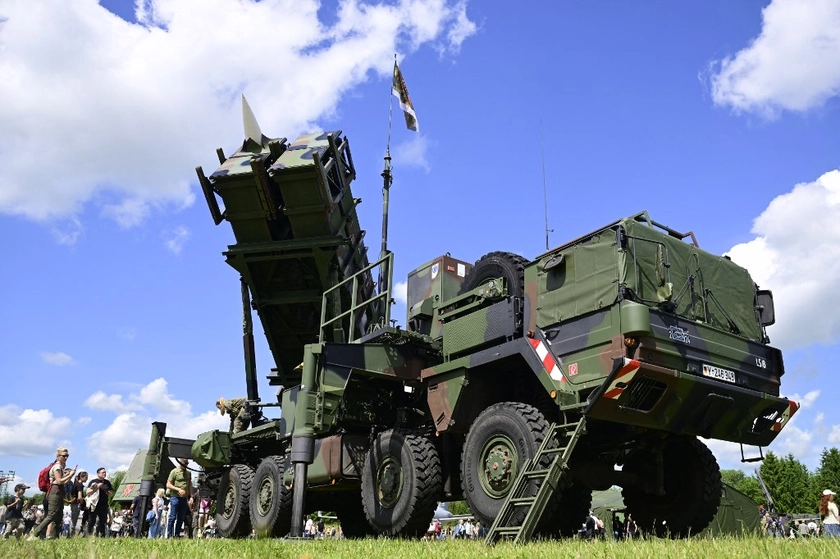
The planned production of new Patriot interceptor missiles for Ukraine will likely begin in Germany or another secure European nation before manufacturing capacities are eventually transferred to Ukrainian territory after the war, Reuters reported.
This assessment from defense industry sources centers on the immediate logistical and security challenges of establishing high-tech missile assembly lines in a live combat zone. It also contrasts with recent political announcements promising a rapid localization of advanced air defense manufacturing directly within Ukraine to address Kyiv’s interceptor shortage.
JOIN US ON TELEGRAM
Follow our coverage of the war on the @Kyivpost_official.
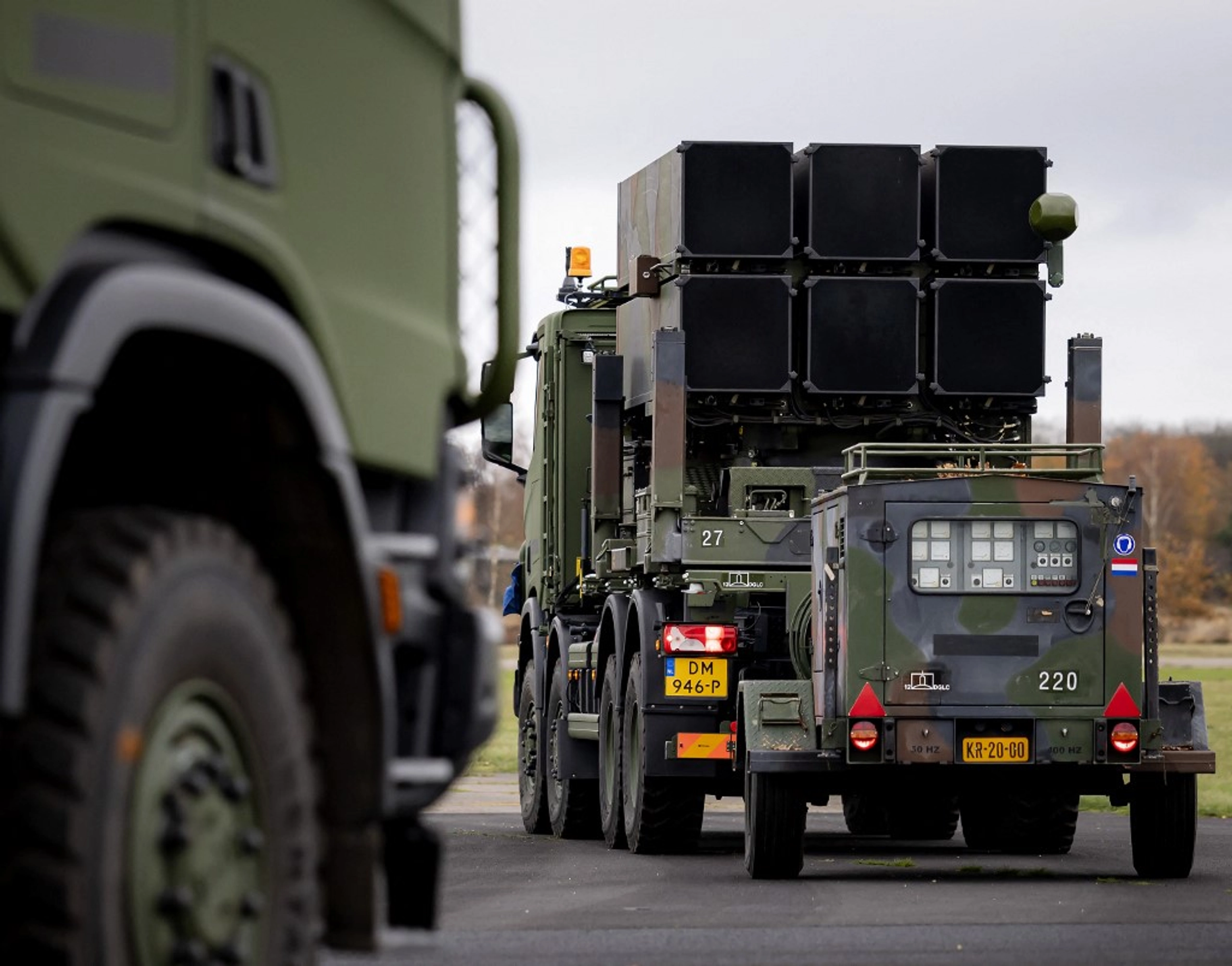
According to industry experts cited in the report, establishing the necessary supply chains and assembly lines for Raytheon’s PAC-2 or Lockheed Martin’s more advanced PAC-3 interceptors requires lead time and a stable security environment.
“In the short term, the impact will be very limited. I would be surprised if this could be realized in less than 12 months. Most likely, the process will take much longer,” said Fabian Hoffmann, a missile technology expert at the Oslo Nuclear Project, regarding the establishment of production lines.
Germany is already positioning itself as a central hub for European Patriot manufacturing. Raytheon signed an agreement in 2024 with European weapons manufacturer MBDA to produce PAC-2 GEM-T interceptors in Germany, though the first deliveries from this joint venture are not expected until early 2027.
Furthermore, Reuters noted that negotiations to establish a dedicated PAC-3 production line in Germany are ongoing but have not yet produced finalized results.
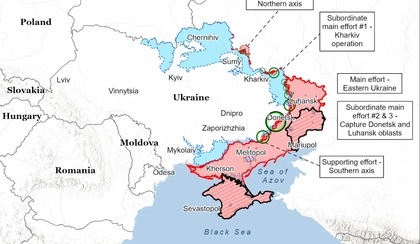
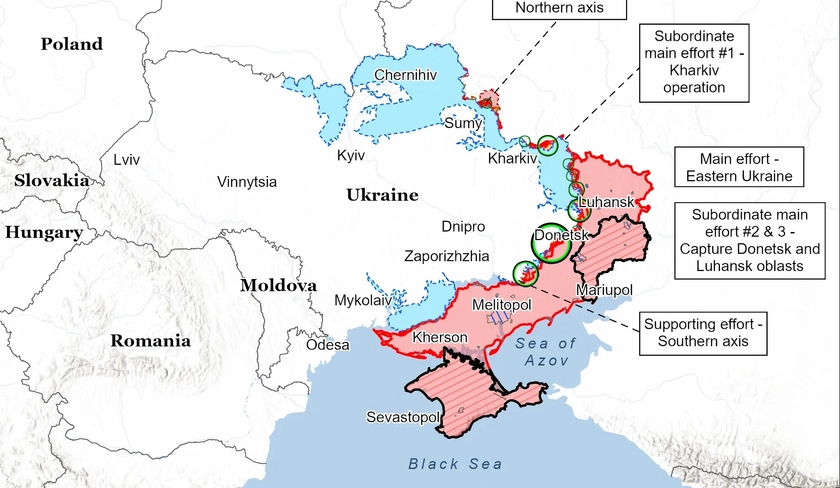
ISW Russian Offensive Campaign Assessment, July 10, 2026
Political pledges and industrial realities
The industrial assessments favoring a Germany-first production strategy follow a wave of political declarations regarding Ukraine’s domestic air defense capabilities.
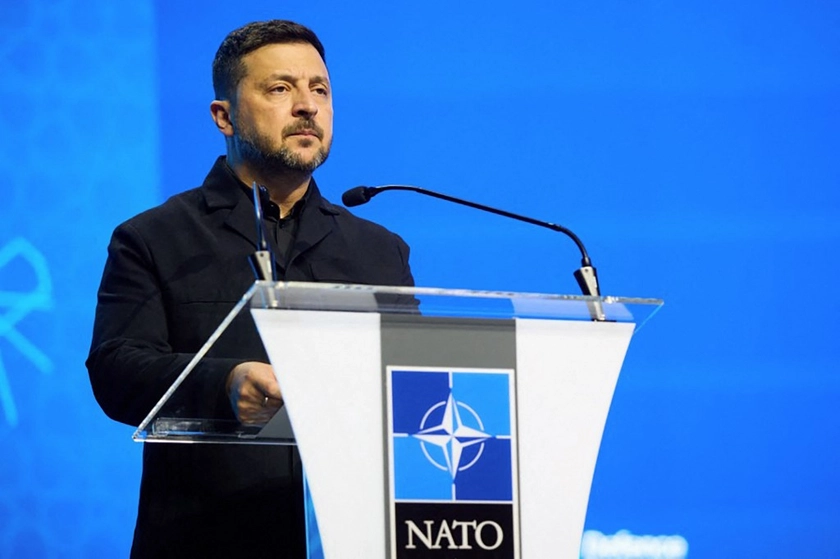
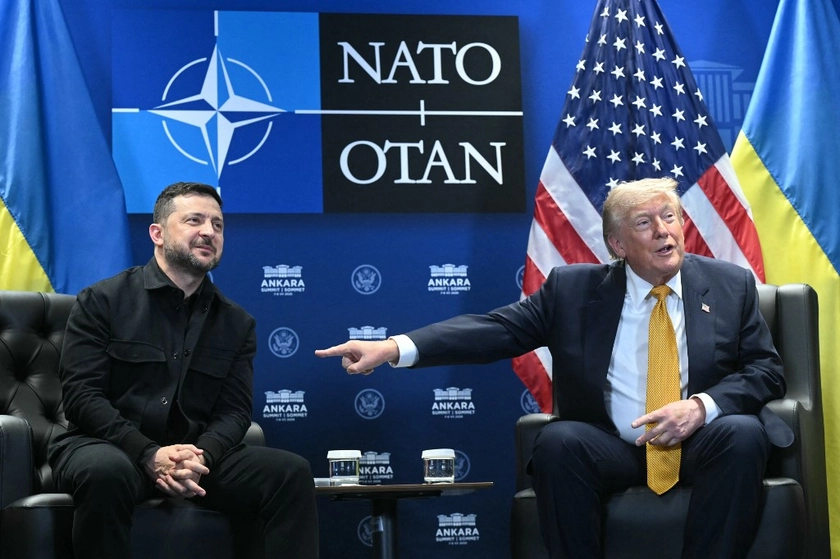
During the recent NATO summit in Ankara, US President Donald Trump announced that Washington plans to grant Ukraine a direct license to manufacture Patriot systems.
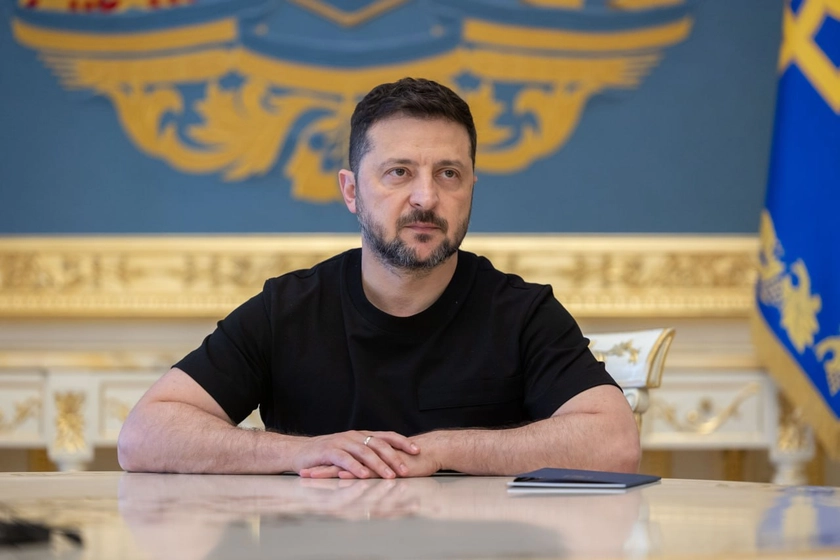
“One of the things we’re going to be talking about is we’re going to give a license to you to make Patriots,” Trump said during a joint news conference with President Volodymyr Zelensky. “This way you can’t complain that we’re not giving them enough. It’s a make-them-yourself.”
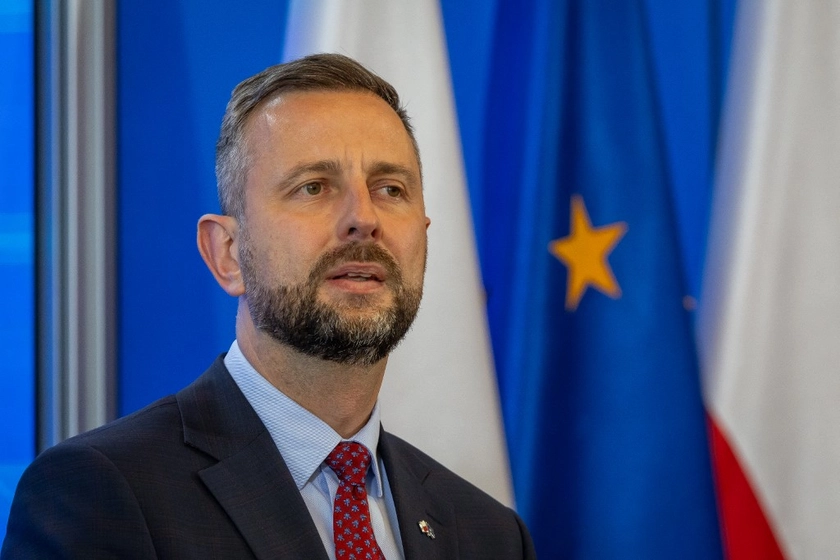
Shortly after, Polish Defense Minister Władysław Kosiniak-Kamysz stated that preparations for the joint production of PAC-3 interceptors could begin in just “weeks,” asserting that Warsaw would play a key role in facilitating the technology transfer to Ukraine.
The mathematics of missile defense
Beyond the timeline and location, experts emphasize that current and projected Patriot production volumes across all allied nations are outmatched by the Russian defense industry’s output.
Analysts estimate that Russia manufactures at least 700 to 800 ballistic missiles annually, including Iskander and hypersonic Kinzhal systems.
Standard air defense doctrine often requires firing up to three Patriot interceptors to guarantee the destruction of a single incoming ballistic target. To neutralize Russia’s annual production, Ukraine and its allies would theoretically need to produce and supply around 2,400 interceptors every year.
“Even with a licensed production facility in Ukraine, achieving such a number will be very, very difficult, if not impossible,” Hoffmann noted.
Vulnerabilities on the ground
The debate over where and when long-term production will commence comes as Ukraine faces a shortage of interceptors capable of downing high-speed ballistic targets. Global stockpiles of PAC-3 missiles – currently produced only in the US and under license in Japan – remain critically amid surging global demand.
Zelensky has repeatedly appealed for accelerated deliveries, noting that recent shipments have contained as few as five missiles per batch.
The reality of the deficit was highlighted during a massive Russian attack on Kyiv on July 6, during which Ukrainian air defenses were unable to intercept any of the 29 incoming Russian ballistic missiles.
You can also highlight the text and press Ctrl + Enter

Trump Says US Will Let Ukraine Build Patriot Systems: ‘We’ll Show Them How to Make Them’