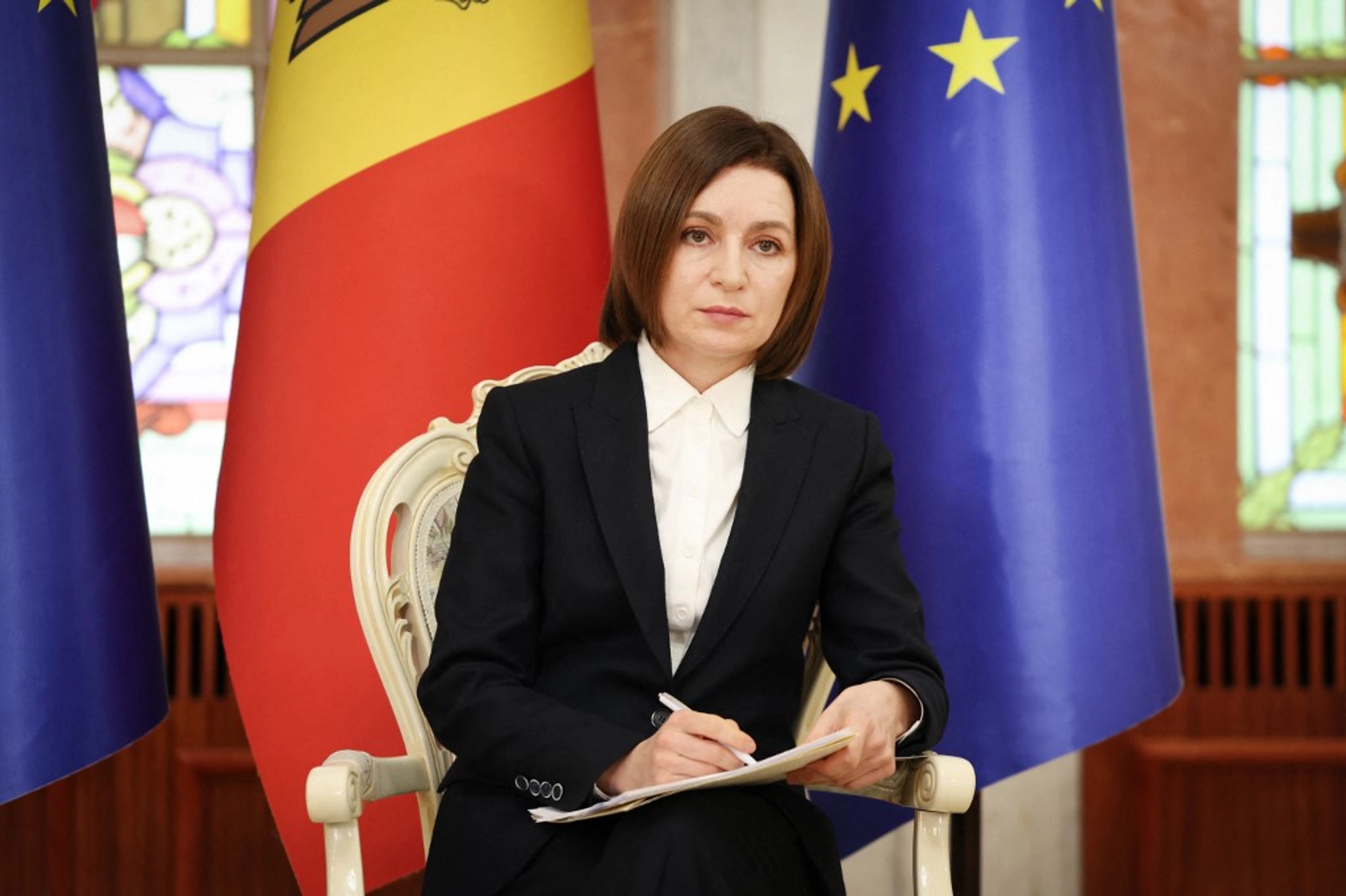
Moldovan President Maia Sandu has nominated businessman Vasile Tofan for the position of prime minister, tasking him with forming a new government and steering the country’s European integration efforts.
Under Moldovan law, Tofan now has 15 days to present a governing program, select his cabinet members, and secure a vote of confidence from the parliament.
JOIN US ON TELEGRAM
Follow our coverage of the war on the @Kyivpost_official.
According to the broadcaster TV8, Tofan acknowledged the weight of the appointment.
“It is a great honor for me to be here. I don’t consider this an achievement; it is a great responsibility, and I am overwhelmed by this responsibility,” Tofan stated. “I will do everything in my power to meet the expectations of Moldovans. I hope to get to work as soon as possible to improve the lives of Moldovans.”
The prime minister-designate outlined three core pillars for the beginning of his mandate: restoring and strengthening public trust, driving economic recovery, and reforming public administration and the business environment.
Emphasizing a collaborative approach, Tofan made clear that his administration’s ultimate goal remains aligned with the current pro-Western trajectory.
“I am a team player and I come to build strong teams together. All honest, courageous, and hardworking people will find an ally in me,” he said. “Everything we do, we do to bring Moldova to the EU as quickly as possible.”
A government in transition
Tofan’s nomination comes just over a week after the abrupt departure of former Prime Minister Alexandru Munteanu, who announced his resignation on Friday, July 3.
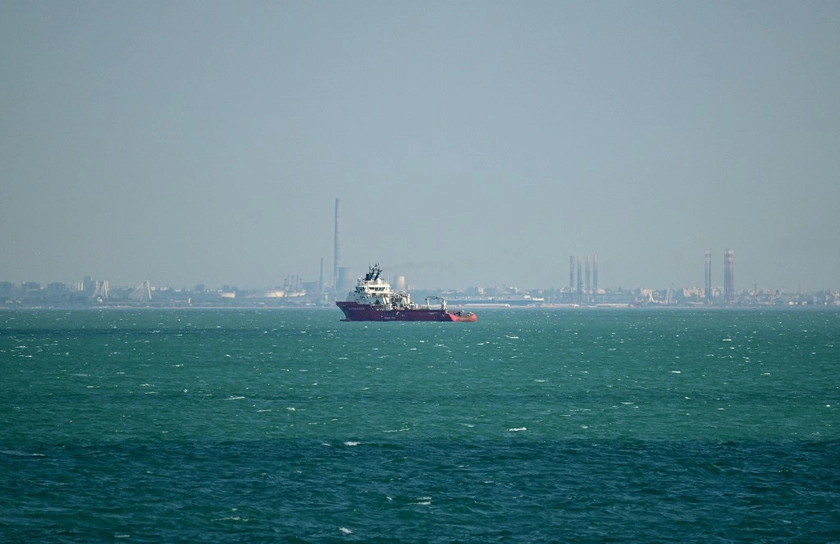
Romania Destroys Five Naval Drones in Black Sea
His departure unfolded against the backdrop of a political crisis involving the Moldavian Air Traffic Services Authority (MoldATSA). Allegations of improper appointments and questionable governance at the state-owned enterprise recently prompted President Sandu to promise a “general cleanup” of state institutions.
Just a day prior to Munteanu’s resignation, the Moldovan parliament established a special investigative committee to scrutinize the management of state-owned companies, review recruitment procedures for senior positions, and investigate cases of individuals holding multiple posts across public institutions.
While it remains unconfirmed whether Munteanu’s resignation was directly tied to the MoldATSA controversy, the timing has drawn intense public scrutiny.
During his brief tenure, Munteanu had heavily prioritized EU accession and regional security, warning against a decree by Russian President Vladimir Putin that simplified Russian citizenship for residents of Moldova’s Transnistria region. Munteanu had condemned the move as an attempt to expand military recruitment, labeling the Russian document “the passport of an aggressor state.”
You can also highlight the text and press Ctrl + Enter