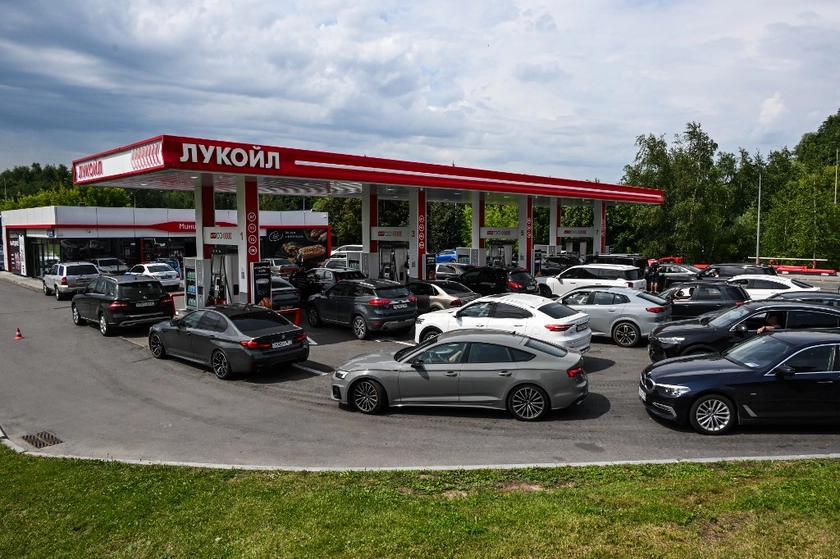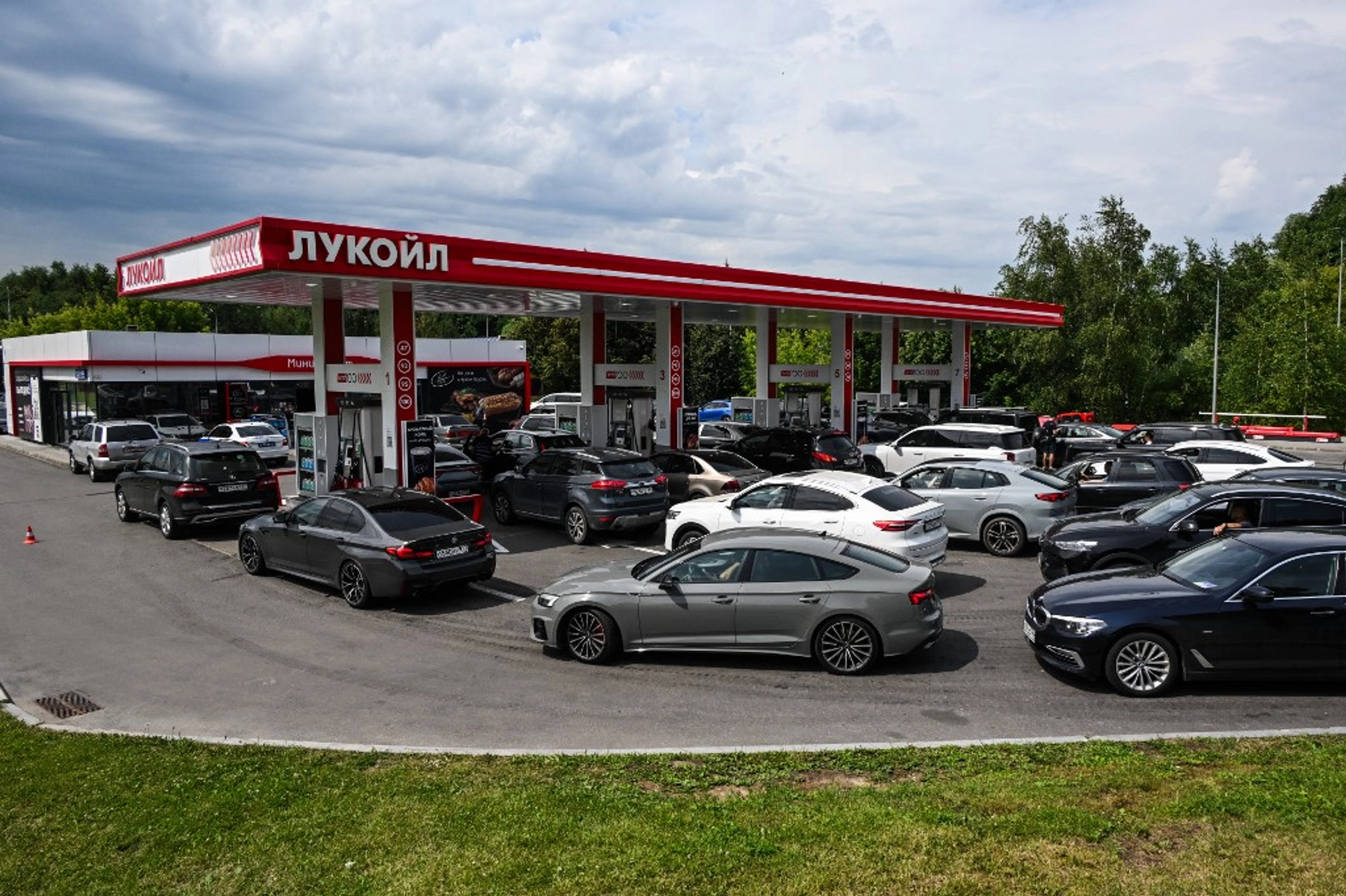
In response to a widespread domestic fuel deficit, local authorities in Russia’s Krasnodar region have directed public school teachers to take shifts at gas stations to monitor queues and manage driver interactions, Real Time reported.
The administration of the Dinsky district issued a directive to local schools instructing teachers to perform these duties during their summer vacations. According to local media reports, teachers are tasked with maintaining order among drivers facing extended wait times, with compensation limited to complimentary tea and coffee.
JOIN US ON TELEGRAM
Follow our coverage of the war on the @Kyivpost_official.
While the district education department stated that the shifts are voluntary and limited to male personnel – asserting that the fuel supply issues directly affect them – complaints published in local community groups indicate that female staff members were also assigned these duties under the threat of dismissal. Personnel noted concerns regarding their physical ability to manage interactions with drivers experiencing delays.
Similar measures have been implemented in the Pskov region, where officials are making use of “volunteers” and members of “people’s squads” to monitor queues and inform drivers of purchase limits at Surgutneftegas and Pskovnefteprodukt filling stations. The recruitment announcements for these positions do not stipulate financial compensation.
Broader rationing systems are being rolled out across the country. In Karelia, Mordovia, and the Oryol, Nizhny Novgorod, Lipetsk, Pskov, Astrakhan, and Kirov regions, authorities have notified residents of potential fuel sales restricted to odd or even days, corresponding to vehicle license plate numbers.
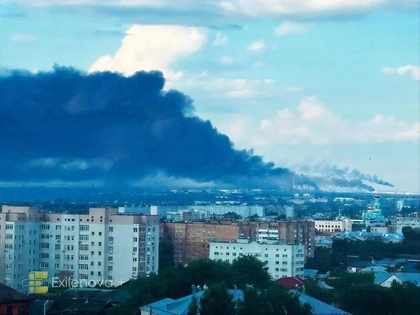
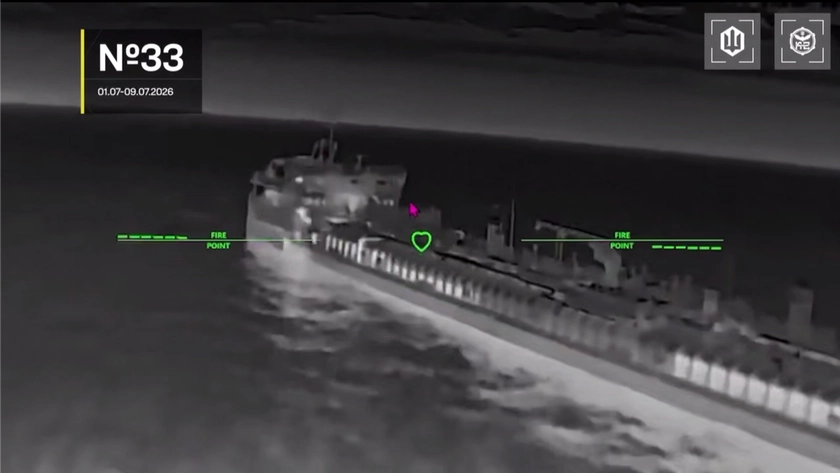
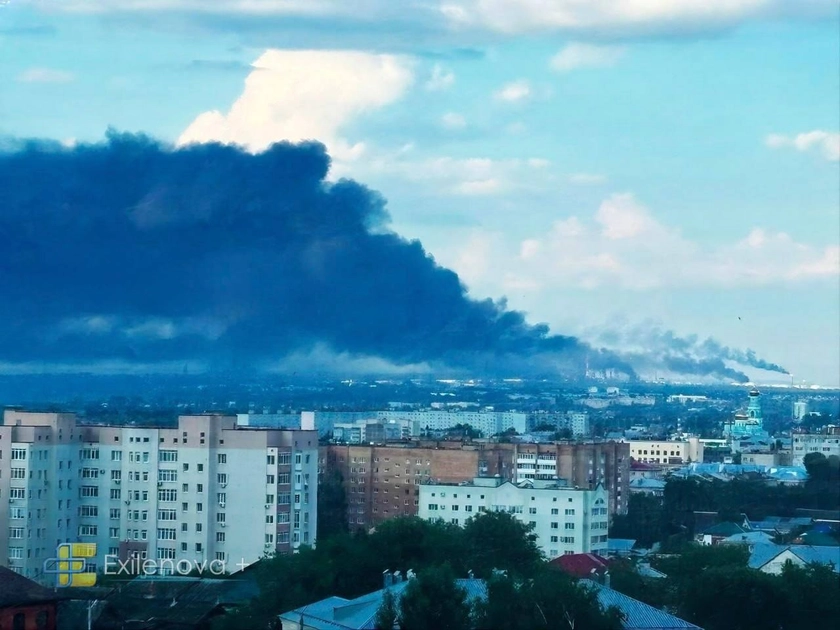
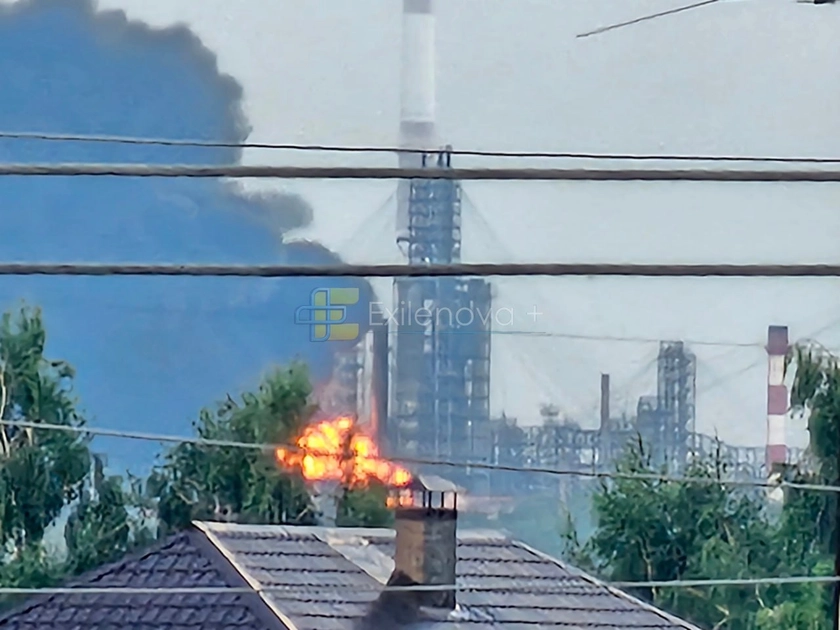
Ukrainian Forces Strike Syzran Oil Refinery, 10 Tankers and 4 Ferries
In the Irkutsk region, the administration has proposed an electronic queuing system for gas stations to mitigate physical lines. In Perm, an application has been filed with the city administration to hold a public rally regarding the fuel shortages.
Ukrainian strikes disable more than 40% of Russian refining capacity
The localized administrative measures correlate with a sustained decrease in Russia’s domestic fuel supply. According to an early July 2026 assessment by the General Staff of the Armed Forces of Ukraine, systematic strikes by the Ukrainian Defense Forces have disabled 42.7% of Russia’s projected oil refining capacity.
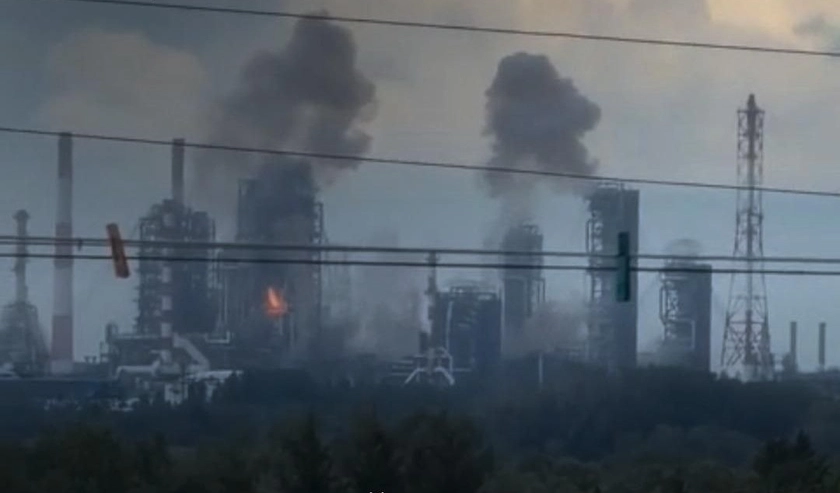
The military assessment noted that over the preceding month that eight Russian oil refineries were struck, resulting in the destruction or critical damage of over 60 storage reservoirs. Total financial losses for the Russian refining industry since August 2025 are estimated at $13.5 billion.
Reuters data indicates that Russia’s overall fuel production fell by 25% year-on-year in June and is operating approximately 20% below domestic demand.
The 43% reduction in refining capacity has resulted in fuel shortages across more than 50 Russian regions. Prior reports indicated that some municipalities have instituted tiered access at gas stations, prioritizing government vehicles, state employees, and emergency services.
In the Irkutsk region, Governor Igor Kobzev previously declared a state of “high alert,” deploying police and National Guard units to filling stations to direct traffic and enforce bans on filling external canisters.
The deficit has also disrupted the freight sector. Logistics companies report challenges in securing diesel fuel along major transport routes, resulting in daily driving distances decreasing from 600-700 kilometers to approximately 500 kilometers due to refueling delays, which has subsequently increased freight rates.
You can also highlight the text and press Ctrl + Enter