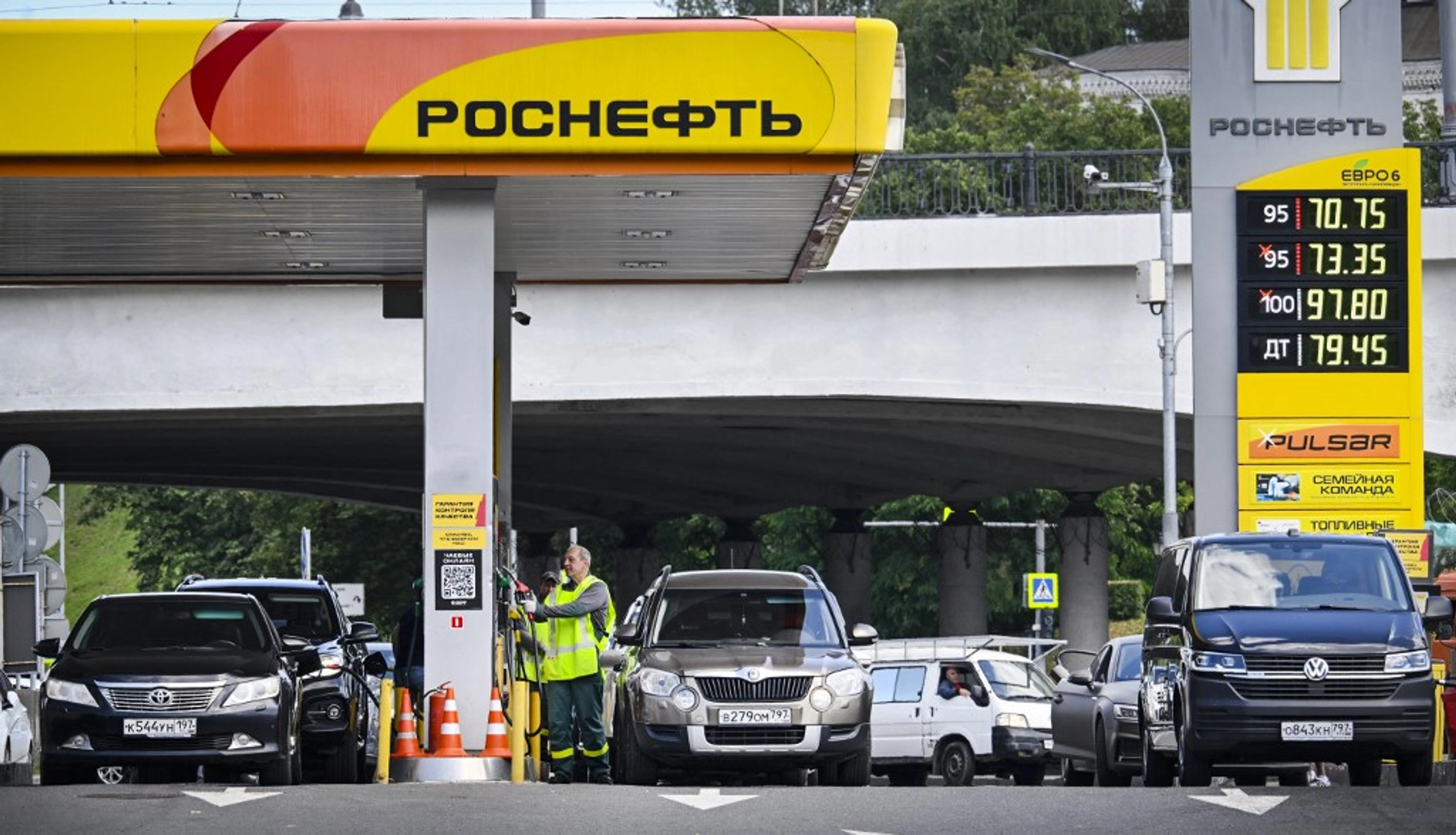
Russian government officials, state employees, and emergency services have begun receiving priority access at several gas stations, while ordinary drivers face extended queues, local journalists reported.
According to The Moscow Times on Thursday, select gas stations have implemented tiered access. In Saratov, at a gas station owned by oil conglomerate Rosneft, gasoline is primarily dispensed to special vehicles, including emergency services, police, and state employees.
JOIN US ON TELEGRAM
Follow our coverage of the war on the @Kyivpost_official.
Journalists observed vehicles belonging to the district administration, public service centers, and Russian Post receiving priority. According to eyewitnesses, one customer gained access to fuel by providing the verbal passcode “Government.”
Similar restrictions are also in place in other regions.
In Volgograd, certain gas stations are exclusively selling fuel to holders of special corporate fuel cards utilized by government authorities, hospitals, and law enforcement agencies.
In Krasnodar, state employees are receiving fuel upon presenting official identification, while a highway station between Chelyabinsk and Yekaterinburg is serving emergency and official vehicles first.
Police deployed to manage queues
The preferential treatment for officials came as Russian authorities attempted to manage the growing fuel crisis.
In the Siberian Irkutsk region, police and Russian National Guard units have been deployed around the clock at filling stations to direct traffic, control queues, and enforce a ban on filling external canisters.
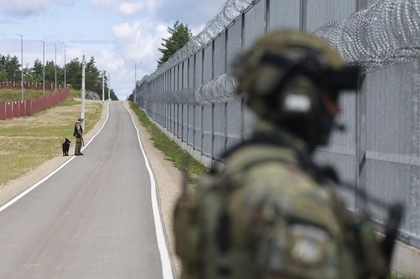
Belarus Warns Citizens Against Travel to Russia
The deployment follows a decision by Irkutsk Governor Igor Kobzev to declare a state of “high alert” due to insufficient fuel shipments.
Following this, Irkutsk Deputy Mayor Sergei Gavrin said police presence is necessary to monitor compliance with restrictions, as drivers attempting to stockpile reserve gasoline were slowing down operations.
Authorities warned that drivers caught stockpiling face fines, and local police reported detaining four individuals accused of reselling gasoline at inflated prices.
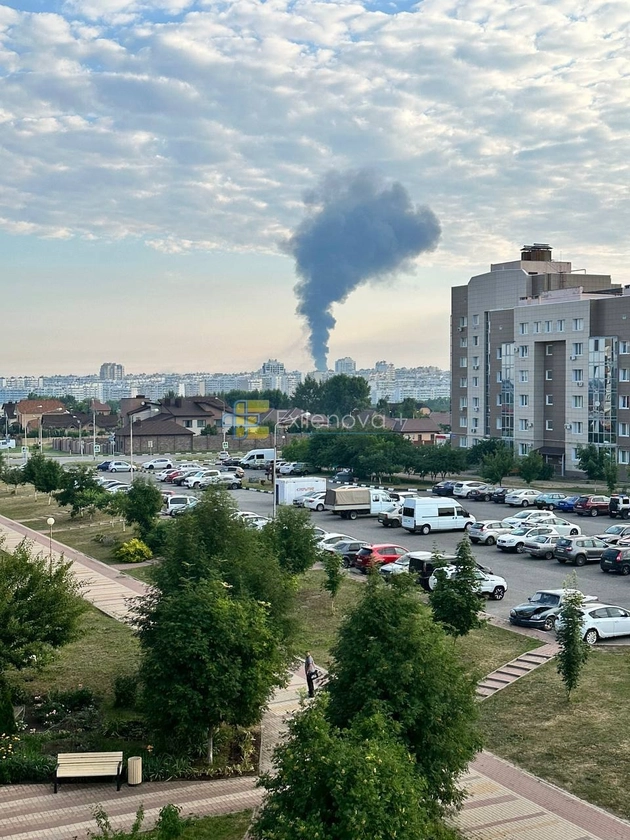
General fuel shortages have affected over 50 Russian regions following a series of Ukrainian drone strikes targeting national refining capacity.
Russian President Vladimir Putin acknowledged the ongoing shortages during a Kremlin meeting, stating that both motorists and businesses continue to face queues and a lack of required fuel grades.
Disruptions to logistics and freight
The fuel deficit has also disrupted cargo transport, particularly along routes to China.
Russian newspaper Kommersant reported that trucking companies are struggling to secure diesel, slowing deliveries and increasing freight rates.
Logistics companies reported that daily driving distances on the China route have decreased from 600-700 kilometers (373-435 miles) to approximately 500 kilometers (311 miles), with delays at gas stations adding up to a full day to delivery times. Transport companies have also lost fuel-card discounts, while independent drivers face individual purchase limits.
Consequently, freight prices have risen.
The logistics company AKFA reported that transportation costs for a truck traveling from Manzhouli, China, to Moscow increased by up to 70,000 rubles ($895) over the past week, with further increases expected as the market enters the peak season for agricultural shipments.
Rise in anti-war sentiment
The domestic disruptions coincide with an observable increase in anti-war sentiment across Russian regions.
A study by the NGO Join Ukraine, which analyzed over 41,000 posts across regional Telegram channels and communities on Russian social media network Vkontakte, found that anti-war sentiment increased by 235% in the week following the June 18 drone strike on the Moscow Oil Refinery.
The study noted growing public criticism of Russian authorities, with users questioning the effectiveness of air defenses and the official accounts of the attacks.
Mentions of mobilization also increased by up to 537%, alongside a 133% rise in posts discussing fuel shortages, purchase limits, and the impact of sanctions on daily life.
You can also highlight the text and press Ctrl + Enter