Ukraine successfully intercepted Russian ballistic missiles during a massive overnight attack, downing five as Moscow launched 145 aerial weapons against cities and critical infrastructure across the country.
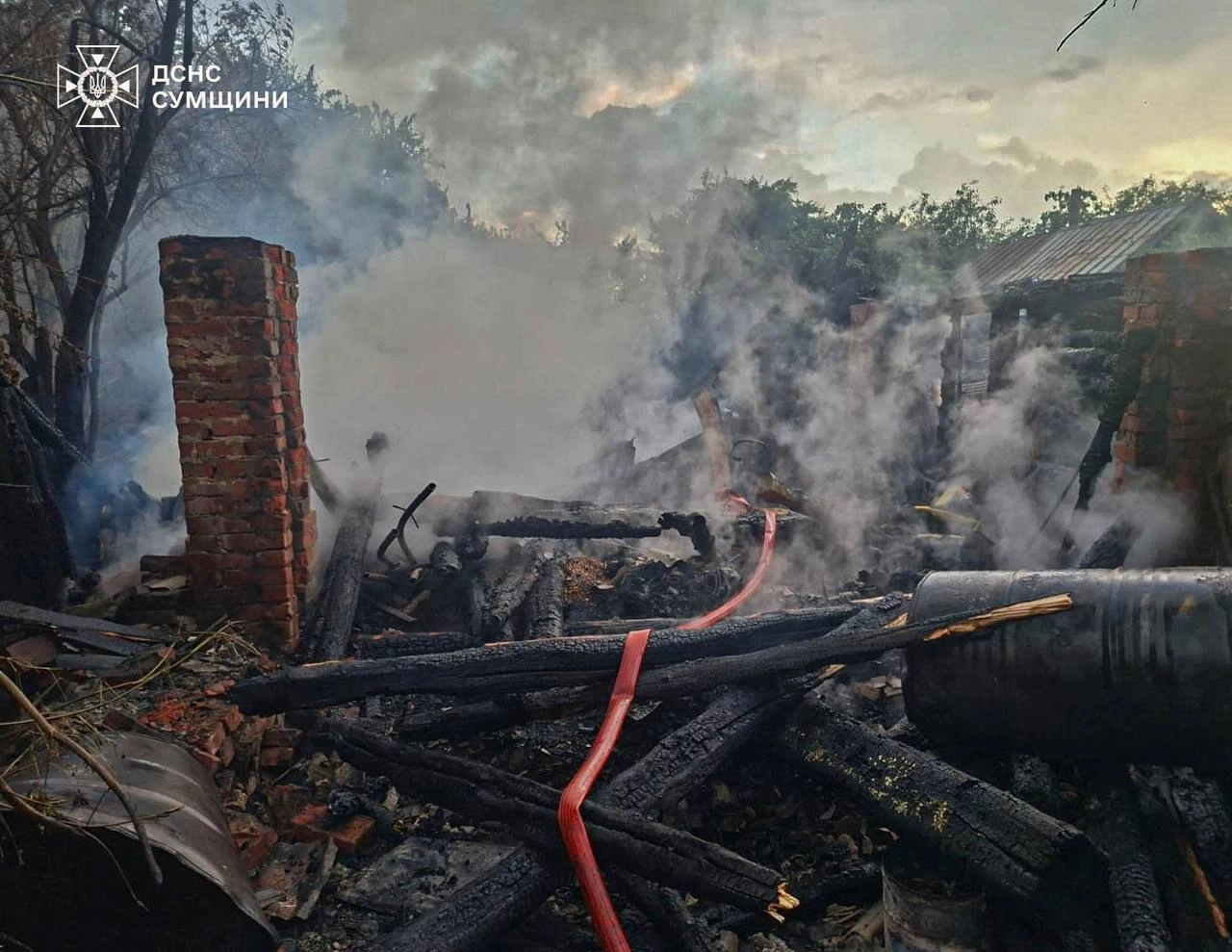
President Volodymyr Zelensky said the attacks injured civilians and damaged homes, schools, businesses, and critical infrastructure across multiple regions.
JOIN US ON TELEGRAM
Follow our coverage of the war on the @Kyivpost_official.
“Seven people were injured in the Kharkiv region, including a child. Ordinary residential buildings, a gas station, and railway infrastructure were damaged,” Zelensky wrote on social media.
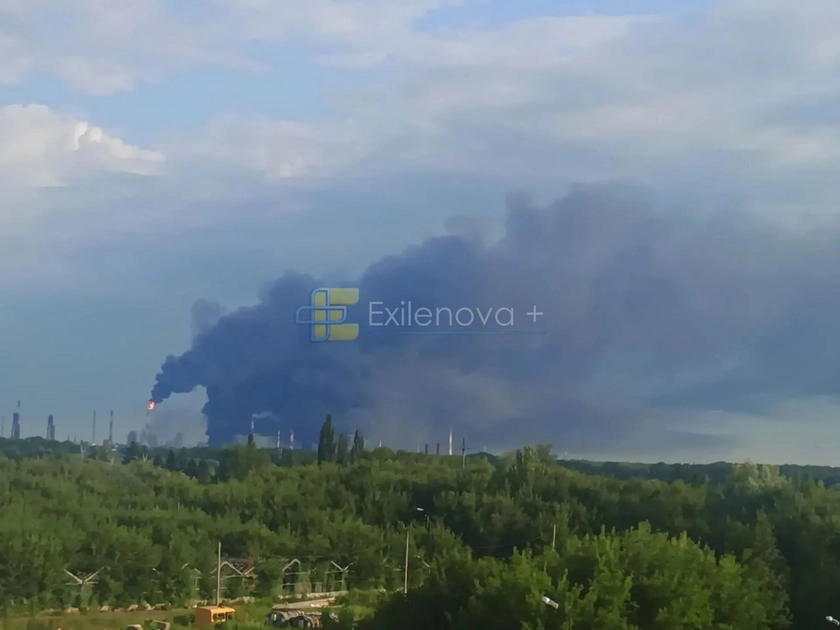
He added that three people were wounded in the Chernihiv region, where Russian strikes damaged a residential building and power infrastructure, leaving thousands of households without electricity. As of now, repair crews are working to restore power.
An apartment building was also damaged in Zaporizhzhia.
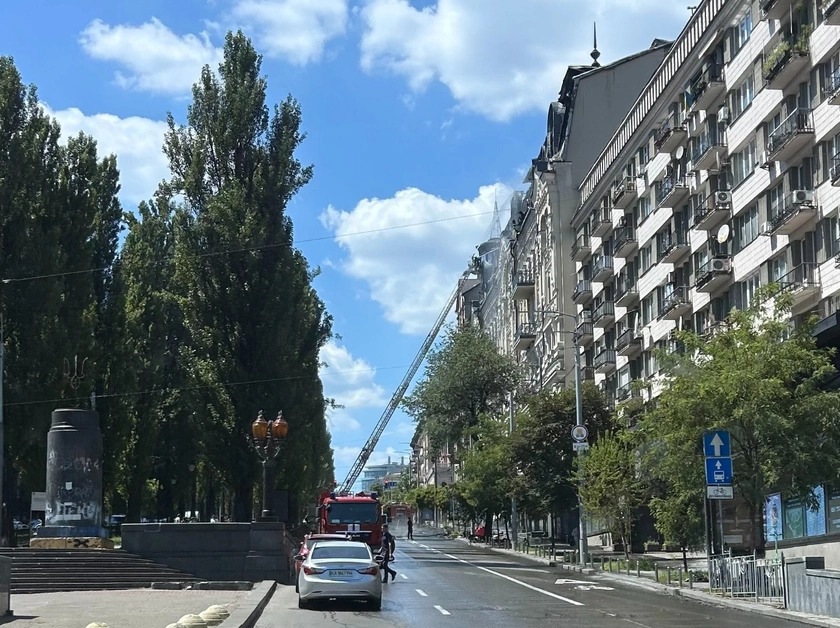
“The Russians struck Kyiv with ballistic missiles. Sixteen sites in the capital were damaged, including an ordinary school and a business,” Zelensky said.
He added that Russia also targeted critical infrastructure in the Dnipro, Donetsk, Zhytomyr, and Odesa regions.
Calling for stronger international action, Zelensky urged the EU to adopt its 21st sanctions package without delay.
“There should be more pressure on Russia. We cannot waste time, and the 21st EU sanctions package should be adopted this week,” he said.
Closing Ukraine’s Skies Means Closing Europe’s: Why the Anti-Ballistic Coalition Matters Now
According to the president, sanctions must target all components Russia uses to sustain its war effort, including chips, microelectronics, and other dual-use goods.
Zelensky also highlighted Ukraine’s cooperation with European partners on developing anti-ballistic missile systems.
“Our agreements with partners on European anti-ballistic missiles are something that can really add security to our people,” he said, adding that Ukraine and its allies have the combined industrial capacity to build reliable protection for both Ukraine and Europe.
According to Ukraine’s Air Force, Russia launched the attack from 6:00 p.m. on Monday, using eight Iskander-M/S-400 ballistic missiles, two Kh-59/69 guided air-launched missiles, and 135 Shahed attack drones, along with Gerbera, Italmas, Banderol loitering munitions, and Parody decoy drones.
The attack was repelled by fighter aviation, air-defense missile units, electronic warfare forces, unmanned systems, and mobile fire groups.
“As of 9:00 a.m., air defenses had shot down or suppressed five Iskander-M/S-400 ballistic missiles, two Kh-59/69 guided missiles, and 108 enemy [unmanned aerial vehicles] UAVs,” the air force said.
One ballistic missile and 25 attack drones reached 17 locations, while falling debris was recorded at 10 sites. The fate of two additional ballistic missiles is still being assessed.
Last week, Zelensky said Russia’s only remaining military advantage is its ability to launch ballistic missile attacks against Ukrainian civilians, arguing that Ukraine has become stronger both on the battlefield and in the air.
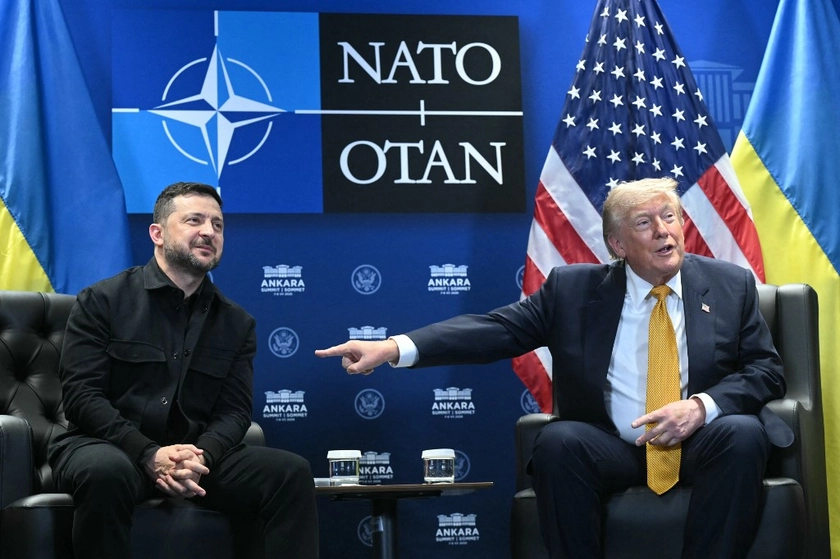
Speaking after the NATO summit, he said international leaders, including US President Donald Trump, had acknowledged Ukraine’s growing capabilities.
“There are ballistic missiles, there are truly tragic and horrific strikes against our civilian population, but that is the only advantage [Russia] has left. There is nothing else,” Zelensky said.
The president also announced plans to develop Freya, a Ukrainian-European anti-ballistic air defense system designed to provide a cheaper and more scalable alternative to the US-made Patriot.
Zelensky stressed that Patriot systems remain Ukraine’s top air-defense priority, while expressing hope that Kyiv will also receive next-generation French SAMP/T NG systems.
He added that Ukraine’s strikes on Russian energy infrastructure have significantly weakened Moscow’s fuel sector, arguing that Russia has effectively shifted from an energy exporter to an importer because of the war.
You can also highlight the text and press Ctrl + Enter

Trump Says US Will Let Ukraine Build Patriot Systems: ‘We’ll Show Them How to Make Them’
OPINION: The Bill for Crimea Comes Due for Putin
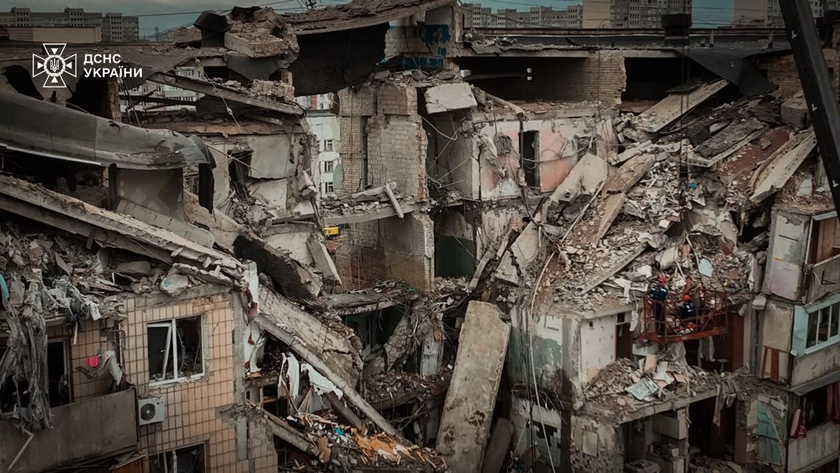
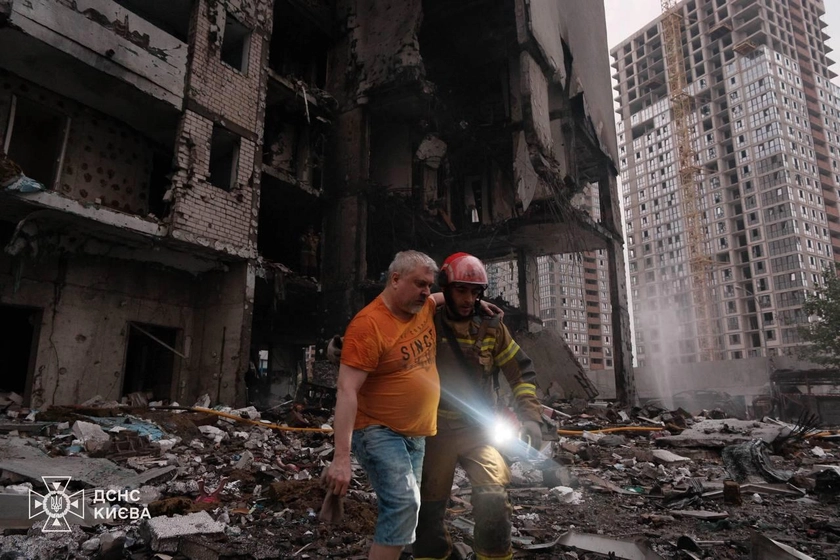
Ballistic Missiles Hit Kyiv, Region: 27 Dead, Dozens Injured as Rescuers Search Rubble