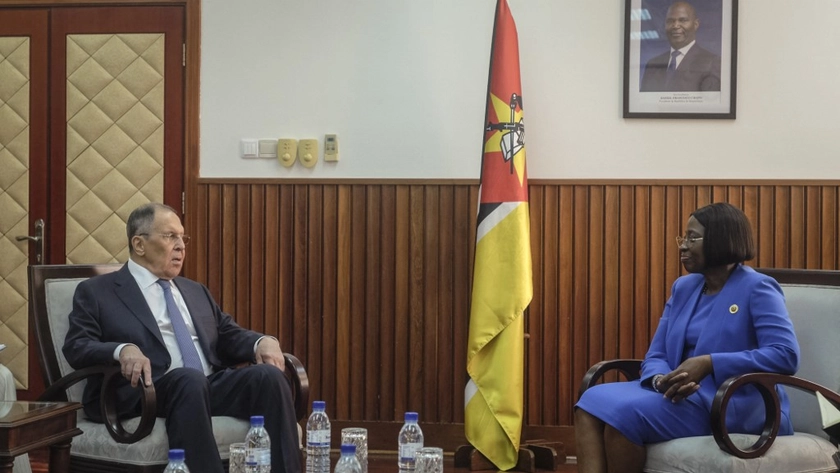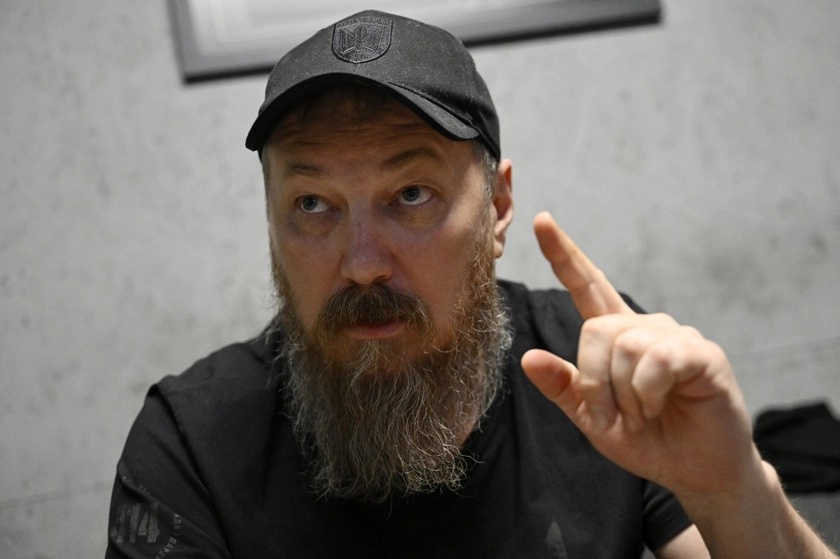
Jędrzej Czerep, head of the Middle East and Africa program at the Polish Institute of International Affairs, told TVP World that Moscow’s military and commercial footprint was continuing to expand despite the demands of its war in Ukraine.
“It is a long-term project,” Czerep said.
JOIN US ON TELEGRAM
Follow our coverage of the war on the @Kyivpost_official.
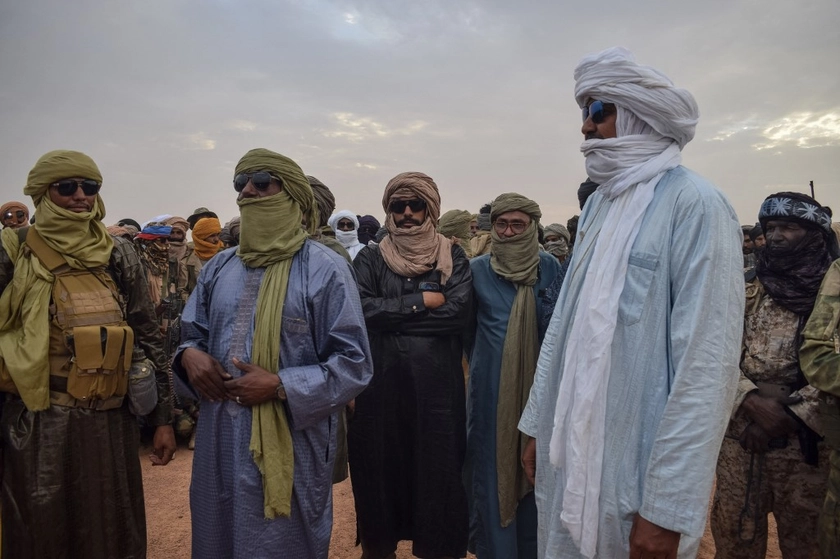
His comments came after Russian Africa Corps fighters and Malian troops regained control of the northern town of Anéfis earlier this month, a symbolic victory after months of setbacks against Tuareg separatists and jihadist groups.
While the gains do not significantly alter the military balance in northern Mali, Czerep said they underscored Moscow’s determination to maintain its foothold in the region.
“It seemed that the town was about to fall,” he said. “This is a symbolic victory that says it is not over yet.”
‘Security package’ for juntas
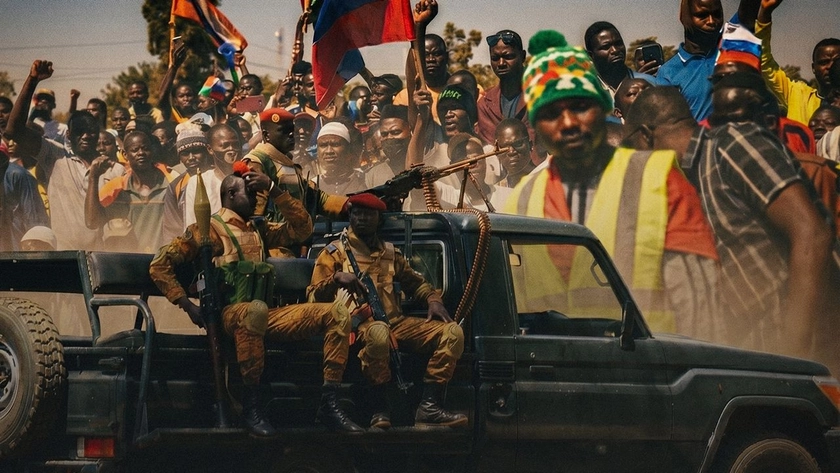
According to Czerep, Russia is steadily expanding its footprint beyond Mali, Burkina Faso and Niger.
“It [Russia] sells a security package for dictators,” he said, referring to military rulers seeking protection while presenting themselves as anti-Western or anti-colonial leaders.
Russian personnel have also appeared in Equatorial Guinea and Madagascar, while military cooperation has been reported in the Republic of the Congo and possibly Togo, Czerep said.
Why Russian Tankers Are Burning in the Sea of Azov – and What Ukraine Is Trying to Achieve
“It is surprising because we might have believed that, with troubles on the Ukrainian front, Russians would be less tempted to expand their footprint in distant locations.”
Instead, Czerep said Africa has become a growing priority for the Kremlin since its full-scale invasion of Ukraine left it increasingly isolated from the West.
Wagner’s legacy lives on
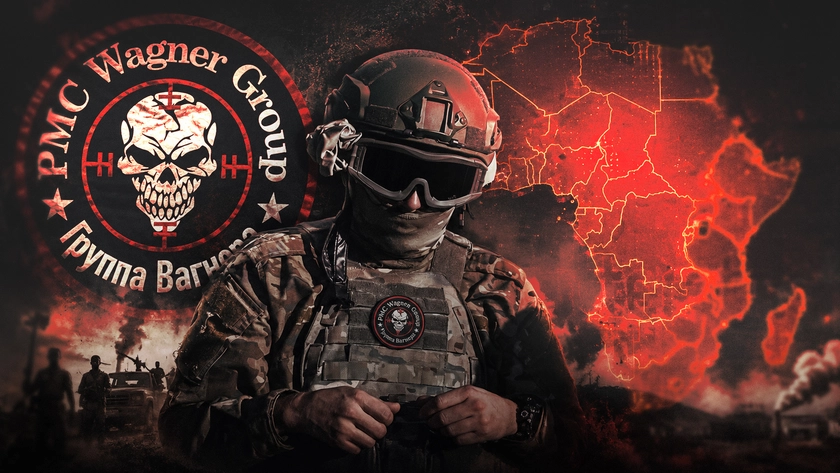
Although the Kremlin replaced the paramilitary Wagner Group with the state-controlled Africa Corps following the death of its leader Yevgeny Prigozhin in 2023, Czerep said the mercenary force’s commercial empire remains largely intact in the Central African Republic.
Those businesses stretch far beyond security services, he said, including timber, beer, bottled water and coffee. They have also diversified into illicit activities.
The Wall Street Journal reported on Saturday that Wagner-linked networks in the Central African Republic had built a lucrative tramadol trafficking operation alongside their gold-smuggling business.
“They continue to diversify their economic portfolio and went into the illicit sector as well,” Czerep said.
‘More mercenaries than tricked laborers’
Russia’s African strategy also feeds directly into its war against Ukraine. Czerep estimated that between 1,500 and 5,000 Africans are fighting alongside Russian forces.
Some, he said, are lured to Russia with promises of civilian jobs before ending up on the battlefield. Others knowingly sign military contracts advertised across the continent.
While captured recruits often say they were deceived, Czerep believes many enlisted voluntarily.
“My intuition is that there are actually more mercenaries than tricked laborers,” he said.
You can also highlight the text and press Ctrl + Enter

OPINION: The Bill for Crimea Comes Due for Putin
‘Shadow Fleet Is Leaving the Chat’: Ukraine Hits 10 Russian Fuel Tankers in One Day