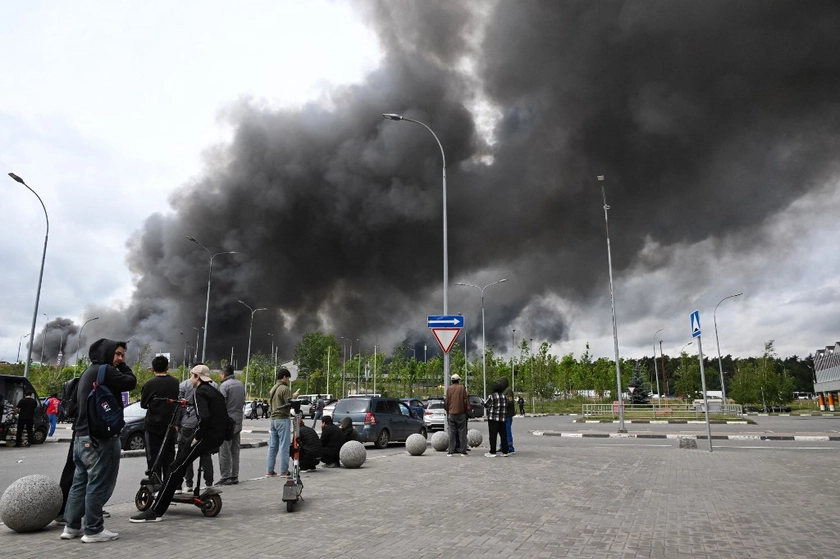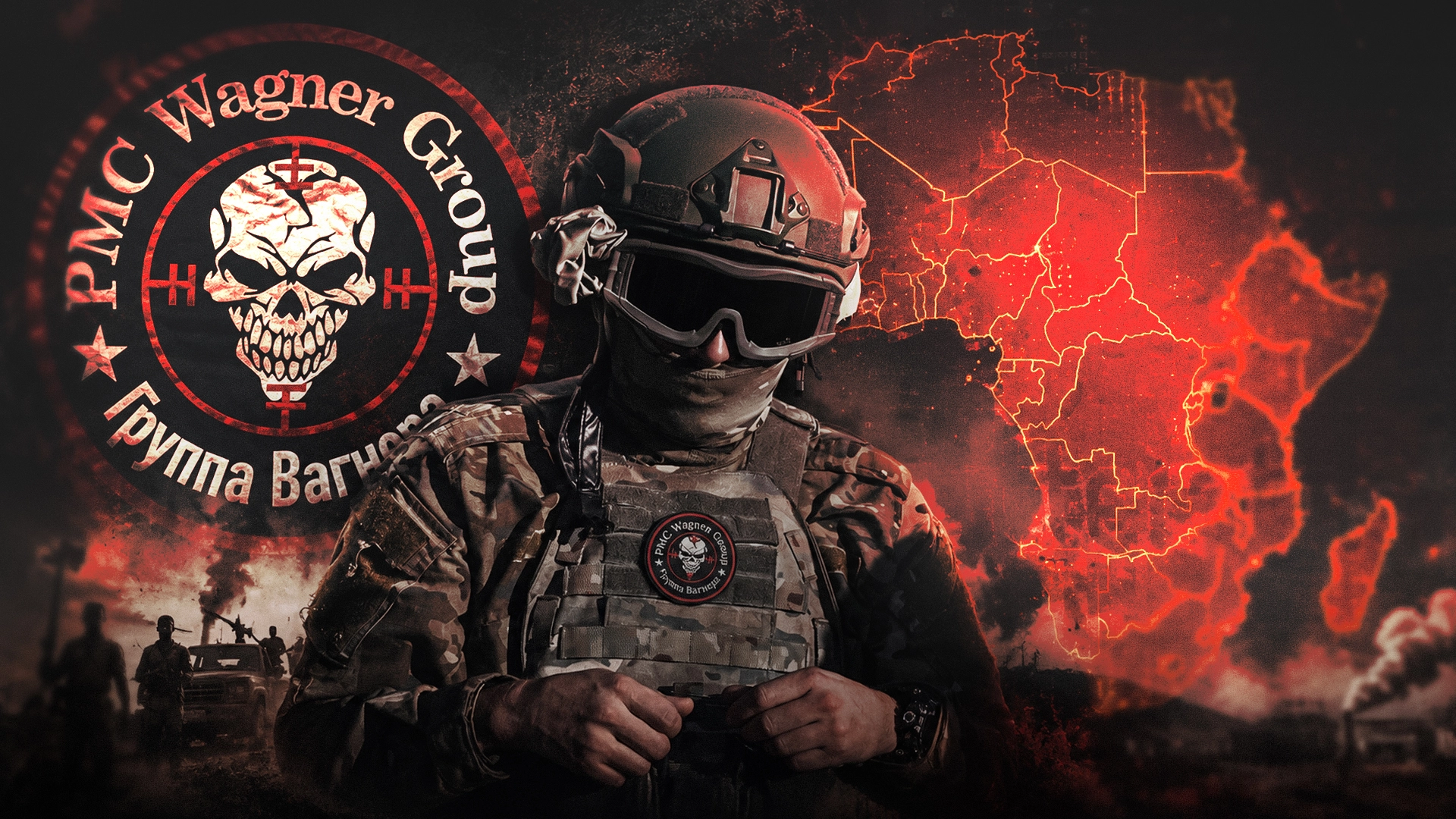
Three years after the failed mutiny that led to the collapse of the Wagner Group, Moscow has largely maintained its foothold across the continent by replacing the mercenary network with the Russian Defense Ministry-backed Africa Corps and expanding its influence operations, according to a senior Ukrainian intelligence official.
In an exclusive interview with Kyiv Post, Andrii Cherniak, a representative of Ukraine’s Main Intelligence Directorate (HUR), said Moscow continues to view Africa as a source of political leverage, strategic resources, sanctions-evasion opportunities and recruits for its war effort.
JOIN US ON TELEGRAM
Follow our coverage of the war on the @Kyivpost_official.
Kyiv Post: What changes has Russia’s influence in Africa undergone over the past three years?
Andrii Cherniak: The African area of foreign policy is of significant interest to Russia.
The criminal activities in Africa of the so-called Wagner PMC before its collapse following catastrophic losses in the war against Ukraine and the failed mutiny in Russia are a well-known fact. However, this does not mean that the Kremlin’s role was somehow minimal, Wagner operatives operated in Africa with the blessing of the Russian state and served Moscow’s criminal interests there.
The Wagner Group may have enjoyed a certain degree of autonomy, largely because of Prigozhin’s personal relationship with the Russian dictator, who was famously known as “Putin’s chef.” However, this so-called private army primarily carried out tasks assigned by Russian state structures, first and foremost by the special services.
Russia Says It Is Ready for Dialogue With the EU
“It is too early to talk about Russia losing its positions in Africa.”
The remnants of Wagner were reorganized into the Africa Corps after the group’s collapse. In essence, it is the same “private military company,” only depersonalized, without any prominent leaders. And this appears to be negatively affecting its combat effectiveness, as we have all seen how rebels in Mali have repeatedly inflicted serious losses on Russian mercenaries from this corps.
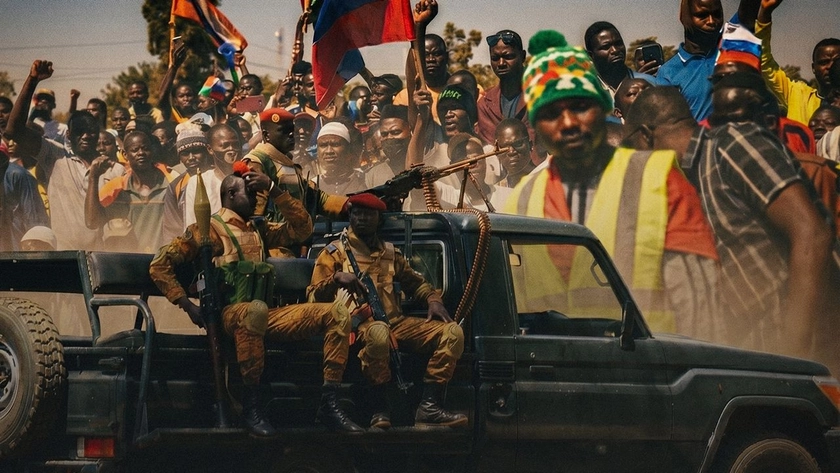
However, despite these truly embarrassing defeats, it is too early to talk about Russia losing its positions in Africa. The Africa Corps consists of between 8,000 and 10,000 militants. They continue to support military juntas and various armed groups in countries across the continent, including Mali, Niger and Burkina Faso.
In addition to the military component, Russia continues to expand its network of hybrid influence in Africa through so-called “Russian Houses,” through the creation of proxy organizations that present themselves as independent but are in fact controlled by the Kremlin, and through information operations that provoke or intensify conflicts in African countries. This subversive work is carried out by Russian intelligence services, including the GRU [general staff’s military intelligence service] and the SVR [foreign intelligence service ].
What objectives are the Russians pursuing in Africa today?
Africa consists of more than 50 member states of the United Nations. For Russia, it is a large “bank of votes” that can be used to create a so-called opposition bloc on the international stage, to create the illusion that Russia remains an influential global power, and to promote the narrative of a so-called “multipolar world.”
Russia also gains access to valuable natural resources: gold, diamonds, uranium and oil. In particular, the Kremlin is looking greedily at the resource-rich Sahel region.
When Russians gain access to African deposits of valuable materials, however, they behave like colonial exploiters in the worst sense of the term. This often ends in environmental disaster. For example, in Sudan, Russians contaminated water resources with mercury during predatory gold mining operations.
Of course, the Kremlin also uses Africa for smuggling and seeks ways to circumvent sanctions there in order to sustain its economy and obtain technologies for weapons production.
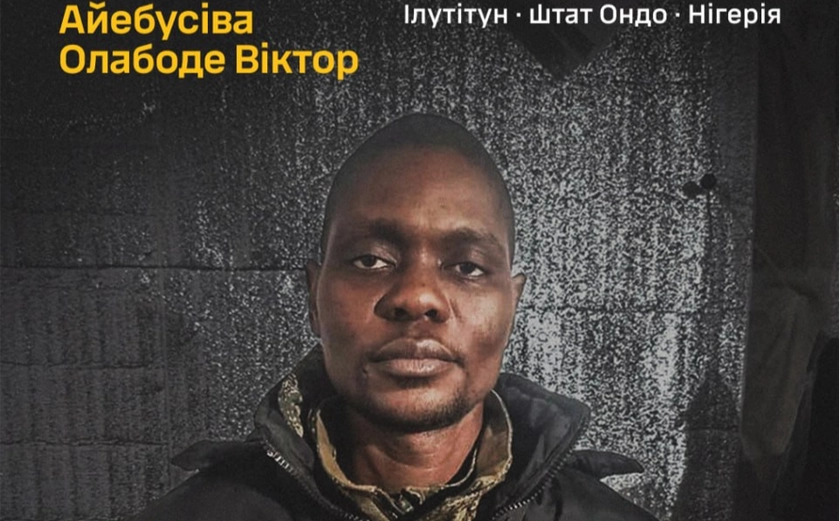
In addition, Russia views Africa as a source of the cheapest mercenaries for its criminal war against Ukraine. In many cases, this is done through deception — people are promised jobs, but after arriving in Russia they are sent into meat-grinder assaults.
HUR has reported many illustrative cases of African citizens who were killed in the war.
What methods do Russian intelligence services use to advance the Kremlin’s interests in Africa?
Today, Africa has become a vast testing ground for Russia’s use of cognitive weapons.
The rapid development of communications, low levels of media literacy, and expanding access to the internet and television across Africa allow Russians to spread disinformation among African populations on a massive scale, including content generated with the help of artificial intelligence.
These subversive information campaigns provoke violence. One of the clearest examples of the consequences of Russian intelligence activities in Africa was the Kremlin’s operation against the United Nations MONUSCO mission in the Democratic Republic of the Congo. The spread of fake narratives and conspiracy theories about peacekeepers triggered large-scale unrest in which five peacekeepers and more than 30 protesters were killed.
The number of Russian information operations in African countries has increased significantly. In at least 22 countries, Russian intelligence services operate a fake-news conveyor belt that reaches millions of people, provoking violence, supporting and legitimizing military coups, and intimidating representatives of civil society who resist Russian interference.
To conceal their criminal intentions in Africa, Russians also create imitation pan-African entities that present themselves as “independent civil society organizations.” These include the Partenariat Alternatif Russie-Afrique pour le Développement Économique (PARADE) and the Groupe Panafricain pour le Commerce et l’Investissement (GPCI).
Thus, in the process of expanding the Kremlin’s influence in Africa, the key role is played by Russian intelligence services operating under the cover of Russian embassies and diplomatic missions, as well as organizations under their control, including Rossotrudnichestvo, the network of so-called Russian Houses, the aforementioned Africa Corps, and its affiliated media outlet, African Initiative.
You can also highlight the text and press Ctrl + Enter