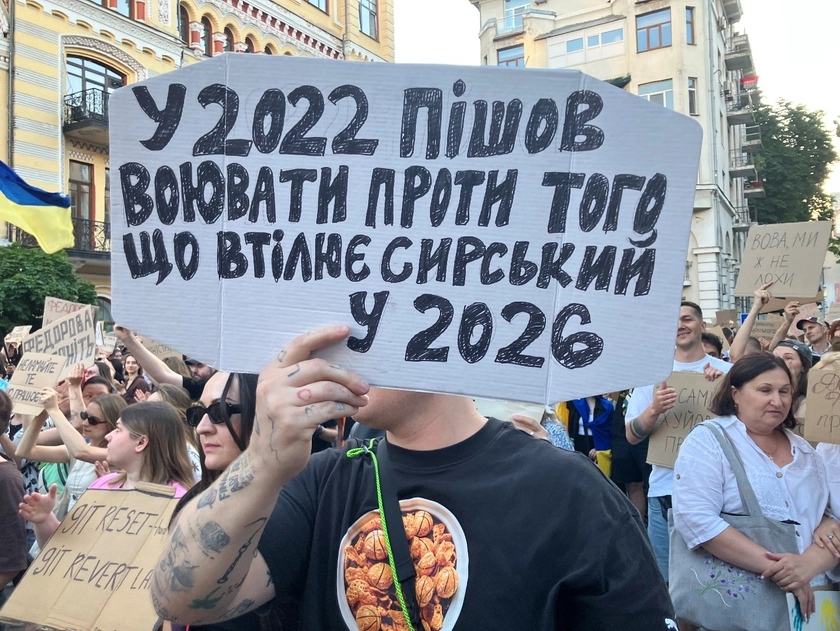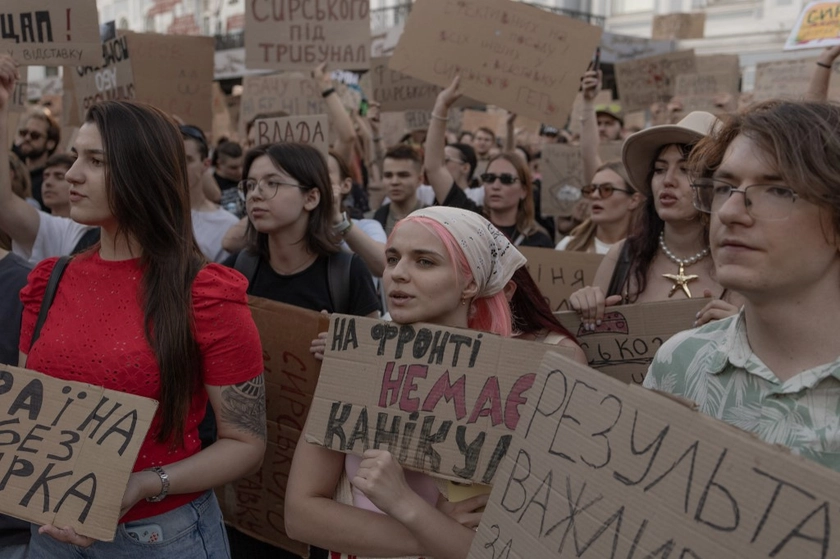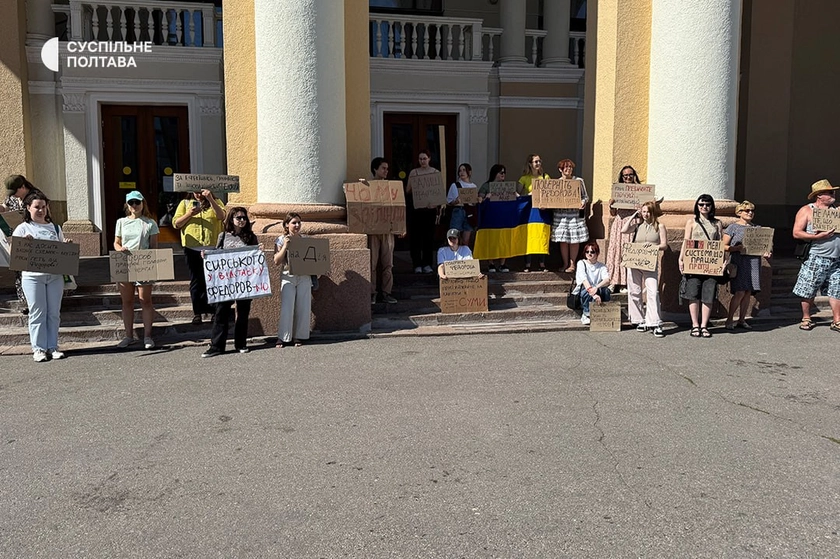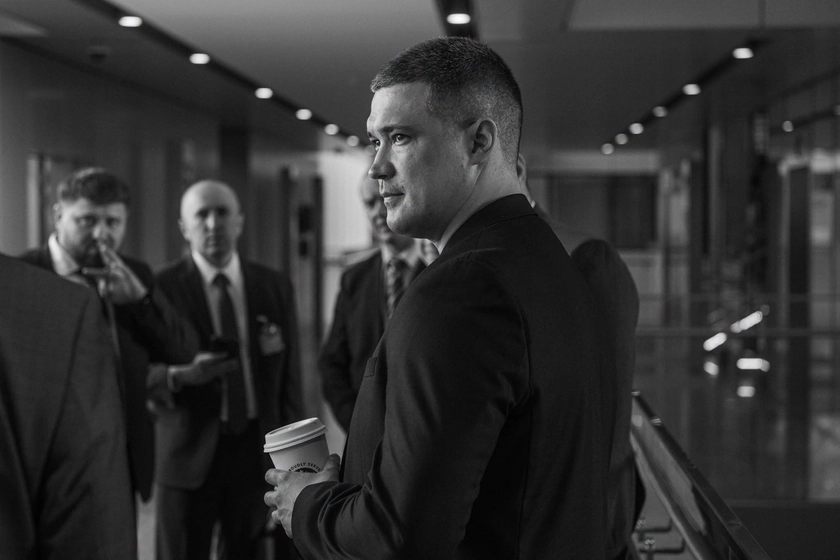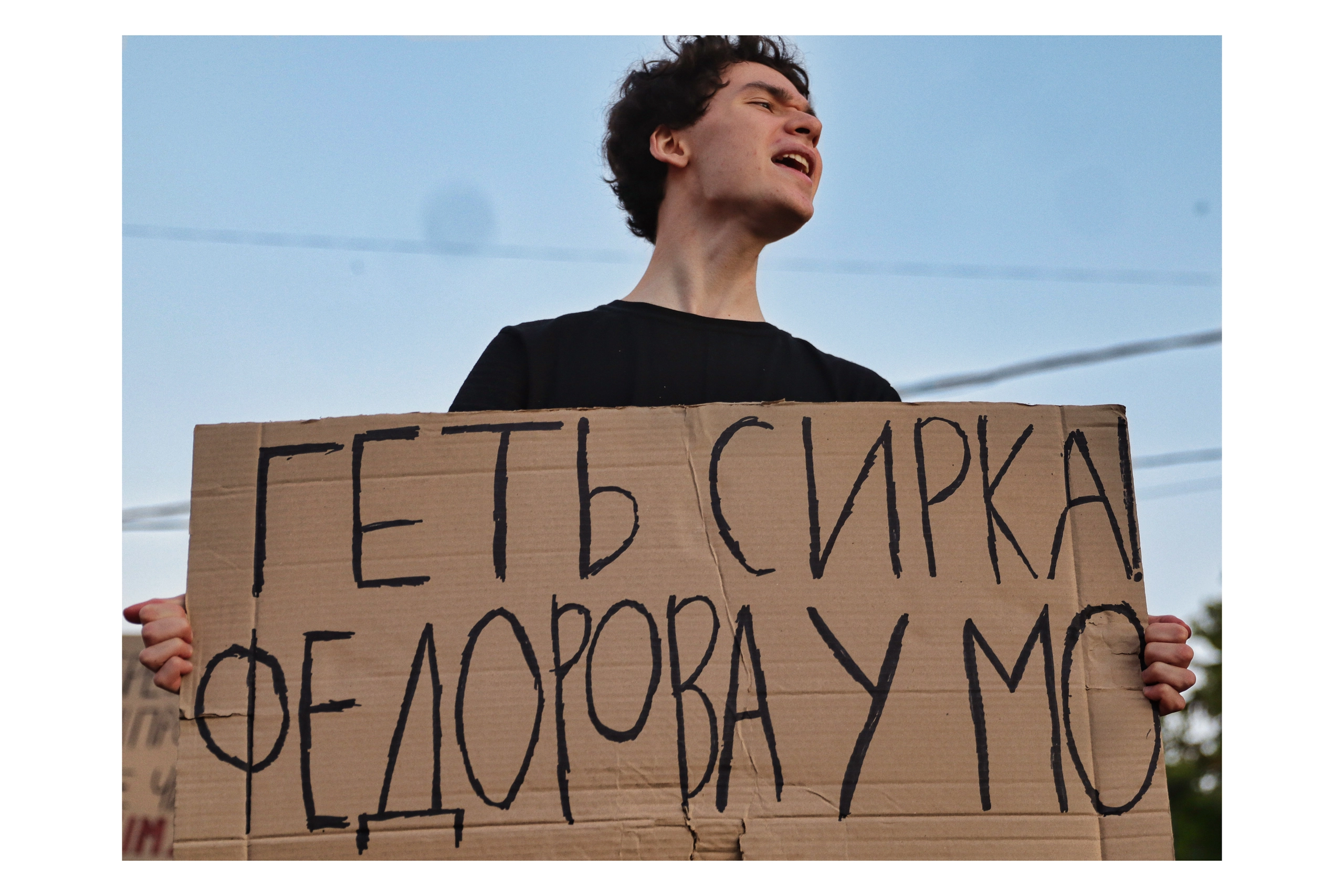
Nationwide protests had continued into their fourth day on Sunday, July 19, following the ouster of Defense Minister Mykhailo Fedorov earlier in the week.
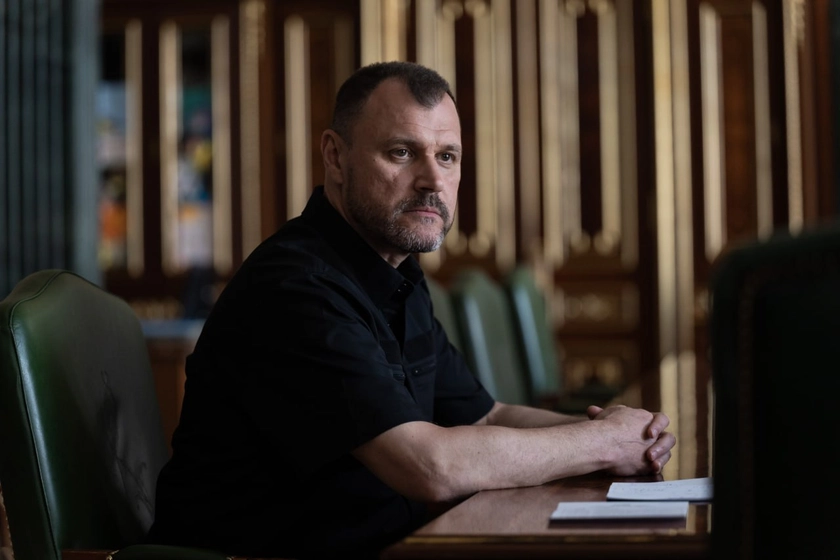
Fedorov, after his resignation, accused Commander-in-Chief Oleksandr Syrsky of sowing division and hindering reforms, confirming the disputes were the root causes of his removal.
JOIN US ON TELEGRAM
Follow our coverage of the war on the @Kyivpost_official.
Ukrainians have taken to the streets requesting Fedorov’s reinstatement, with reports suggesting that Fedorov had turned down other positions offered by President Volodymyr Zelensky as of Monday afternoon.
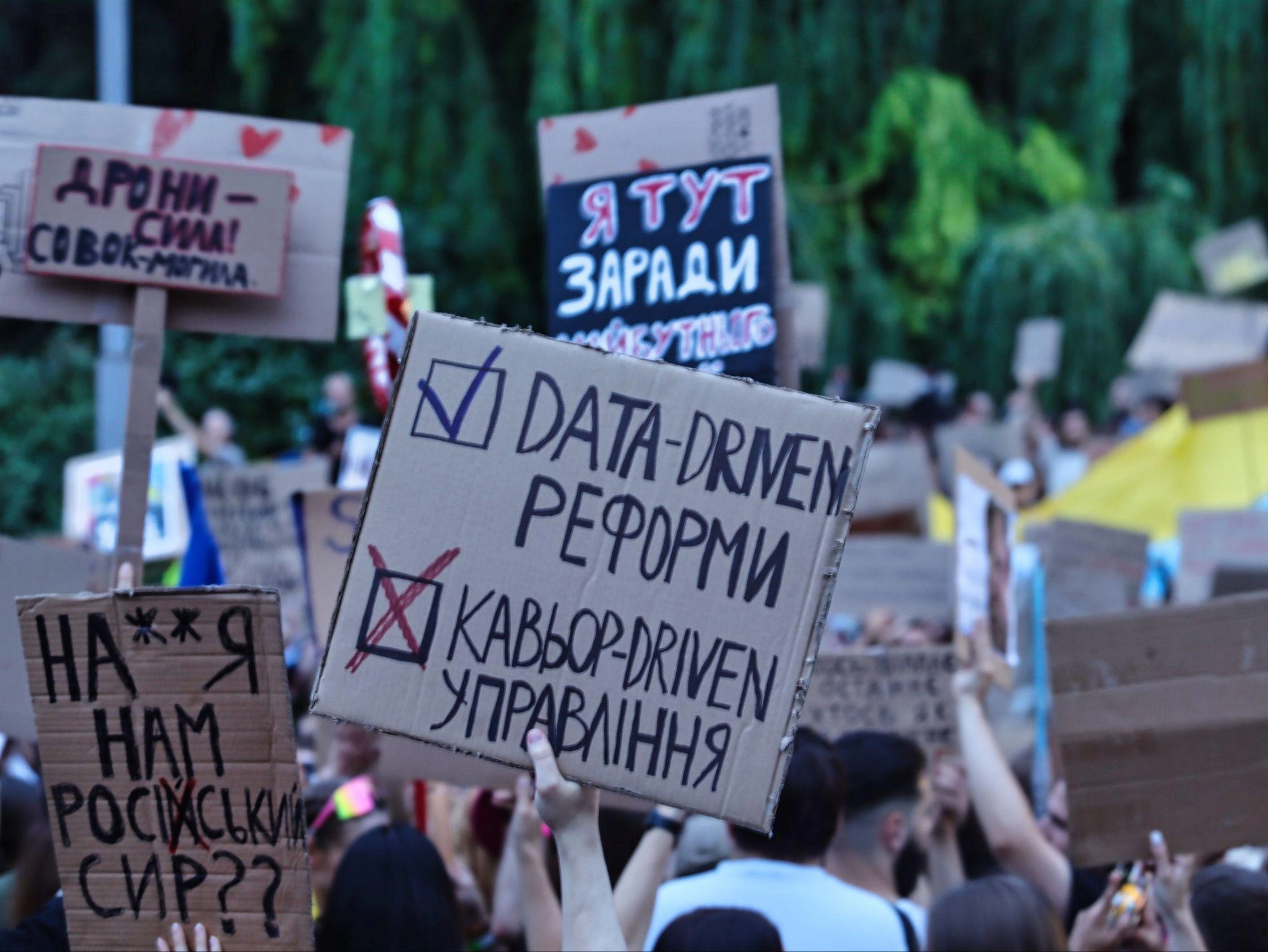
A placard that roughly translates to “Yes to data-driven reform, no to carpet management” – the latter an expression criticizing top-down management.
Fedorov’s brief, six-month tenure at the defense ministry had been centered on ridding the ministry of bureaucracy, with notable achievements including the removal of Starlink for Russian troops and the beginning of Kyiv’s effective drone-strike campaign against Russian oil and logistics.
Russian Strike on Kharkiv Suburbs Kills Three, Injures 20
After resigning, Fedorov said one of his unfulfilled tasks at the defense ministry was the complete transparency reform for arms procurement.
Fedorov’s supporters believe the minister – who headed Ukraine’s digital transformation before assuming the defense minister post – was largely responsible for Kyiv’s recent success in crippling Russian oil and logistics by scaling drone usage and procurement.
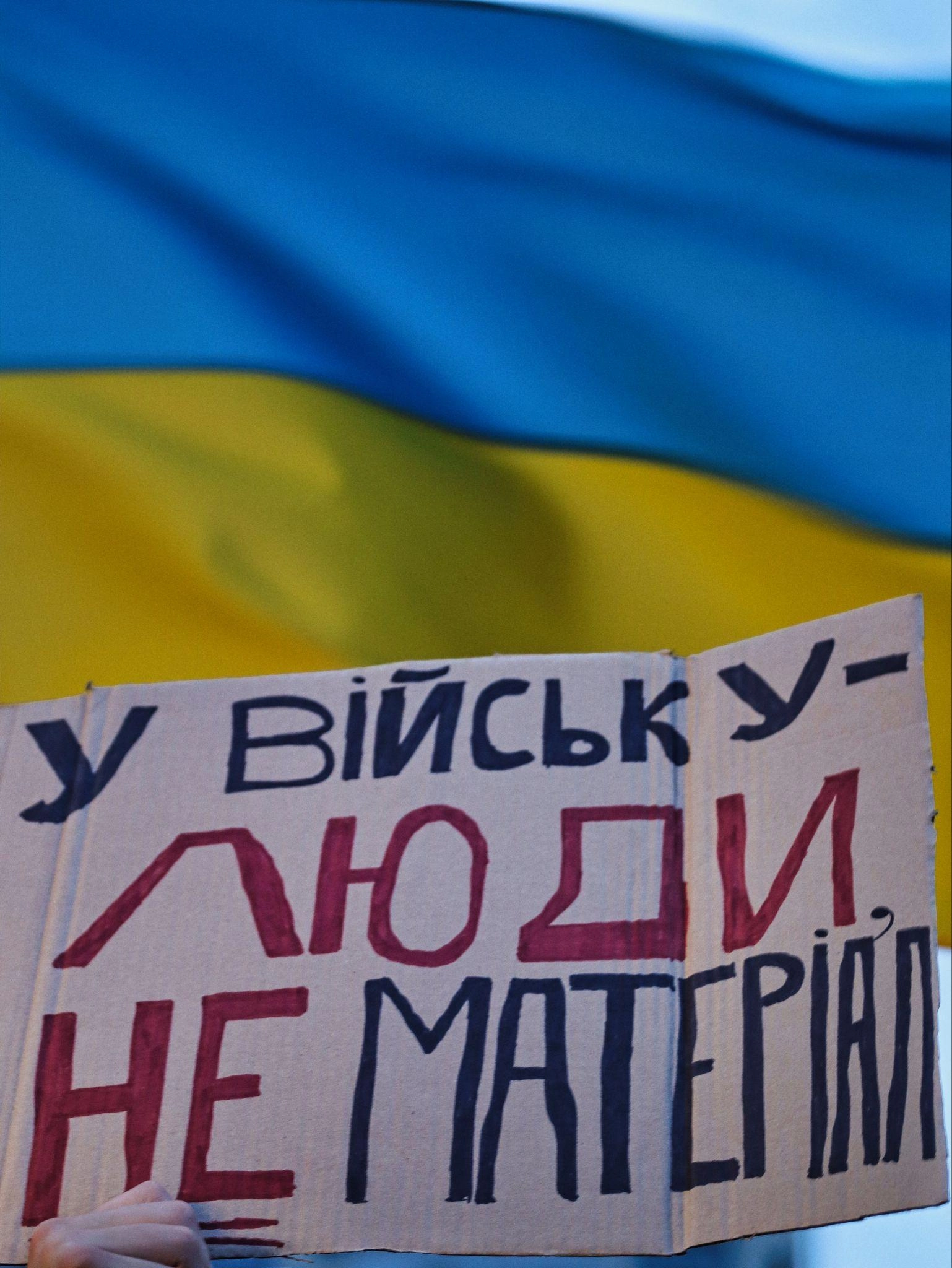
A placard that roughly translates to “In war, people are not expendable materials” – Fedorov’s reformist style has clashed with Syrsky’s more traditional approach to warfare, with the protests hinting at how Ukrainians believe the war for the country’s survival should be fought.
In Ukraine, Syrsky – who replaced former commander-in-chief Valery Zaluzhny in February 2024 – is perceived by some as a commander hailing from the Soviet-style attrition warfare, who deems manpower losses as an unfortunate but necessary aspect of warfare.
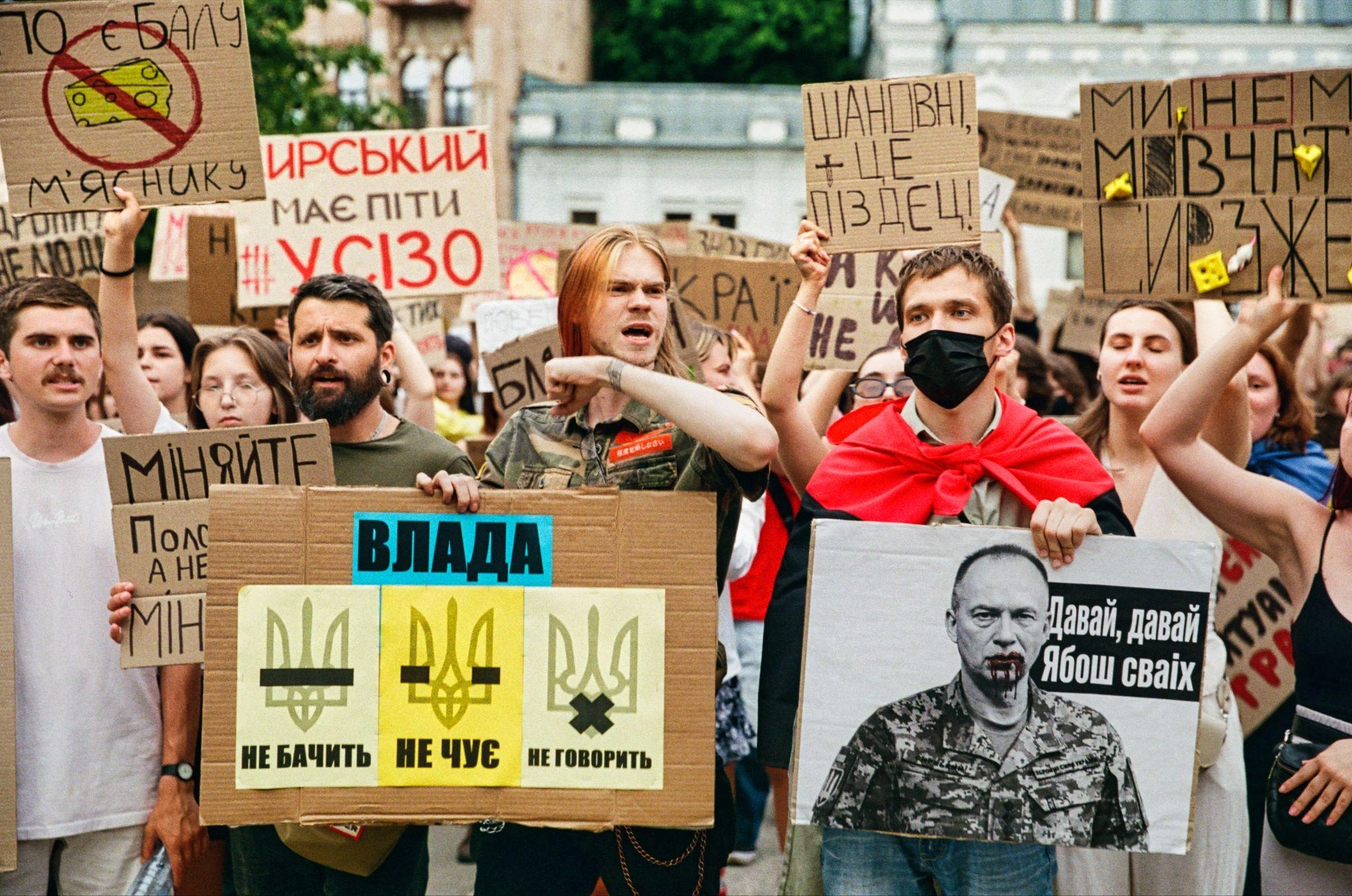
A protester holds a placard reading, roughly translated, “Authorities: See no evil, hear no evil, speak no evil,” while another (right) displays a caricature of Syrsky with the caption, roughly translated, “Beating your own.”
The latter likely refers to scandals involving potential cover-ups within the military, an accusation made by Serhiy Sternenko, an activist and Fedorov’s adviser.
In 2024, Sternenko – then an activist – accused Syrsky of placing him on a wanted list by a military enlistment office due to his criticisms of Syrsky’s approach to war.
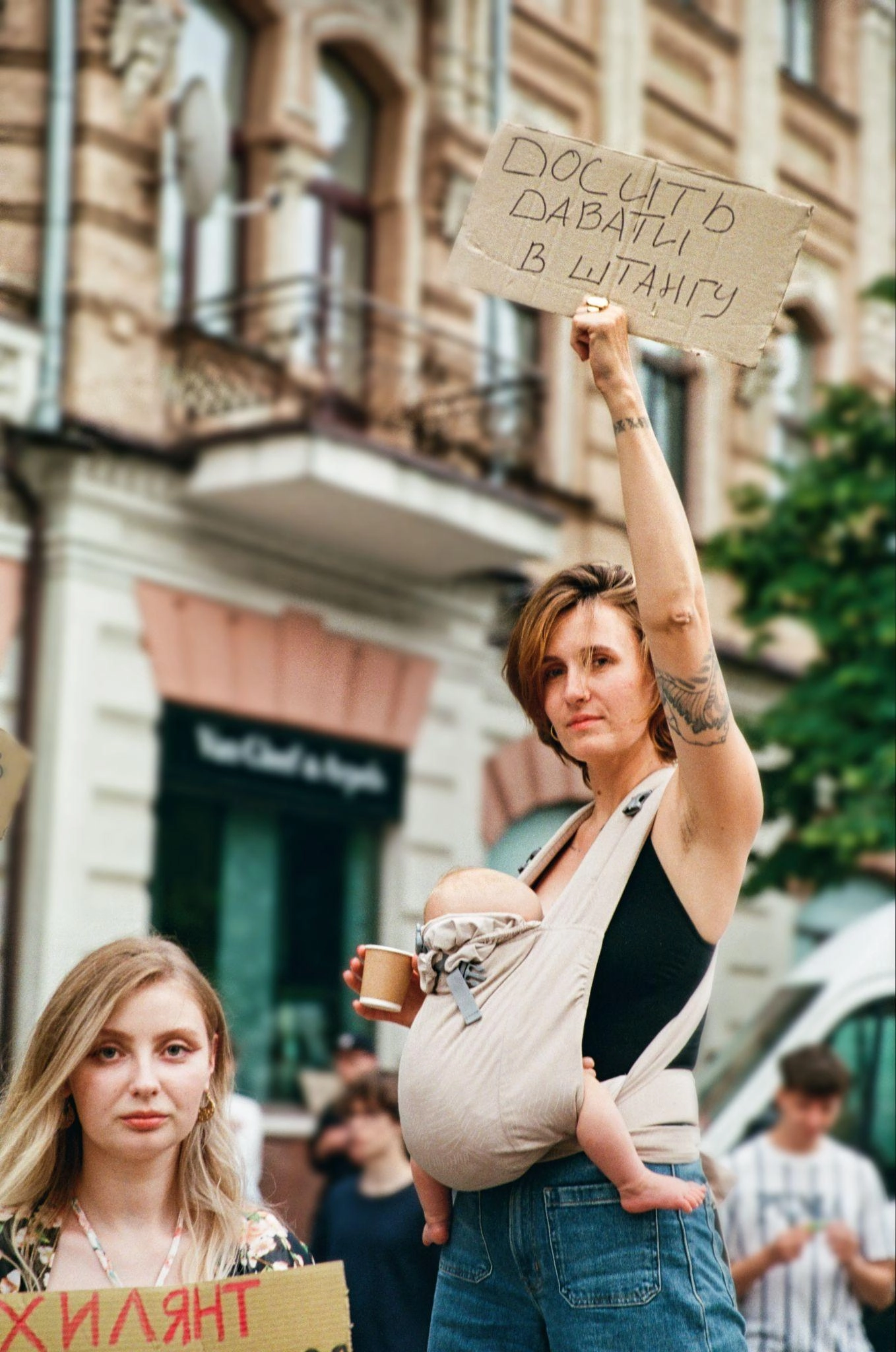
A protester carrying a baby holds a placard reading, roughly translated, “Stop Screwing It Up” – a not-so-subtle hint at the displeasure over some of Kyiv’s political decisions.
The latest protests came just shy of a year after another major rally – at the very same location – against the government’s attempt to curb the independence of Ukraine’s anti-graft agencies.
At the time, the government passed a law that critics said would deprive the anti-corruption agencies of their independence by expanding the control of the Prosecutor’s General Office over them. The decision was later reversed amid major public outcry.
The episode led to a major government reshuffle – again, just a year before another reshuffle and crisis this year tied to Fedorov’s dismissal.
You can also highlight the text and press Ctrl + Enter

Zelensky to Hold ‘Key Talks’ on Strategy to End War Monday