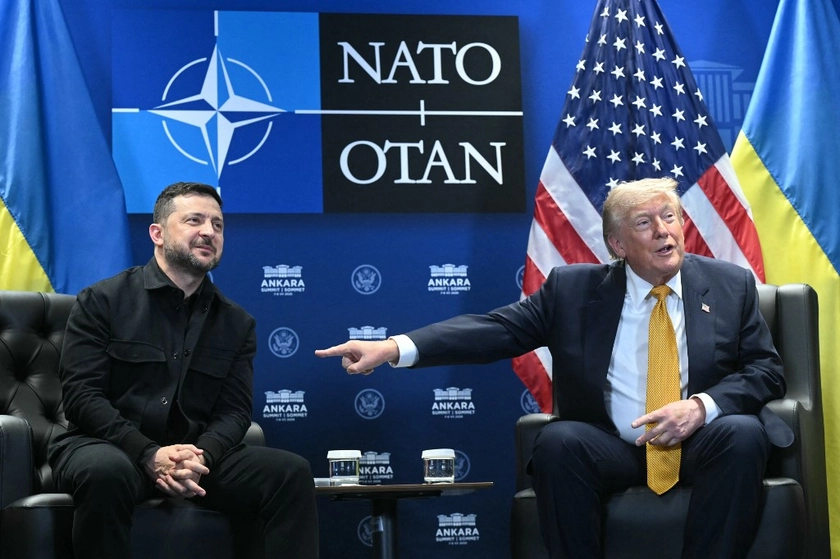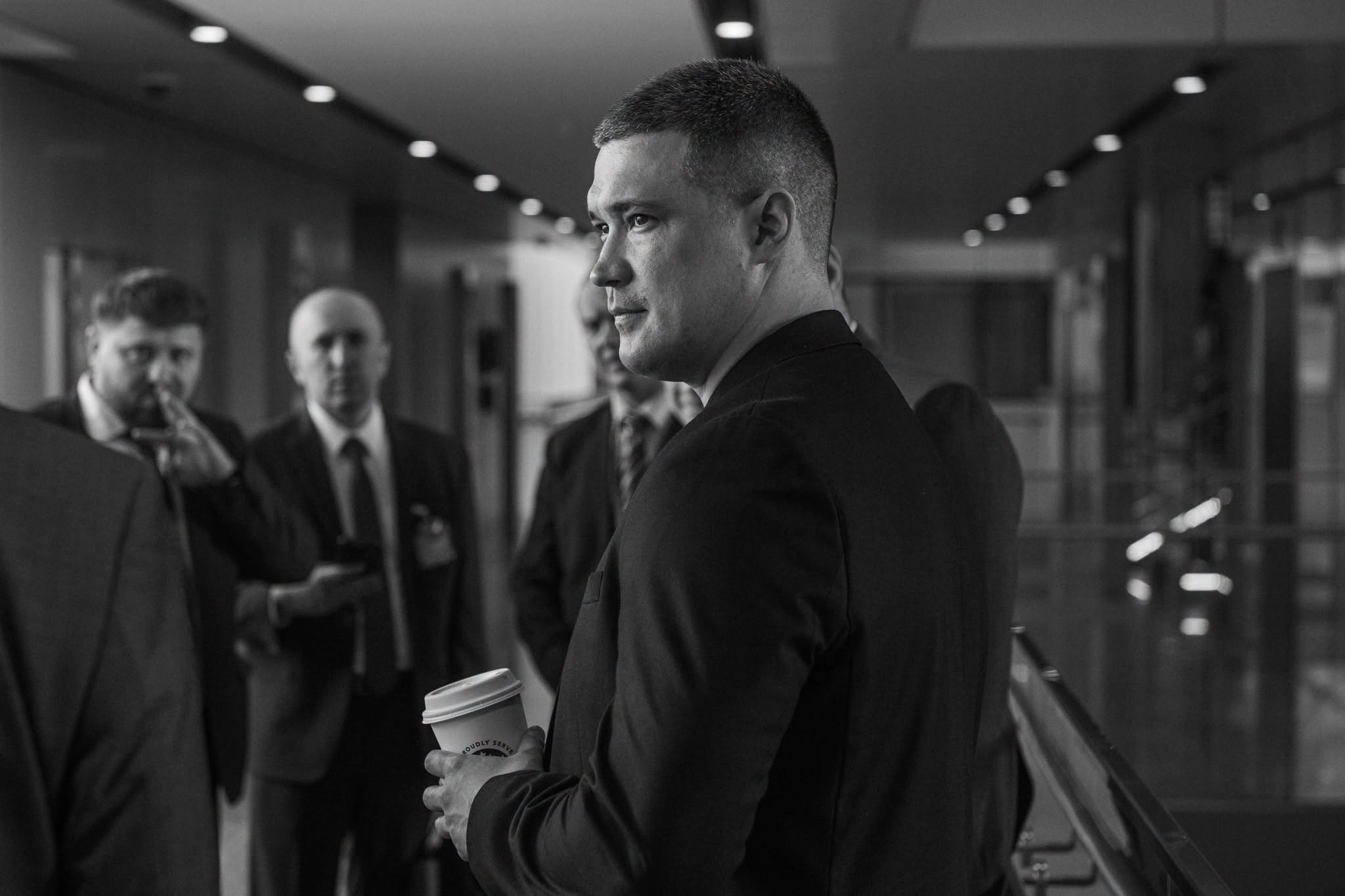
Ukraine is undergoing a government reshuffle, as President Zelensky has officially submitted to the Verkhovna Rada the nomination of Serhiy Koretsky as the country’s new prime minister.
However, discussions over who would fill the key cabinet positions lasted for two days, with the final lineup only becoming known late in the evening of July 15. The outcome triggered an extraordinary wave of public dismay.
JOIN US ON TELEGRAM
Follow our coverage of the war on the @Kyivpost_official.
The atmosphere is reminiscent of events exactly one year ago, when in July 2025 the Ukrainian authorities decided to undermine the independence of the country’s anti-corruption institutions, prompting widespread disappointment and a sense that reforms and positive change were being rolled back.
That decision sparked massive spontaneous protests.
Something similar now appears to be unfolding. A poorly explained and deeply unpopular decision could deal a political blow to Zelensky no smaller than the one he suffered a year ago.
As one member of parliament remarked in conversation: “It seems to have become our tradition – once every July we do something we’ll later be ashamed of.”
So what happened? Let’s start with the good news.
The new Cabinet of Ministers – the good news
According to analysts interviewed, the positive aspect of the new cabinet is that several genuinely capable officials have remained in office.
As expected, former Prime Minister and current Energy Minister Denys Shmyhal will remain in his position while also serving as First Deputy Prime Minister. His main task will be to prepare the country for a difficult winter, during which Russia is expected to attempt to disable Ukraine’s energy infrastructure with massive missile strikes after it failed to fully recover from the brutally frigid 2025-26 winter.
Russia Fires 6,001 Drones, 170 Bombs as Ukraine Repels 235 Clashes
Analysts also welcomed the decision to retain Finance Minister Serhiy Marchenko, who has consistently pursued a prudent monetary policy, as well as Social Policy Minister Denys Uliutin.
The decision to keep Culture Minister Tetiana Berezhna in office has also been viewed positively, as she has persistently delivered a number of important projects.
Several dismissals were also viewed favorably, particularly that of Oksen Lisovyi, from whom many had expected more decisive action to improve conditions in the education sector during wartime and to establish an effective system for administering the National Multi-Subject Test – the standardized examination used to certify students upon completion of secondary education. However, those expectations were not met, while educators increasingly complained about excessive bureaucracy.
That, however, is where the good news appears to end. Everything else has drawn criticism.
The bad news
Many veterans reacted negatively to the nomination of Vitalii Kim, the once-popular head of the Mykolaiv Regional Military Administration in 2022, for the post of Minister for Veterans Affairs – not least because Kim never served in the military and is not himself a veteran. The current Minister for Veterans Affairs, Natalia Kalmykova, has been embroiled in a number of controversies, particularly surrounding the National Military Memorial Cemetery, which has faced numerous problems. Overall, however, she was one of the driving forces behind the project and made every effort to see it through.
The dismissal of Economy Minister Taras Kachka also sparked dissatisfaction. Kachka is a well-known expert on agricultural issues who previously negotiated with the Poland to unblock the Ukrainian-Polish border amid repeated disruptions caused by Polish farmers, who argued that imports of what they considered non-competitive Ukrainian grain into Poland and the EU should be halted.
As minister, Kachka became the author of the so-called “Kachka-Kos Plan,” agreed with European Commissioner for Enlargement Marta Kos in December 2025. The plan consisted of 10 key reform commitments for Ukraine, including strengthening the rule of law, protecting anti-corruption institutions, and other reforms. By the spring of 2026, however, Ukraine had implemented only 15% of the plan. The parliamentary majority controlled by Zelensky’s party repeatedly refused to adopt the anti-corruption legislation required to fulfill those commitments.
Kyiv Post’s parliamentary sources believe Kachka’s dismissal stems precisely from this issue: he committed Ukraine to reforms in areas where, as events a year earlier had already demonstrated, the Ukrainian authorities were reluctant to assume obligations – and even less willing to implement them.
The man of hope
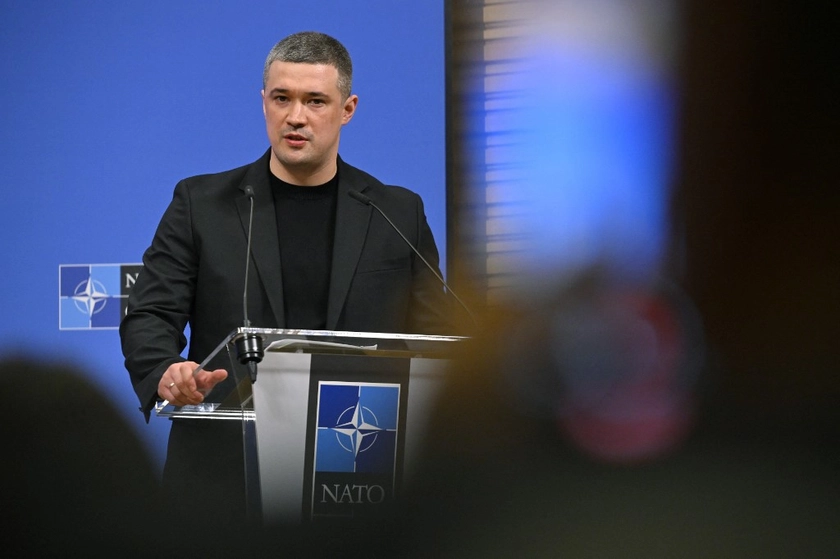
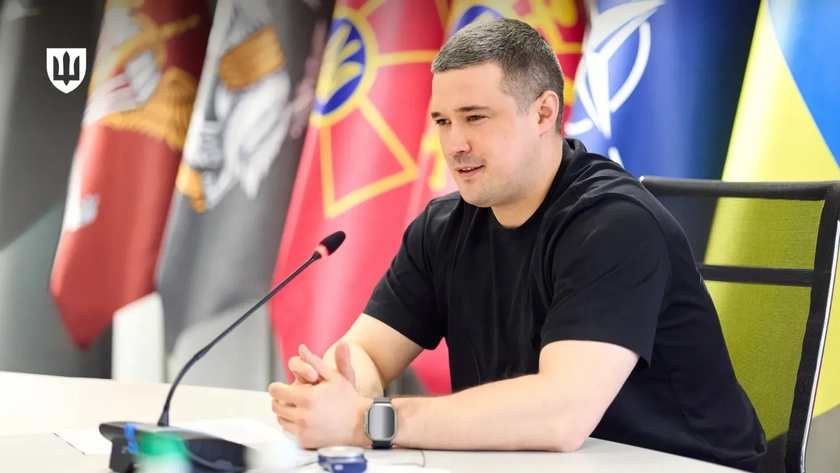
Nothing caused greater confusion, shock, and anger among Ukrainians than the dismissal of Mykhailo Fedorov as defense minister.
Conspiracy theories even began circulating online, claiming that the entire government reshuffle had been orchestrated solely to remove the popular defense minister. The argument was that parliament would never vote directly to dismiss Fedorov, and society would not accept such a decision.
Calls for protests in Kyiv and Lviv have now emerged, just as they did a year ago.
Why the outrage?
Mykhailo Fedorov became immensely popular even before the war. Brilliant, the youngest minister in the government, and educated in the United States, he was the first to grasp the potential of digitalization and succeeded in implementing the boldest and most ambitious reform of the 2020s: moving nearly the entire bureaucracy into a smartphone through a dedicated application that became a passport, a public services center, and even a personal legal assistant. Instead of standing in endless lines at government offices, people could obtain certificates, official documents, apply for numerous public services, and pay utility bills within minutes.
It was the first case in the world where a smartphone application replaced virtually all paper documents and government administrative services. By then, Fedorov was already enjoying enormous public acclaim – but he did not stop there.
After Russia’s full-scale invasion, he took charge of drone procurement and the creation of digital command systems for unmanned platforms, while actively supporting volunteers and military units working in this field. After becoming defense minister, he launched a sweeping effort to digitalize military procurement, strengthen Ukraine’s long-range strike capabilities against targets inside Russia, and rapidly expand the army’s drone capabilities.
The results became immediately apparent. Ukraine’s improved battlefield performance in 2026, the large-scale strikes on Russia’s oil industry, and the “wall of drones” on the front line were frequently associated with Fedorov, although observers also acknowledged the tremendous contribution of volunteers, manufacturers, and commanders such as Robert “Madyar” Brovdi and Pavlo “Lazar” Yelizarov, who have actively introduced new technologies into military operations.
Fedorov has also surrounded himself with well-known volunteer leaders and drone warfare practitioners as advisers and close associates. These included Serhii Sternenko, who was among the first to explore the use of interceptor drones against Shahed drones, and Serhii “Flash” Bezkhrestnov, who analyzed downed Russian drones and regularly explained Russian strike tactics on social media. Fedorov also worked closely with prominent innovators and activists such as Roman Sinitsyn and Maria Berlinska.
Fedorov himself summarized his achievements over six months in 22 points. Among the most significant were launching the new Ramstein format, convincing Ukraine’s allies that the country would not lose the war, testing Ukraine’s first domestically developed ballistic missile, carrying out a series of effective strikes against Crimea, and purchasing more drones in just four months than had been acquired during the entire previous year.
He described his shortcomings much more briefly: “Complete the organizational transformation of the Ministry of Defense in accordance with NATO standards and common sense… But we should have been even more decisive in removing those who were slowing down change. We also needed to move absolutely all procurement to competitive tenders.”
Fedorov’s adviser Sternenko elaborated on their shortcomings: “What we failed to achieve... A great deal. Much of it because of bureaucratic obstacles and deliberate delays from those opposed to military reform. It is painful that today our country is farther from victory than it should be. It is painful that genuine reforms were never even allowed to begin, even though we still managed to change a great deal.”
His accusations against those “dragging out” reforms are no coincidence. Insiders, openly citing members of the Servant of the People parliamentary faction, are already saying that Fedorov’s dismissal resulted from a conflict with the military bureaucracy led by Commander-in-Chief Oleksandr Syrsky. According to this version, Fedorov focused too heavily on drones and refused to listen to generals and colonels arguing that there were other equally important factors in modern warfare.
There is, however, another element to consider: The Ministry of Defense controls an enormous budget. In practice, defense spending now accounts for virtually Ukraine’s entire state budget, while social expenditures are financed by Western partners. This year, defense spending amounts to Hr.4.4 trillion (approximately $100 billion). That is an immense sum of money, and the question is how it will be spent. Fedorov’s efforts to digitalize all procurement and make tenders fully transparent did not please everyone. Although this is not officially cited as the reason for his dismissal, tensions surrounding these reforms were considerable.
Roman Sinitsyn, one of Fedorov’s close associates, described how Fedorov invited him to the Ministry of Defense to reform the military’s quality assurance system.
“The reform was intended to transform the existing Main Directorate for State Quality Assurance [a Ministry of Defense body employing more than 1,000 people, mostly military officers, predominantly colonels and lieutenant colonels] into a civilian agency, Q1, with military positions, market-based salaries, data-driven approaches, a reduced human factor in inspections, and an overall departure from the Soviet legacy...”
This is precisely why dismissal of Federov – a man in whom both the armed forces and society had placed genuine hope – triggered an explosion of public outrage.
“The dismissal of a figure of this magnitude without any proper explanation (once again) sends a signal that the authorities no longer consider it necessary to be accountable to society... It is also a signal to everyone who would like to implement reforms or join the team of change: they will simply wipe their feet on you,” wrote Bohdan Lohvynenko, founder of the internationally renowned cultural project Ukraїner.
“Fedorov is unique because he acted not as a bureaucrat but as a manager and a reformer. Throughout these years, he systematically removed every obstacle standing in the way of creating world-class innovative products. There are very few people like him, and his dismissal could undermine Ukraine’s innovative and technological advantage in this war,” said Volodymyr Popereshniuk, founder and co-owner of the innovative delivery company Nova Poshta.
Even some lawmakers from Zelensky’s Servant of the People party, including former diplomat Bohdan Yaremenko, said they would not support replacing the defense minister:
“Apparently, [Fedorov] failed to find common ground with part of the military leadership… Political appointees often clash with the professional bureaucracy. It is not the end of the world. It is a manageable situation,” Yaremenko wrote.
Chairman of the Public Council at the Ministry of Defense Yurii Hudymenko wrote: “I honestly struggle to think of anything inside the Ministry of Defense that is not currently being reformed. Everything is changing. Procurement reform, anti-corruption policy, personnel policy – and we were even involved in reforming the military forestry system! It got to that point. Everything is being transformed. This is the worst possible moment to replace the defense minister because all of these reforms are happening right now – they are at their peak.”
Who is celebrating?
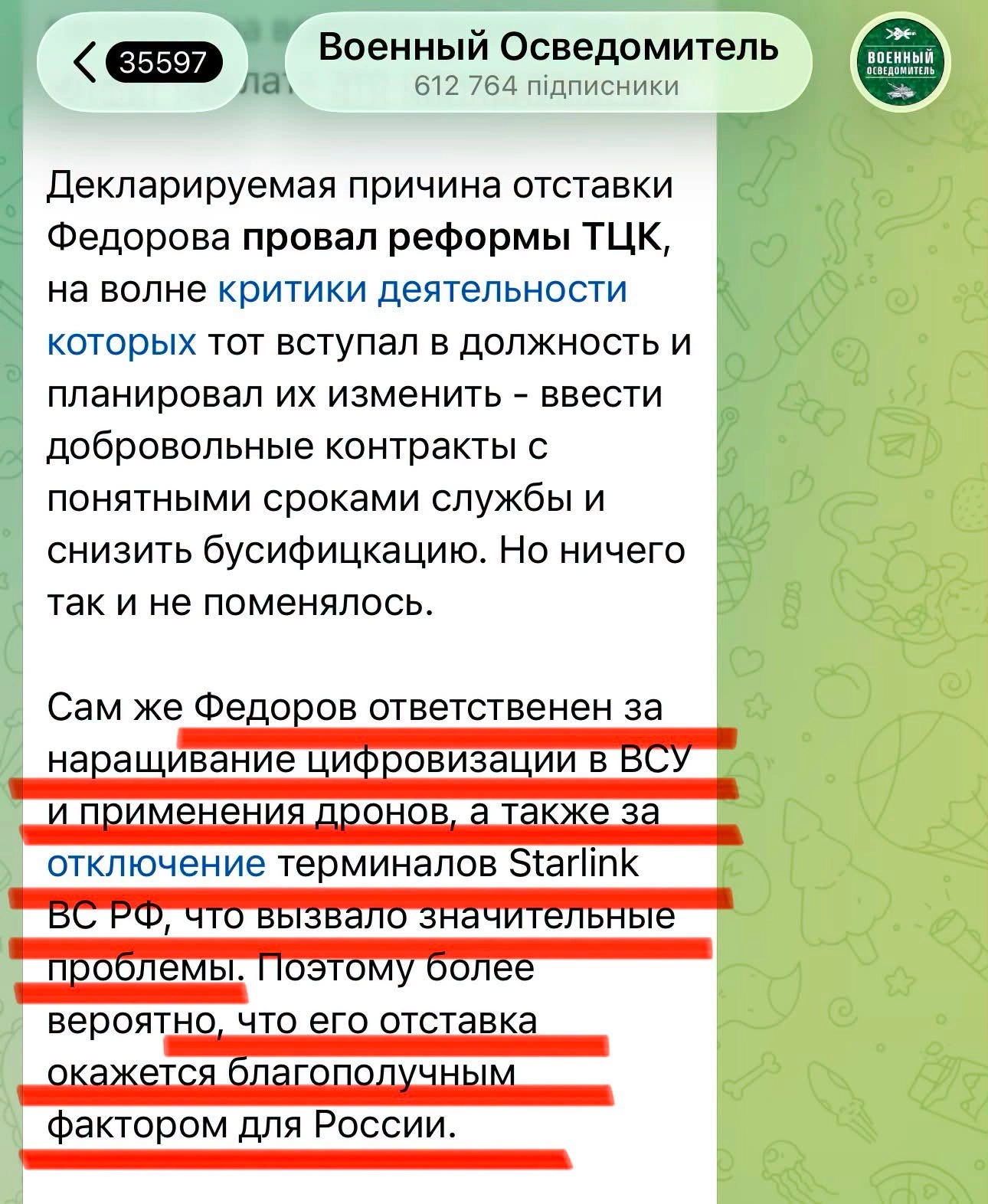
The first people to celebrate Fedorov’s dismissal were... the Russians. Russian pro-war military bloggers openly wrote that Ukraine’s progress in drone warfare was largely Fedorov’s achievement – and that his departure was excellent news for the Russian army.
“Fedorov was responsible for the digitalization of the Armed Forces of Ukraine, the deployment of drones, and even for cutting off Starlink access for the Russian Armed Forces. Therefore, his dismissal will be beneficial for Russia,” wrote the Russian military blog Voyennyi Osvedomitel.
What comes next?
Ukraine, now deeply shaken by the dismissal of the “man of hope,” whose image has become synonymous with innovation, digitalization, new technologies, and drones, is preparing for mass protests similar to those seen last year.
It is becoming increasingly clear that removing Fedorov – a figure widely regarded as a symbol of success and, in many ways, a role model for younger Ukrainians – will not be politically easy.
Moreover, unlike last year’s protests, this time the military has openly expressed its support for the demonstrations. Some veterans have also pledged to join them in person.
You can also highlight the text and press Ctrl + Enter

Trump Says US Will Let Ukraine Build Patriot Systems: ‘We’ll Show Them How to Make Them’
OPINION: The Bill for Crimea Comes Due for Putin