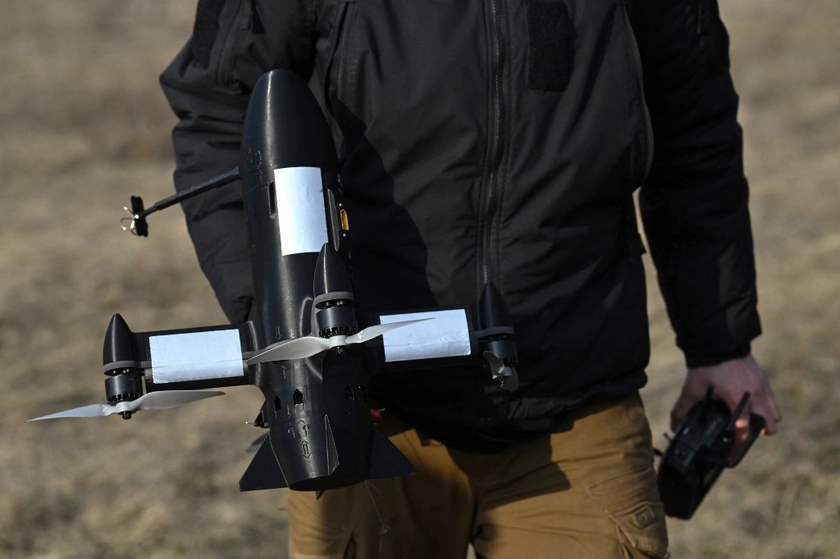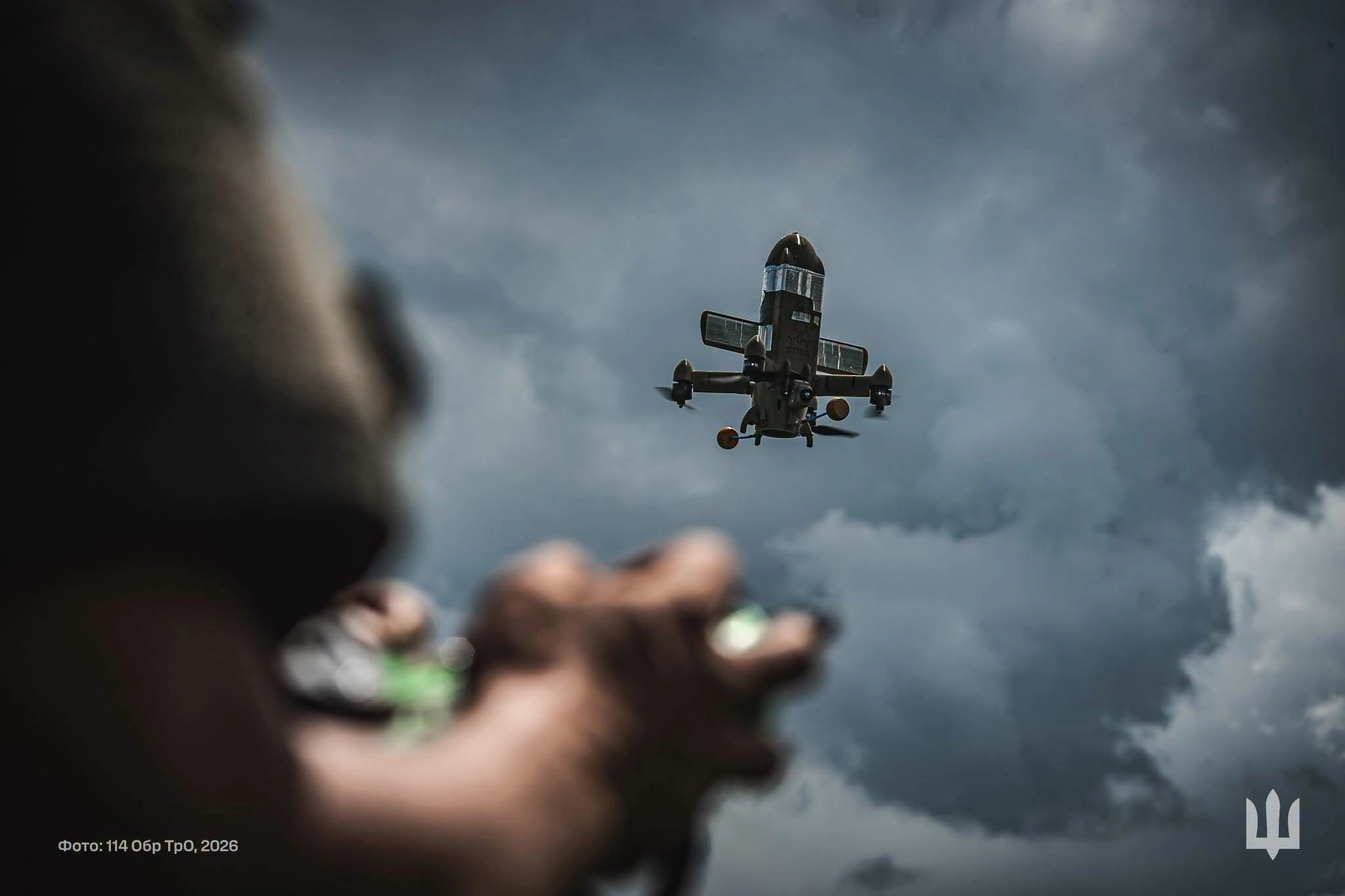
Ukraine has begun using medium-range attack drones to hunt Russian military traffic far behind the front line, opening a new phase in the drone war that threatens supply routes Moscow once considered safe.
According to Business Insider, the drones are targeting military logistics up to 300 kilometers from the front, creating a new layer of pressure between short-range FPV attacks and long-range deep strikes on Russian territory.
JOIN US ON TELEGRAM
Follow our coverage of the war on the @Kyivpost_official.
Former drone operator Dmytro Zhluktenko, now an analyst with Ukraine’s 413th RAID Unmanned Systems Regiment, said operators can equip drones with Starlink terminals, allowing them to fly deep into occupied territory while maintaining an internet connection.
The drones can then patrol major supply highways in what operators call “free hunting” missions.
Drones push deeper into Russian rear areas
Zhluktenko said Ukrainian operators are creating “chaos” deep behind Russian lines, reaching up to 100 kilometers into the rear. The area is packed with military traffic, he added, saying “those highways are so loaded with military logistics that it would be very hard not to find targets.”
While the area is not guaranteed to be hit, Zhluktenko warned that anyone operating there faces a serious threat. “It’s not a 100% kill zone, but you are definitely in danger,” he said.
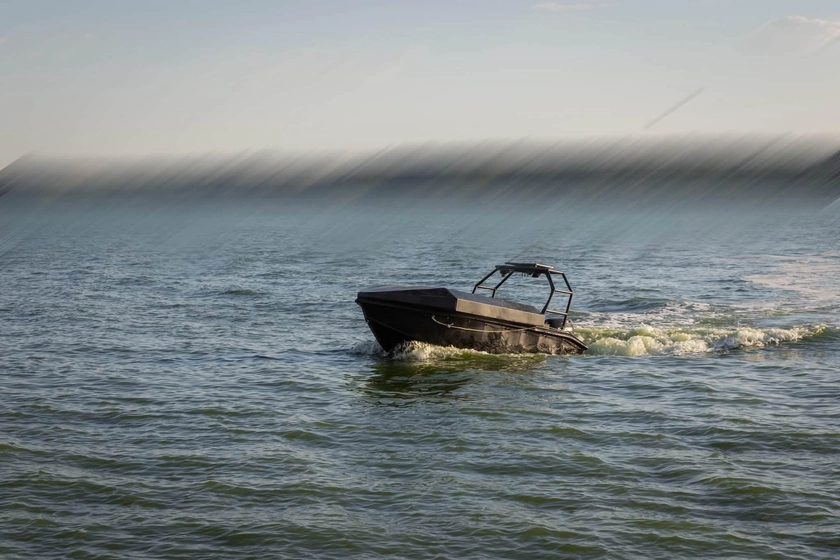
The report says Ukraine’s growing fleet of medium-range drones fills a key operational gap. FPV drones dominate the 2D ground war battlefield and the 3D battlespace near the front, while long-range systems hit oil depots, air bases and military facilities deep inside Russia.
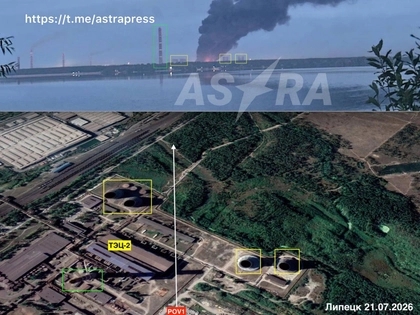
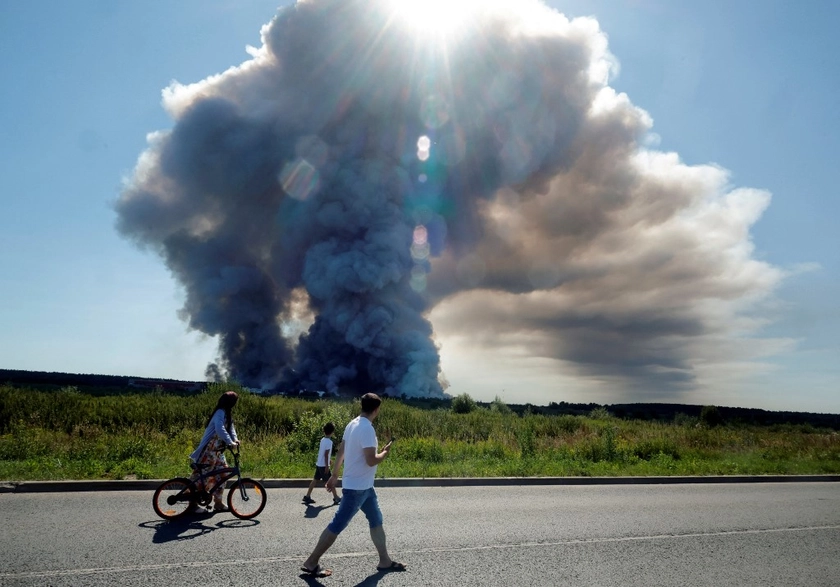
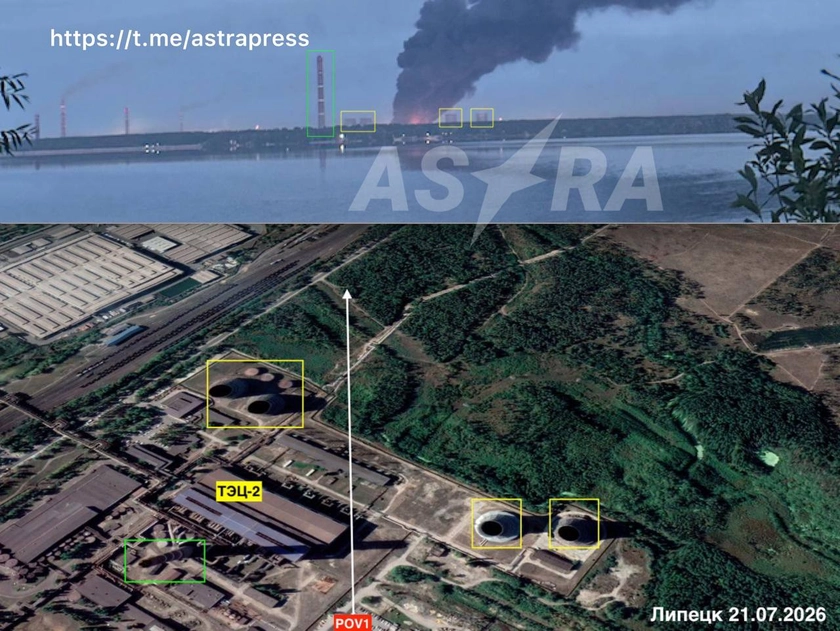
Fire Erupts Near Russia’s Largest Steel Plant After Reported Drone Attack in Lipetsk
The new class of drones targets the space in between, striking ammunition depots, transport hubs, vehicles and command posts 20-300 kilometers from the fighting.
The attacks complicate Russian efforts to move supplies to frontline units while forcing Moscow to stretch its already strained air defenses.
Russia struggles to protect the “middle zone”
According to Zhluktenko, Russia lacks a robust defensive network across this “middle zone” and cannot easily redeploy additional assets because Ukrainian drones are already threatening targets across multiple sectors.
Even if Russia deploys large numbers of interceptor drones, defending such a vast area would consume significant resources, Zhluktenko said.
“So it’s a win-win anyway,” he said. “So we are just widening the danger zone for them.”
Taras Berezovets, head of the military cooperation department of Ukraine’s Territorial Defense Forces, said in May that the new technology had changed Russia’s rear areas from safe zones into potential targets.
“The area which they considered to be safe is now a new kill zone,” he said.
He added that Russia is now facing greater logistical challenges because moving weapons and equipment to the front takes longer.
You can also highlight the text and press Ctrl + Enter