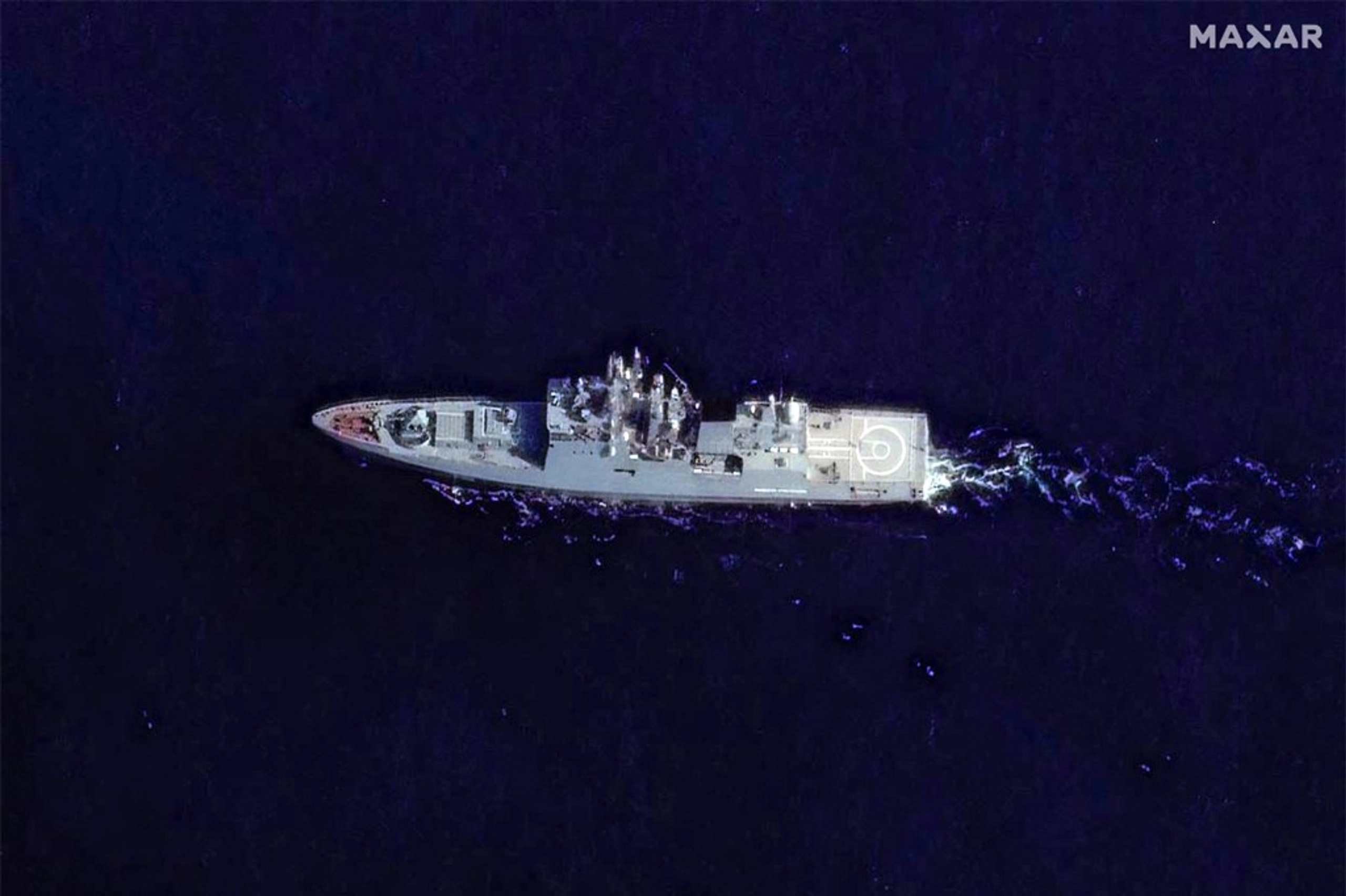
The Russian frigate Neustrashimy conducted a live-fire artillery exercise around 40 nautical miles off the British coastal city of Plymouth on Monday, according to the British government.
The exercise lasted for around 30 minutes.
JOIN US ON TELEGRAM
Follow our coverage of the war on the @Kyivpost_official.
The live-fire drill, which technically takes place in international waters, coincided with the appointment of new British Prime Minister Andy Burnham on the same day.
The BBC on Tuesday said the Neustrashimy was shadowed by a British warship and monitored by a French military aircraft, which made radio contact with Neustrashimy seeking clarification on the Neustrashimy’s intention.
The outlet said the Neustrashimy told HMS Tyne, a Royal Navy offshore patrol vessel, its intention to conduct a live fire exercise. The Russian vessel also requested the HMS Tyne to move to a safer distance, which the latter complied with.
The UK Ministry of Defence said the Royal Navy had continued to “track the vessel’s activity closely.”
The Neustrashimy, launched in 1988, is primarily designed for anti-submarine and escort missions. It has a full displacement of over 4,000 tons, a length of approximately 130 meters (426 feet), and a maximum speed of 30 knots, according to a Russian outlet.
The outlet reported in June that the vessel was fitted with the “Peroed-M” electronic warfare (EW) system to counter incoming drones.
Clashes and potential espionage in and around British waters
While Russian warships transit the English Channel on a regular basis, the latest exercise followed a series of clashes and potential espionage activities surrounding British waters.
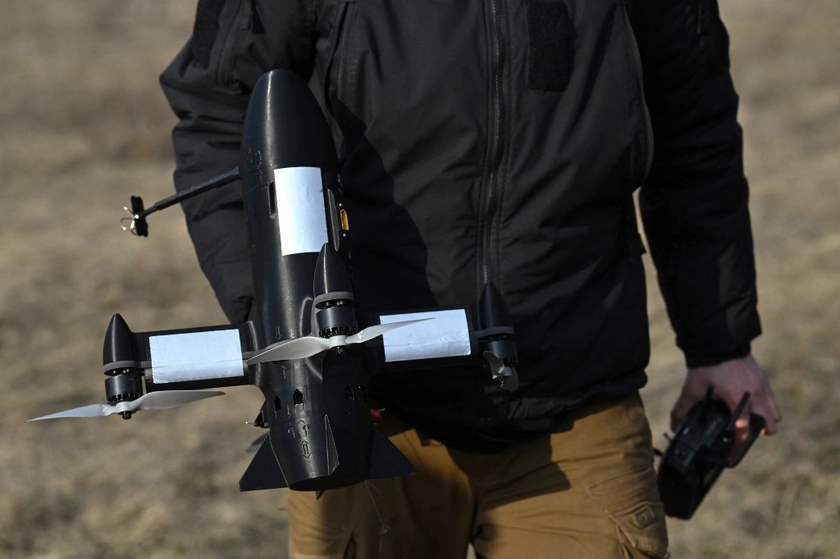
For Ukraine’s Drones, Names Are Part of the Battle
In June, a Russian frigate fired warning shots at a leisure yacht operated by a British couple. The warship claimed the yacht had failed to yield after numerous warnings before firing the shots.
Two days prior, British Royal Marines boarded and seized a sanctioned Russian “shadow fleet” tanker ferrying oil in the first British operations of its kind.
In November 2025, the Royal Navy said it intercepted a Russian corvette and tanker in the English Channel. A week prior, the Russian spy ship Yantar was observed entering British waters for the second time in 2025 and reportedly aimed lasers at RAF pilots after the UK dispatched a Royal Navy frigate and RAF P-8 surveillance aircraft to track it.
The UK has been one of the most vocal backers of Ukraine, committing up to £21.8 billion ($29 billion) worth of aid as of June 2026, with President Volodymyr Zelensky among the first foreign leaders to speak with the newly appointed Burnham on Monday.
Russia has also portrayed the UK as an ideological enemy, with its Foreign Intelligence Service (SVR) officially claiming British support for Kyiv during Russia’s invasion is an attempt to settle scores over the Crimean War of 1853-56.
You can also highlight the text and press Ctrl + Enter