The Kremlin appears to be laying the groundwork for a possible new mobilization campaign while publicly insisting that Russia’s economy remains stable despite mounting fuel shortages and signs of economic decline.
According to the latest assessment by the Institute for the Study of War (ISW), recent legislative changes, alongside proposed expansions of Russia’s internal security powers, suggest Moscow is preparing not only to increase military recruitment but also to manage potential domestic unrest if a formal mobilization is announced.
JOIN US ON TELEGRAM
Follow our coverage of the war on the @Kyivpost_official.
Groundwork for mobilization
The Washington-based think tank said that on July 22, Russia’s State Duma approved legislation allowing people with active criminal records – including those convicted of drug trafficking and organized crime – to sign contracts with the Russian Ministry of Defense during periods of formal mobilization.
Deputy Defense Minister Viktor Goremykin said the measure would significantly expand the pool of eligible recruits and strengthen Russia’s military recruitment efforts for the war against Ukraine in 2026.
Meanwhile, Russia’s National Guard (Rosgvardia) proposed amendments to broaden its civil defense powers, allowing it to protect society from unspecified “dangers” during mobilization, martial law, or wartime.
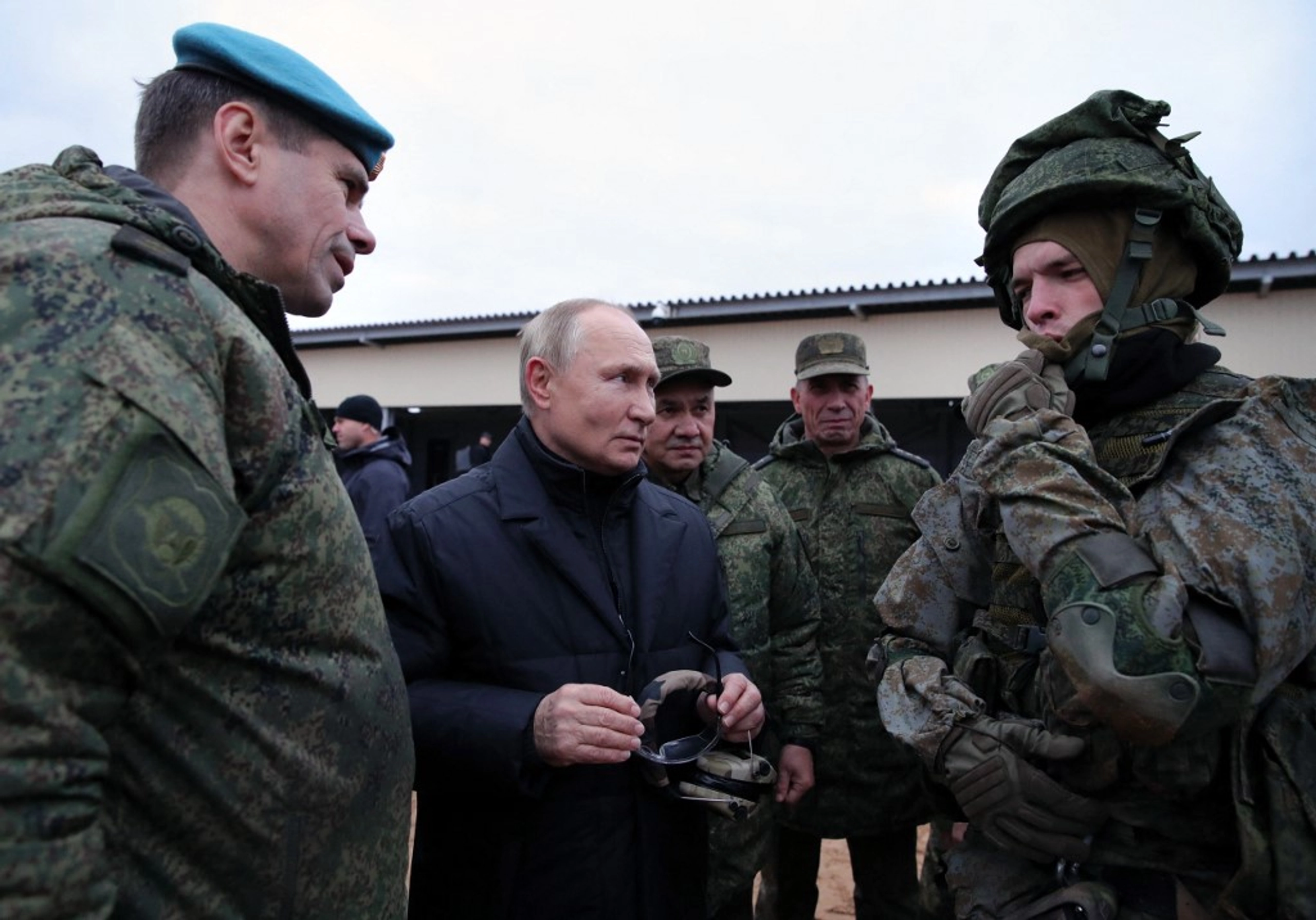
ISW noted that Russian leader Vladimir Putin had already signed legislation in November 2025 allowing reservists to be deployed to combat zones without formally declaring mobilization.
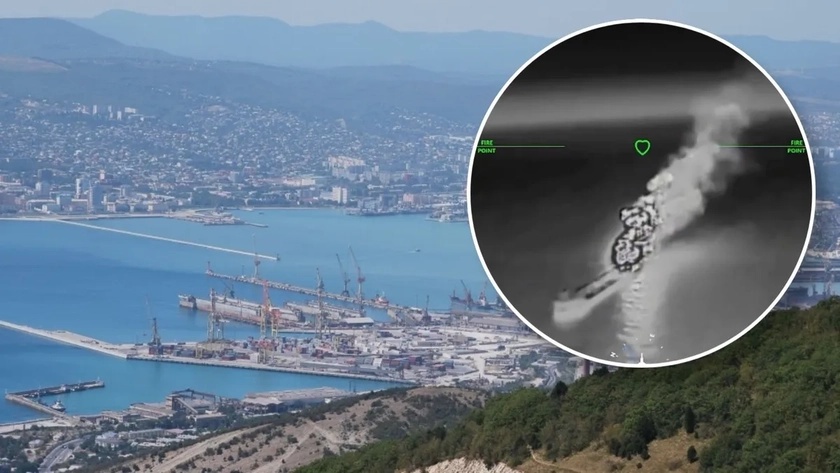
Russia Restricts Nighttime Shipping at its Largest Cargo Port After Ukrainian Drone Attacks
At the time, analysts assessed that the Kremlin was creating legal mechanisms for rolling reserve call-ups while avoiding the political costs associated with another nationwide mobilization.
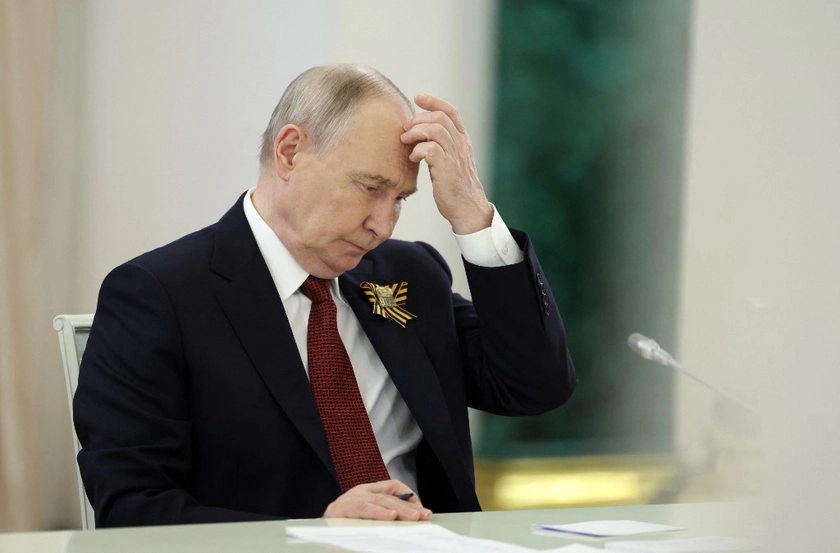
The new legislation, ISW argues, indicates the Kremlin may now be preparing conditions for a formal mobilization while anticipating potential public resistance.
However, the think tank stressed that any such decision ultimately depends on Putin personally, noting that mobilization remains politically unpopular inside Russia.
Putin says economy is stable
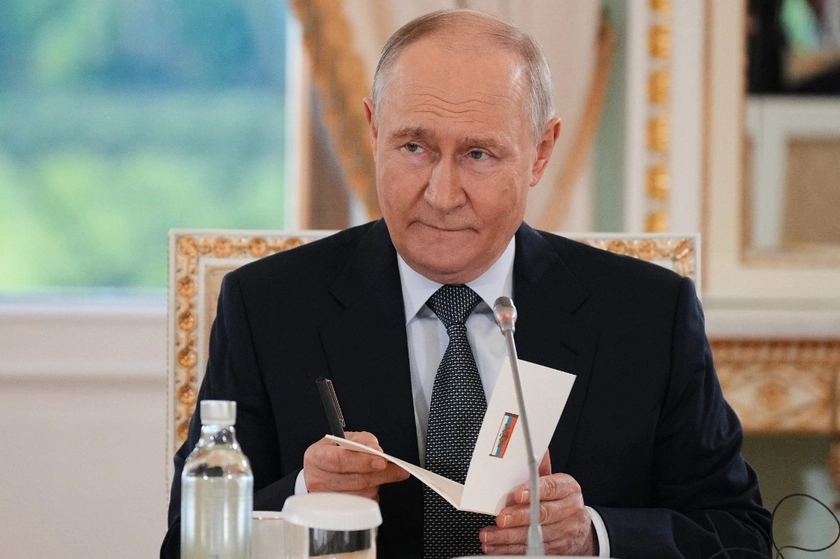
As the Kremlin expanded wartime authorities, Putin sought to reassure Russians that the country’s economy remained resilient despite worsening fuel shortages.
Speaking during a government meeting on July 22, Putin claimed Russia’s economy remained stable despite what he described as “external attempts to destabilize the fuel and energy sector,” referring to Ukraine’s long-range strikes on Russian energy infrastructure.
He described disruptions in the fuel market as temporary and said they would not affect broader economic performance.
According to Putin, Russia’s GDP grew by 0.3% in May and by 0.2% during the first five months of 2026. He also said the federal budget posted a surplus of 196 billion rubles (about $2.5 billion) in June and that the country’s money supply increased by 13% year-on-year as of July 1.
ISW sees mounting economic pressure
ISW argues that Putin’s optimistic assessment contrasts with growing evidence that Russia’s wartime economy is under increasing strain.
The think tank pointed to persistent fuel shortages following months of Ukrainian strikes on refineries and energy infrastructure, rising inflation, declining stock market performance, reduced agricultural exports, capital flight, and labor shortages.
Russia’s food producers’ association Rusprodsoyuz reported this week that the cost of a minimum monthly food basket has risen by 7.9% since the beginning of 2026, highlighting inflationary pressure on households.
Meanwhile, the state-run business newspaper Kommersant, citing analytics firm Platts, reported that Russian refineries have fulfilled less than 19% of gasoline purchase requests despite some facilities resuming operations.
According to ISW, these indicators suggest Russia’s economic difficulties are structural rather than temporary.
“The Russian government has adopted suboptimal economic policies to sustain its war in Ukraine, leading to many of Russia’s current economic issues, including increased and unsustainable war spending, growing inflation, significant labor shortages within the construction and services industries, and reductions in Russia’s sovereign wealth fund.”
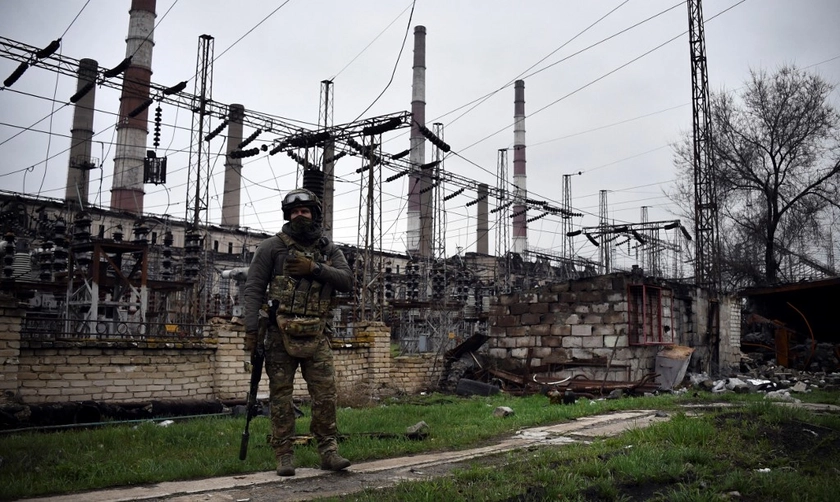
Notably, as the Kremlin prepares for the possibility of broader mobilization and Putin insists Russia’s fuel problems are under control, Ukraine’s sustained drone campaign against Russian oil refineries is already disrupting fuel supplies to Russian troops, who report severe gasoline shortages and strict refueling limits.
According to the independent Russian outlet Verstka, some units that previously received fuel as needed are now restricted to just 20 liters (5.3 gallons) per vehicle per day.
Several service members said the shortages have cut fuel deliveries by around 30%, affecting not only combat vehicles but also trucks transporting ammunition and food.
A soldier in the Zaporizhzhia sector said his unit now receives only 10-15 liters (2.6-4 gallons) of gasoline instead of 20, forcing troops to walk 11 kilometers (6.8 miles) to collect water, food, and other supplies.
Soldiers complained that fuel supplied by the Russian Defense Ministry is poor quality, while volunteer groups and Russian military bloggers have acknowledged the growing crisis, saying it is complicating deliveries of humanitarian aid and frontline supplies.
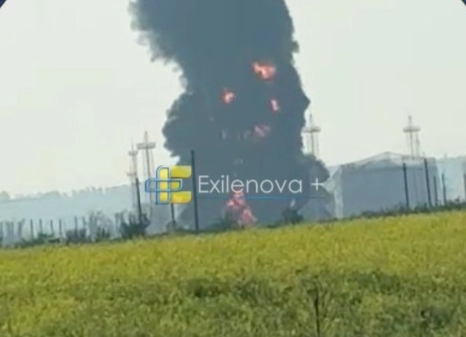
The military fuel crunch follows months of Ukrainian strikes on Russia’s energy infrastructure. According to Energy Aspects, Russia’s refinery output has fallen by more than 60% to its lowest level since 2005.
Bloomberg estimates Ukraine has struck at least 24 of Russia’s 34 major refineries in about 50 attacks over the past 100 days, including the Omsk refinery, the country’s largest.
The campaign has triggered nationwide fuel rationing, export bans on gasoline, jet fuel, and diesel, and even discussions about importing gasoline from India and Kazakhstan.
You can also highlight the text and press Ctrl + Enter