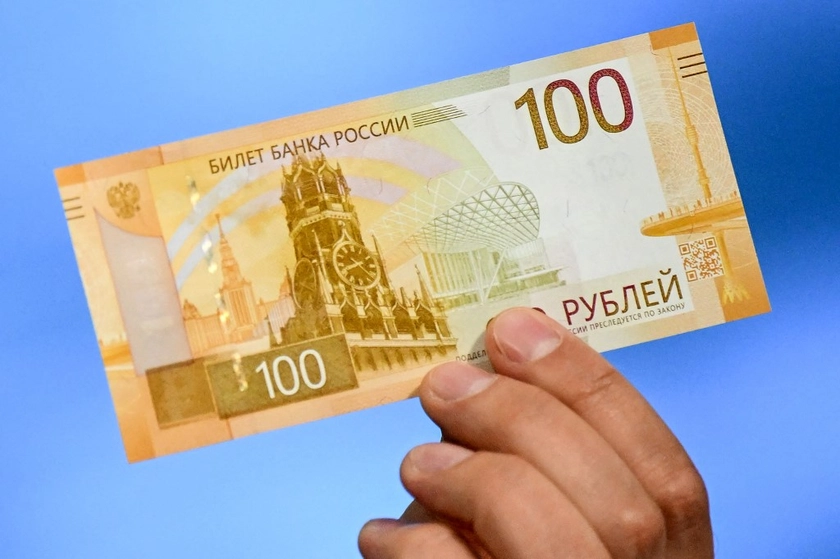
The US imposed an additional 12.5% tariff on most goods imported from Russia, placing Moscow among dozens of economies penalized for failing to block products made with forced labor from entering their markets.
The measure took effect on Friday, according to a notice published by the Office of the US Trade Representative (USTR), per the Moscow Times.
JOIN US ON TELEGRAM
Follow our coverage of the war on the @Kyivpost_official.
Goods that were already loaded onto vessels and in transit before the deadline will be exempt if they enter the US before 12:01 a.m. on July 28.
The tariff is not a new sanction directly related to Russia’s war against Ukraine. It is part of a broader US trade action targeting 60 economies that Washington says have failed to impose or effectively enforce bans on imports produced with forced labor.
USTR specifically found that Russia had failed to establish and enforce such a prohibition, calling the practice unreasonable and harmful to US commerce.
The measures were imposed under Section 301 of the Trade Act of 1974, which allows Washington to respond to foreign policies or practices deemed unfair or restrictive to American trade.
US Trade Representative Jamieson Greer said the action followed investigations that included two rounds of public hearings, more than 2,100 public comments, and consultations with affected trading partners.
“President Trump recognizes that decades of moral suasion have not eradicated forced labor from global supply chains,” Greer said. “The United States has had a forced labor import ban for nearly a century, and rigorously enforces it; it’s well past time for our trading partners to do the same.”
Zelensky to Meet Trump and Attend Lindsey Graham’s Funeral on Upcoming US Trip, Sources Say
The US imposed a lower 10% tariff on goods from 17 economies that have already introduced a forced labor import ban or committed to doing so. They include Britain, Canada, India, and Mexico.
For some products from the EU, Japan, South Korea, Switzerland and Taiwan, the combined tariff rate will be set at either 10% or 12.5%, taking existing most-favored-nation duties into account.
The action includes exemptions intended to protect the US economy.
Additional tariffs will not apply to certain essential raw materials, goods that cannot be produced in sufficient quantities domestically or obtained from alternative suppliers, and products whose inclusion could cause broader economic disruption.
Informational materials, donations, accompanied baggage, and goods already subject to national security tariffs under Section 232 are also among the exemptions.
USTR said the tariffs were designed to pressure governments to prevent forced-labor products from entering global supply chains while shielding US businesses from competition with goods produced at artificially low costs.
“Today’s action will begin to correct what is both a human rights abuse and distortive trade practice to improve the welfare of workers everywhere,” Greer said.
You can also highlight the text and press Ctrl + Enter