The Trump administration has issued a warning to Ukraine, urging Kyiv to refrain from attacking non-Russian vessels in the Black Sea following a series of drone strikes that disrupted oil operations linked to US energy giant Chevron.
According to The Wall Street Journal (WSJ) the diplomatic warning was issued after Chevron CEO Mike Wirth and other oil industry leaders met with senior US administration officials earlier this week.
JOIN US ON TELEGRAM
Follow our coverage of the war on the @Kyivpost_official.
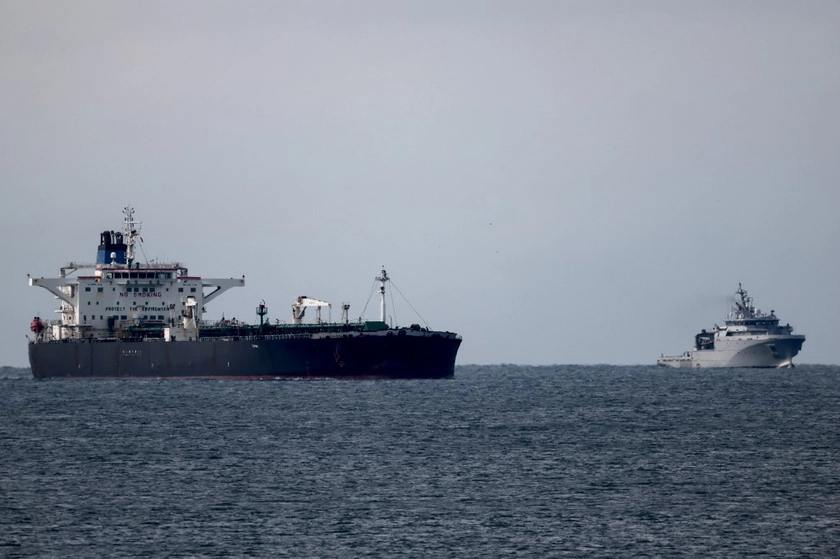
The executives sought to protect their operations in Kazakhstan after Ukrainian forces struck four tankers near the Russian Black Sea port of Novorossiysk, one of which was chartered by Chevron.
A US official cited by the WSJ stated that following the industry discussions, the administration formally warned Ukraine that attacks on non-Russian vessels in the region were unacceptable.
“The administration views the CPC [Caspian Pipeline Consortium] as a vital conduit for transporting Kazakh-origin energy resources to European markets, serving as an alternative to Russian energy resources,” the official noted.
Economic impact on Kazakhstan and global markets
The Russian port of Novorossiysk serves as a key oil export hub and the terminus of the Caspian Pipeline Consortium, a network that accounts for approximately 2% of daily global crude oil supplies.
Chevron holds a 15% stake in the CPC, which transports oil from three major fields through Kazakhstan and Russia to the Black Sea. The US company also owns a 50% interest in the Tengiz field – the most productive of the three – which represents roughly 12% of Chevron’s global crude output.
EU Allows Member States to Sell Confiscated Russian Oil in 21st Sanctions Package
While the pipeline and the oil fields remain physically undamaged, the recent drone attacks restricted crude loading operations at the Novorossiysk terminal. The bottleneck subsequently forced Kazakhstan to reduce domestic oil production due to limited storage capacity.
The WSJ noted that the Trump administration is highly motivated to ensure the uninterrupted flow of Chevron’s oil production, as recent supply constraints originating from the Middle East have driven global oil prices above $100 per barrel.
A prolonged reduction in output from the CPC network would place significant financial strain on Chevron’s regional investments, which total tens of billions of dollars.
Ukraine’s broadening maritime drone campaign
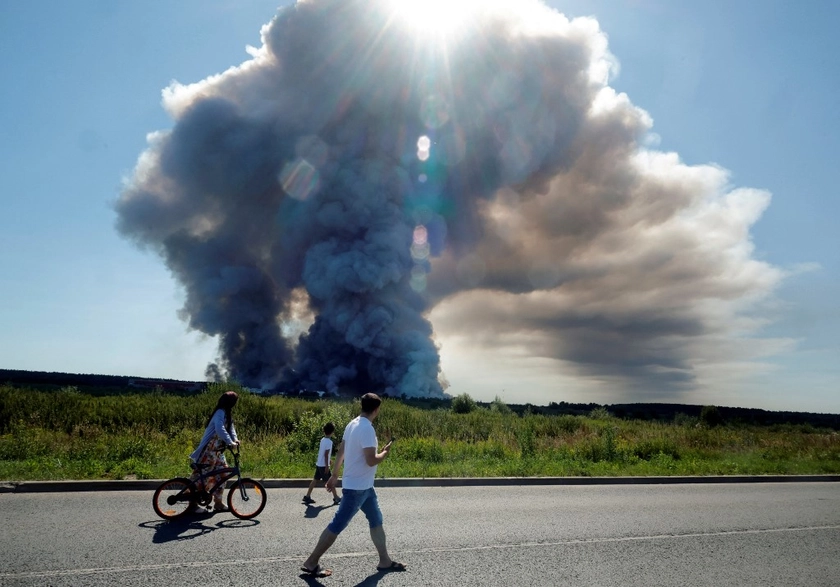
The diplomatic pressure from Washington coincides with an intensifying Ukrainian military effort to degrade Russian logistics and economic infrastructure in the Black Sea.
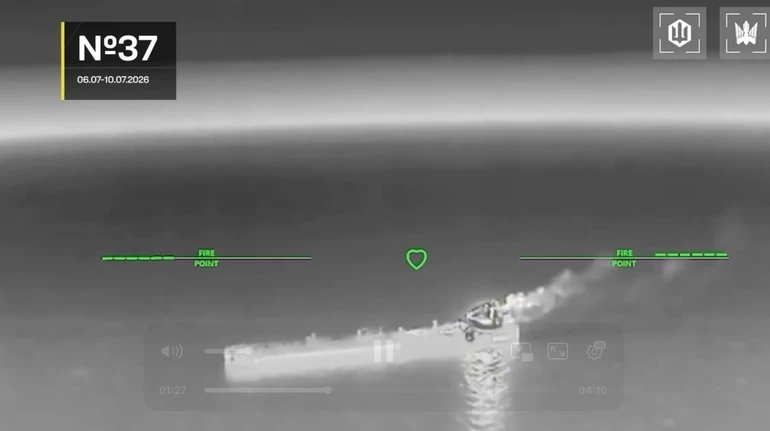
Overnight between Wednesday and Thursday, the General Staff of the Armed Forces of Ukraine (AFU) confirmed a strike on a tanker in the Black Sea, stating the vessel was transporting Russian oil and fuel for the Russian military.
The maritime strikes are part of a wider initiative. On Wednesday, Unmanned Systems Forces (USF) Commander Robert “Madyar” Brovdi reported that during a 48-hour period, Ukraine’s drone offensive struck 13 Russian ships and 13 energy facilities in occupied Crimea.
Brovdi added that the operation, dubbed “Molochka,” also targeted 13 “Shadow Fleet” vessels – including tankers, dry cargo ships, and floating cranes used by Moscow to evade Western sanctions – bringing the total number of vessels hit during the 13-day campaign to 172.
The sustained pressure on the region’s military and logistical infrastructure has reportedly prompted Russian occupation authorities to prepare for the possible evacuation of the families of Black Sea Fleet personnel and civilian military employees from occupied Crimea.
You can also highlight the text and press Ctrl + Enter