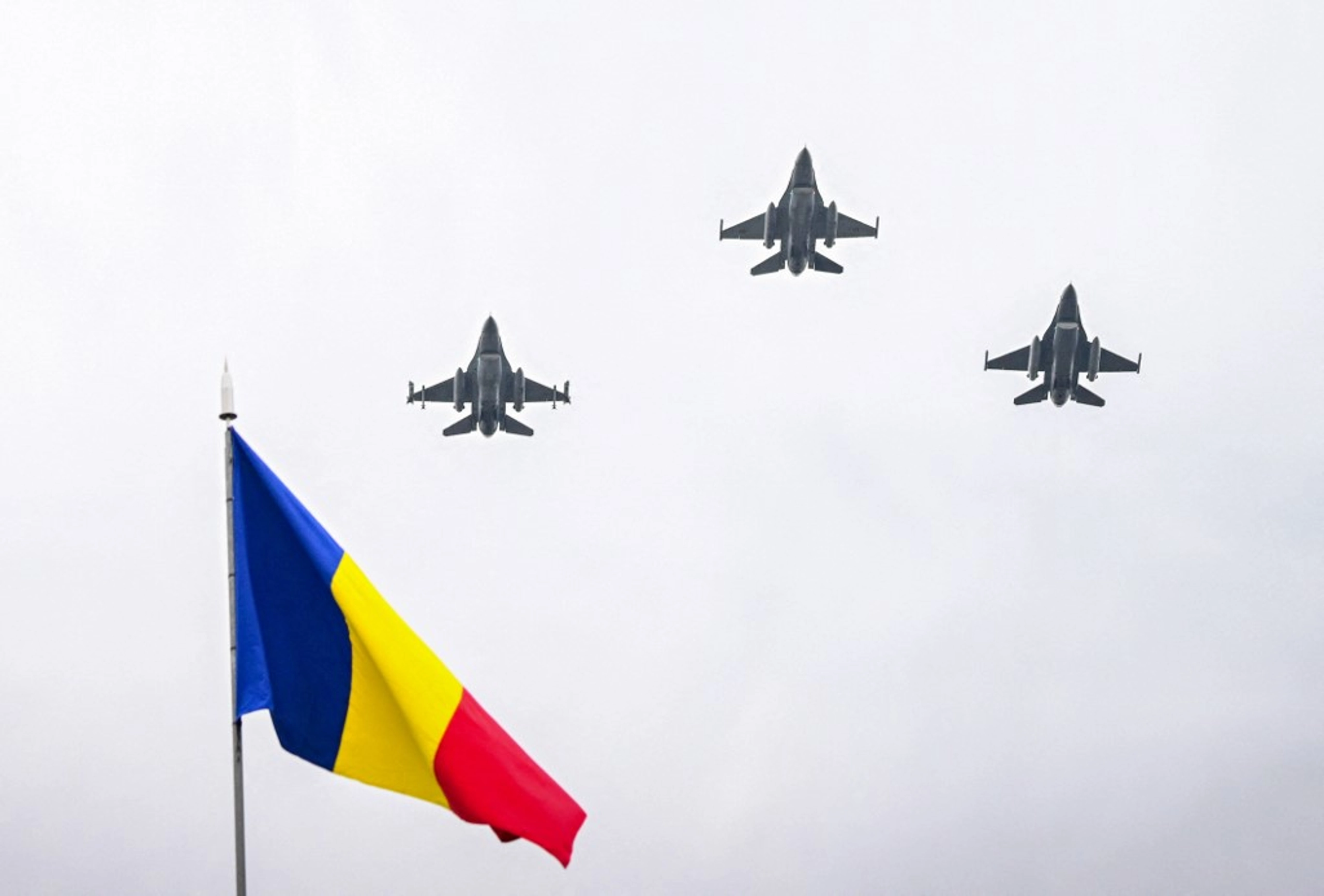
Romania ordered a Russian embassy employee to be expelled in what its foreign ministry called a “firm response” to drones repeatedly breaching the NATO member’s airspace along the Ukrainian border.
According to Romania’s foreign ministry, authorities summoned Russian Ambassador Vladimir Lipayev on Monday, July 27, to notify him of the decision. AFP reported that, during the meeting, Lipayev was also shown fragments of the first drone shot down on Friday, July 24, confirming it was indeed a Russian drone.
JOIN US ON TELEGRAM
Follow our coverage of the war on the @Kyivpost_official.
Lipayev was informed that the foreign ministry had decided to “declare a member of the Russian Federation’s mission in Bucharest undesirable,” requiring him to “leave Romanian territory within five days.”
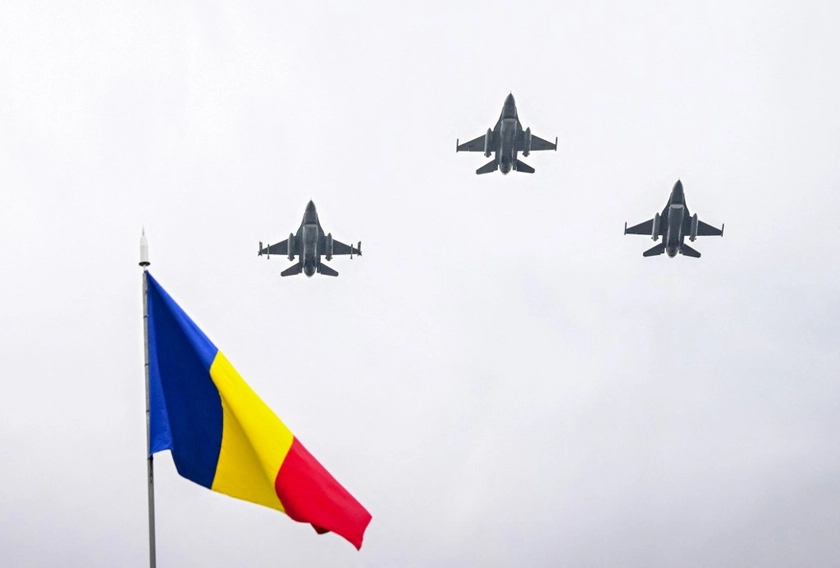
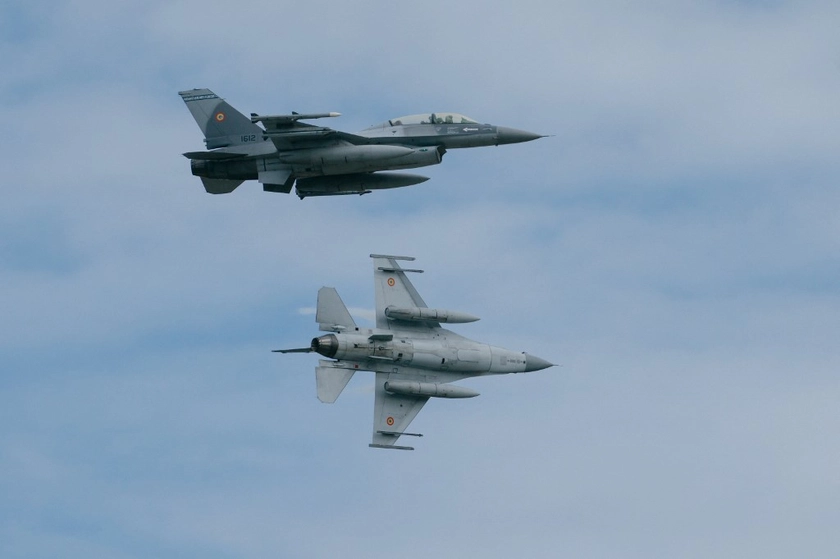
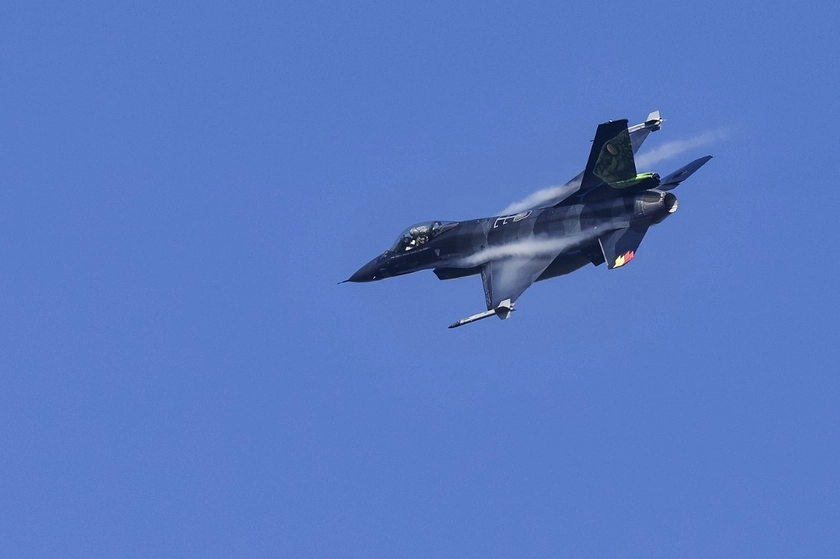
The move came after Romanian forces shot down three drones over the weekend, the last of which was intercepted by a Romanian F-16 fighter jet over the country’s territorial waters near the Sulina-Chilia area on Sunday morning, July 26. The interception marked the third such incident over the course of three consecutive days.
Drone identified as Russian Shahed model
Romanian President Nicușor Dan confirmed on July 26 that an investigation by the Prosecutor General’s Office identified the first drone, downed on July 24, as a Russian Shahed-type drone – the same munition that Moscow has used extensively throughout its war against Ukraine.
“It is unacceptable that the Russian Federation continues to violate Romania’s airspace, which is simultaneously NATO and European Union airspace. Such actions are unacceptable, and we, together with our allies, treat them with the utmost seriousness,” he said.
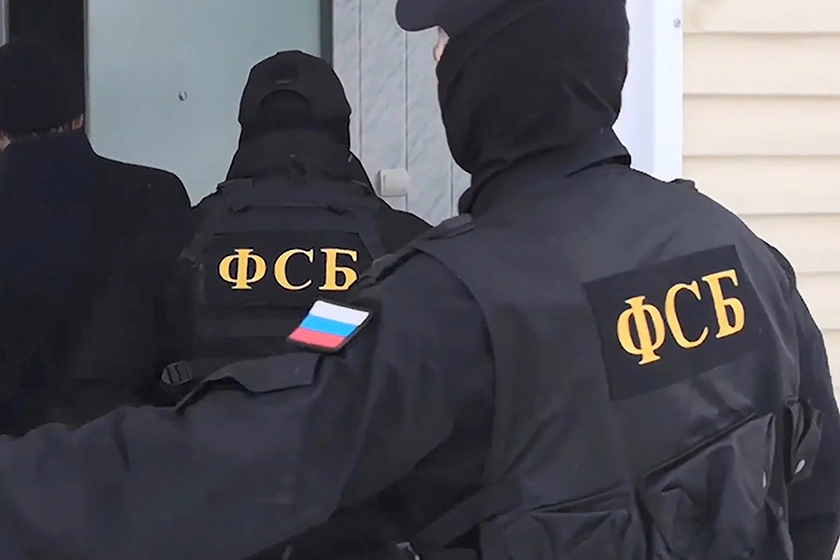
Russia Arrests Man Accused of Spying for New Zealand
Investigations into the two additional drones shot down on Saturday, July 25 and Sunday, July 26 remain ongoing, though a senior NATO military spokesperson said on Sunday that one of them also appeared to be of Russian origin.
Previous incidents caused injuries
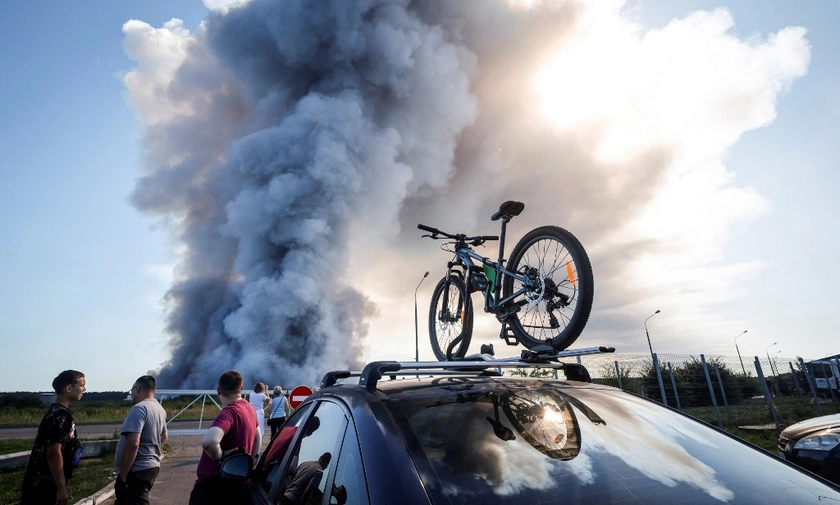
Radar systems detected an aerial target roughly 20 kilometers (12.4 miles) east of Sulina on the Black Sea coast on Friday, July 24. The drone entered Romanian airspace and traveled over Sulina, Brăila, and Fetești.
Two Italian Air Force Eurofighter Typhoons deployed at Mihail Kogălniceanu Air Base were scrambled to intercept the target, engaging the drone but failing to destroy it. A Romanian F-16 from the 86th Air Base then fired an air-to-air missile, destroying the target over a wheat field near Padina in Buzău County.
It was the country’s first such shootdown since Russia’s full-scale invasion began. NATO praised the joint Romanian-Italian response as evidence of the alliance’s “24/7” readiness.
On Saturday morning, July 25, Romanian forces intercepted another drone approximately 10 kilometers (6 miles) west of the city of Sfântu Gheorghe, downing it in an unpopulated area using standard neutralization procedures.
While the latest incidents passed without casualties, a Russian drone that crashed onto the roof of an apartment building in Galați in May injured two people and prompted the evacuation of at least 70.
The drone incursions came as NATO members increasingly condemned Russia’s escalating attacks on Ukrainian civilian infrastructure, with alliance authorities warning that Moscow’s aggression could extend well beyond Ukraine’s borders.
European Union’s foreign policy chief Kaja Kallas condemned Russia’s most recent attack on Sloviansk on Friday, July 24, in which Russia deliberately struck Latvia’s Honorary Consulate. In response, she said, the EU is expected to summon Russia’s envoy, while she intends to propose additional sanctions targeting Russia’s military-industrial complex.
You can also highlight the text and press Ctrl + Enter

Romanian F-16 Downs Unidentified Drone During Russian Strike on Ukraine