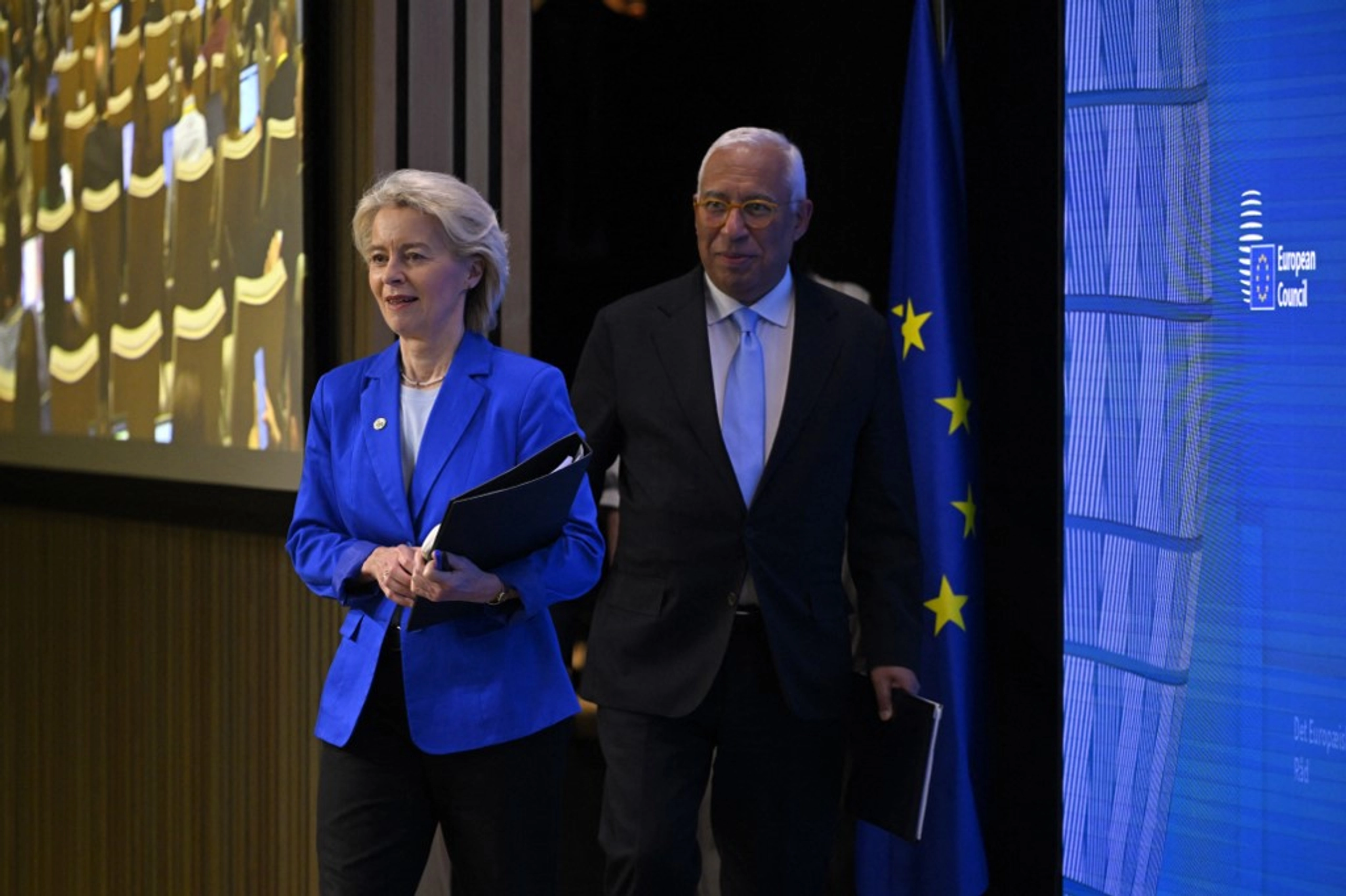
The EU is reportedly considering dropping its current sanctions package approach against Russia due to the misuse of veto powers, which has resulted in lengthy delays.
At present, each sanctions package against Russia is adopted at the EU level, requiring unanimity among all 27 member states. This has allowed member states to bargain for more favorable terms to shield their own interests by using their veto powers.
JOIN US ON TELEGRAM
Follow our coverage of the war on the @Kyivpost_official.
According to the Financial Times (FT), one idea under consideration is to adopt sanctions individually at the national level or break them down into smaller packages to avoid delays caused by disagreements over one of the many aspects of the packages.
The FT said the idea is championed by the European Commission and some of Ukraine’s staunchest allies within the bloc.
“It’s now very clear that this approach does not work any more,” one unnamed European official told the FT, adding that the package passed on Thursday might be “the last ‘package’ of sanctions.”
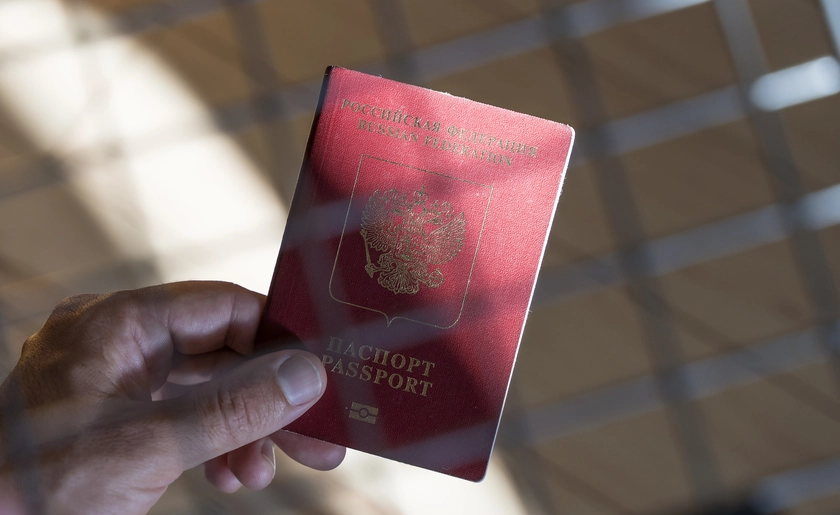
The EU adopted its 21st package of sanctions against Russia on July 23, with measures ranging from a $44 per barrel Russian oil price cap and allowing member states to sell confiscated oil to a visa ban for Russian combatants.
Earlier reports said the package was held up by various member states due to disputes over measures affecting their economic interests – such as Bulgaria’s insistence on dropping Patriarch Kirill of Moscow’s Orthodox Church from the sanctions list and Vienna’s objections to measures that could affect Raiffeisen Bank’s operations in Russia.
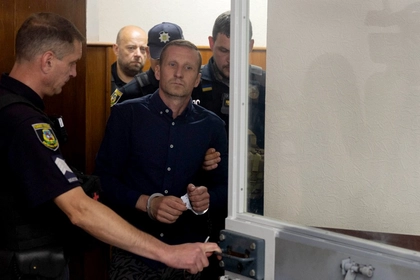
Organizer of Deadly Kyiv Defense Exhibition Held for 60 Days After Russian Strike
But the last to drop its veto was Greece, which fought hard against measures that could affect its shipping industry, according to the FT.
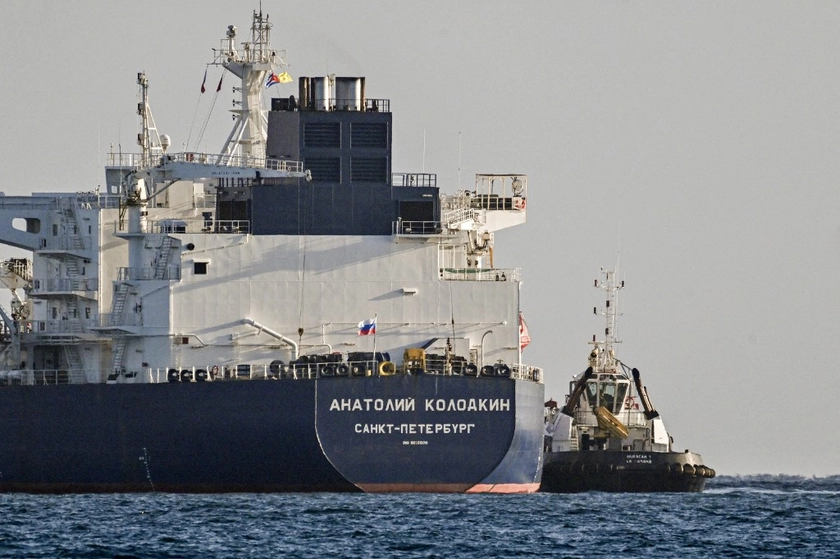
The outlet said Athens spent weeks pushing for an exemption that would allow the country’s Dynagas ships, owned by a Greek billionaire, to move lucrative Russian liquefied natural gas (LNG).
The FT noted that the exception is to be applied to an unrelated sanction, already agreed in October 2025, that bans EU vessels from ferrying Russian LNG to non-EU states starting January 2027 – the same time when the EU’s cutoff on Russian energy comes into effect.
The FT said Athens had succeeded, with the resulting exception marking a weaker state than before the latest package was adopted.
The veto tactic was commonly used by Hungary under the administration of former Prime Minister Viktor Orbán, with leaked communications suggesting Budapest had lobbied on the Kremlin’s behalf to delist Russian individuals from sanctions.
While the new administration in Budapest has vowed to rid itself of Russian influence and refrain from misusing its veto powers, it appears the issue extends beyond Hungary.
“I don’t want to hear anyone talk about ‘solidarity’ any more,” one unnamed EU official was quoted as saying by the FT following the latest vetoes by Greece.
You can also highlight the text and press Ctrl + Enter