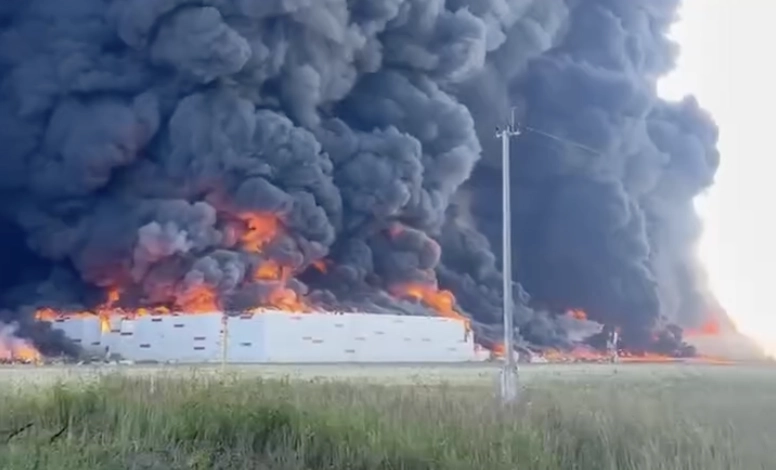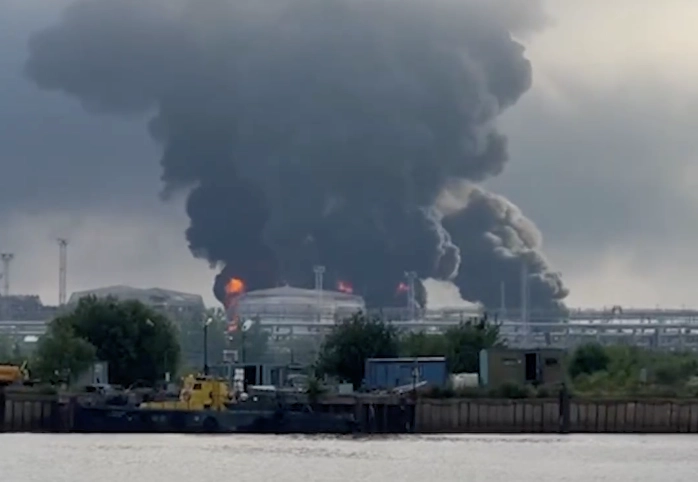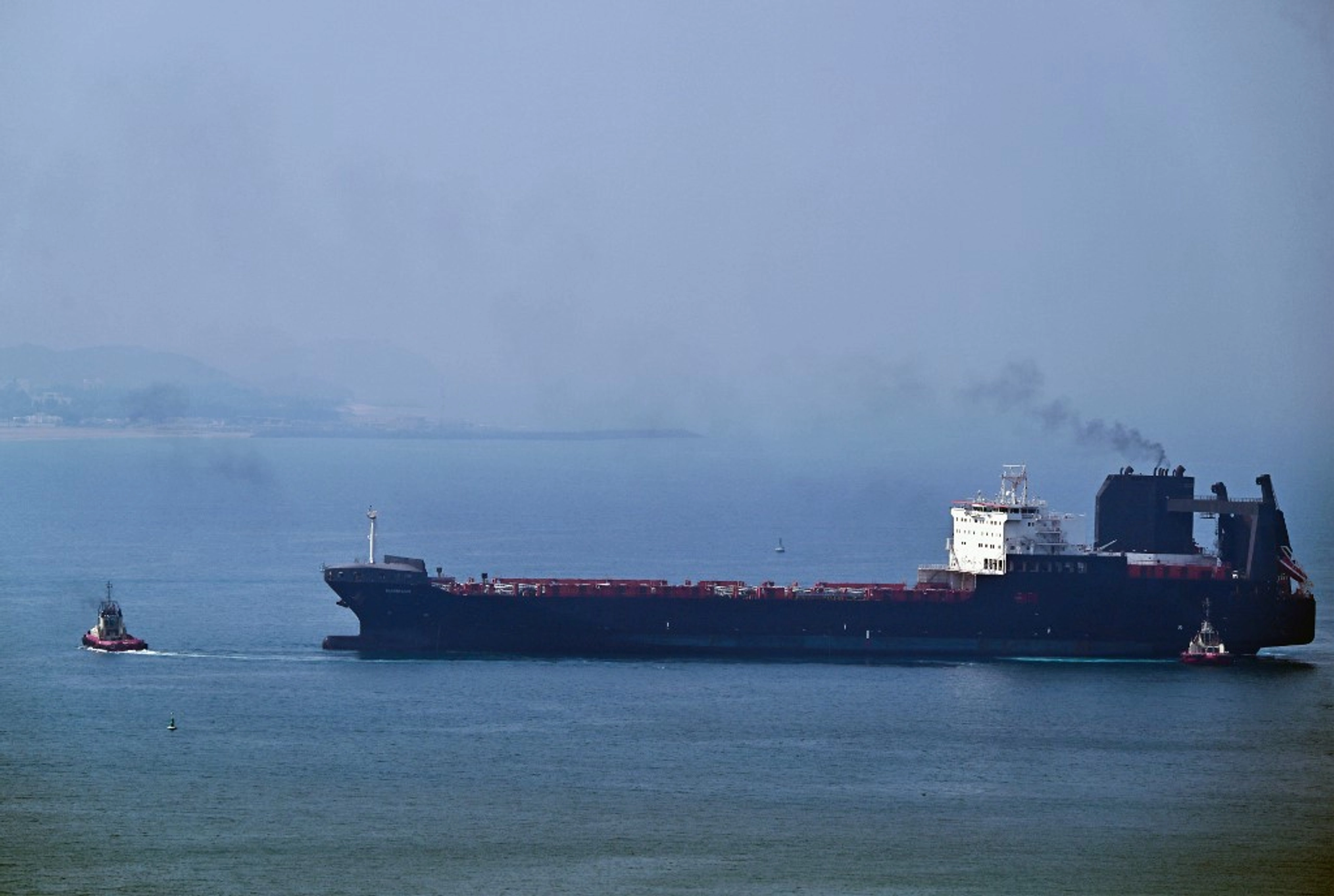
A sanctioned tanker belonging to Russia’s shadow fleet is reportedly spilling oil in a marine conservation area off the coast of Oman, highlighting the environmental hazards posed by the aging vessels utilized to bypass Western sanctions.
According to Reuters, the tanker Caroline Bezengi loaded Russian oil at the port of Novorossiysk before departing on its current voyage. The vessel last broadcast its location via the public Automatic Identification System (AIS) on June 11 near the coast of Yemen.
JOIN US ON TELEGRAM
Follow our coverage of the war on the @Kyivpost_official.
Imagery captured between July 2 and July 13 by Copernicus Sentinel-1 and Sentinel-2 satellites shows a likely oil spill contaminating waters in a bay southwest of Al-Qibliyah island. Three independent experts – John Amos of SkyTruth, Leon Moreland of the Conflict and Environment Observatory, and Louis Goddard of Data Desk – told Reuters the imagery is consistent with an oil spill.
Shipping databases list the vessel’s owner as the Shanghai-based company Rentoor Shipmanagement. While the exact cause of the leak remains unconfirmed, two maritime security sources reported that the tanker experienced operational difficulties on June 8 off the coast of the southern Yemeni port of Mukalla.
The EU and the UK previously sanctioned the Caroline Bezengi for its involvement in transporting Russian oil. Russia increasingly relies on poorly maintained, older tankers – collectively referred to as the shadow fleet – to sustain its petroleum exports amid international restrictions.
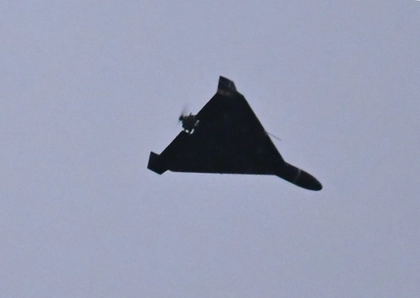
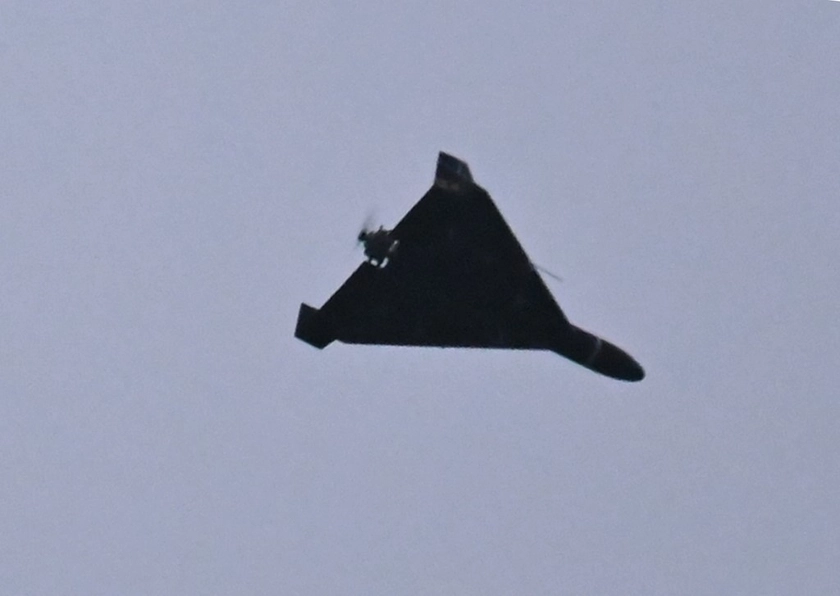
Russian Forces Shift to Low-Altitude, Manually Controlled Drone Strikes to Evade Air Defenses
Ukraine’s campaign
The environmental incident in the Gulf region contrasts with Ukraine’s stated operational parameters for its ongoing military campaign against the Russian shadow fleet, which emphasizes disabling vessels without causing ecological disasters.
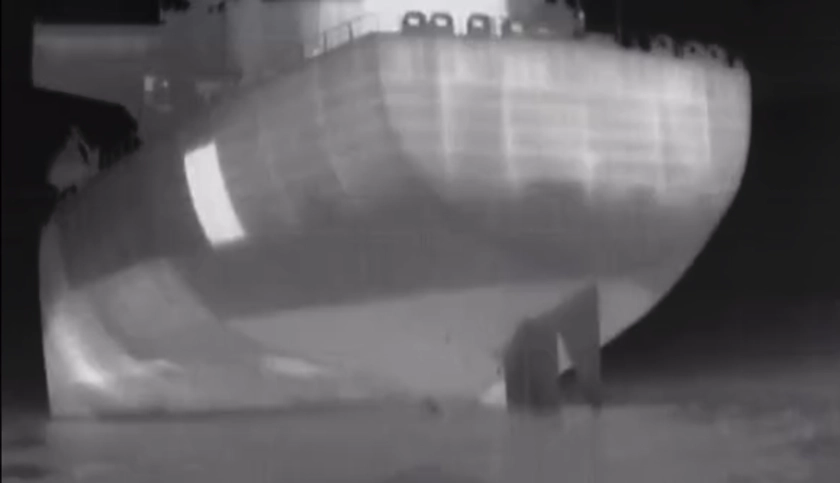
On Saturday, July 18, Ukraine’s Unmanned Systems Forces (USF) struck an additional 13 vessels linked to the shadow fleet in the Black and Azov Seas. The targeted assets included eight dry cargo ships, one oil tanker, one gas carrier, one tugboat, and two floating cranes.
USF Commander Robert “Madyar” Brovdi reported that this latest attack brings the total number of vessels hit during Operation “Molochka” to 172. Since the campaign began on July 6, the USF has targeted 118 vessels in the Sea of Azov and 54 in the Black Sea.
The operation specifically targets Russia’s “feeder fleet” – smaller flat-bottomed tankers that transport oil through the Volga-Don Canal and the shallow waters of the Sea of Azov to larger deep-draft vessels waiting in the Black Sea. Disabling these feeder vessels and their tugboats also restricts the delivery of fuel to the Crimean peninsula.
Brovdi stated the primary objective is to paralyze this logistics network by disabling the vessels’ propulsion and navigation systems, deliberately avoiding sinking the tankers to prevent the type of pollution currently observed off the coast of Oman.
“The goal is the irreversible paralysis of oil, fuel, and cargo logistics used to bypass sanctions,” Brovdi reported. “We want every self-propelled vessel to become a drifting barge – blind and deaf. The objective is not to pollute the sea with oil spills, so we are not sinking them.”
You can also highlight the text and press Ctrl + Enter

OPINION: The Bill for Crimea Comes Due for Putin