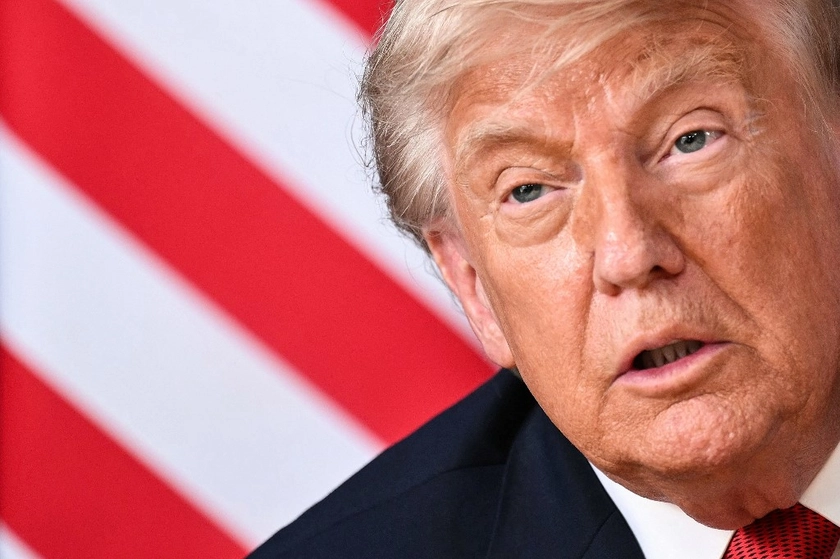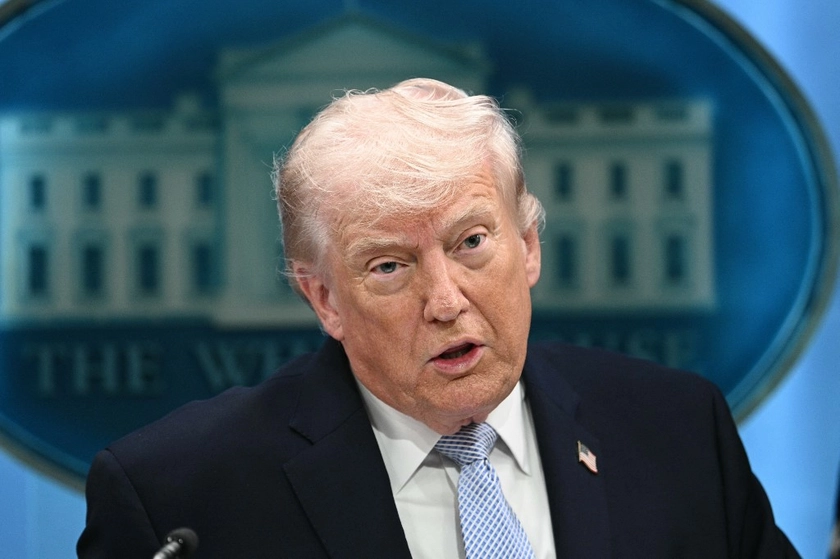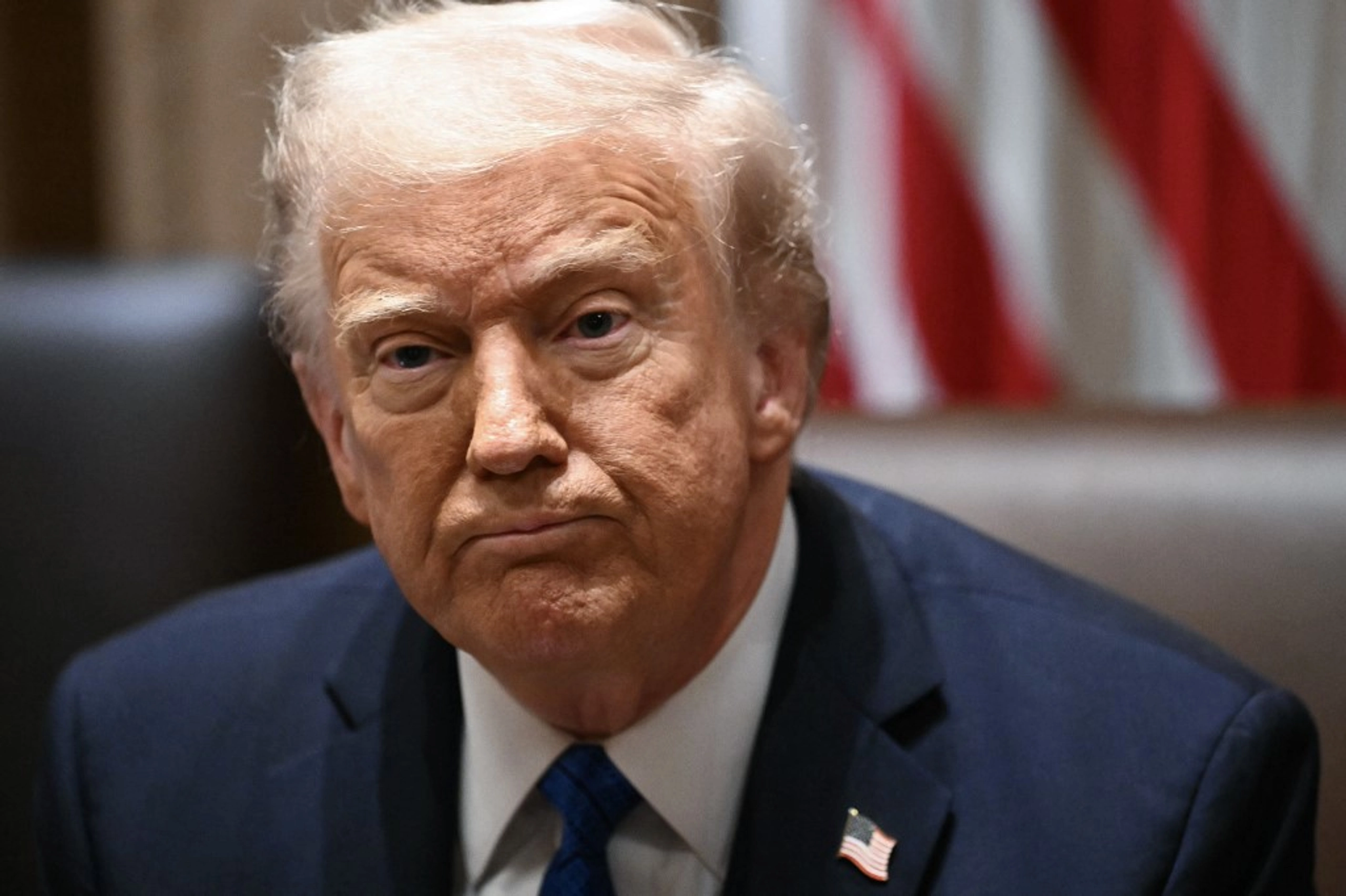
US President Donald Trump didn’t just rewrite America’s foreign policy – he tried to reprogram it. He pulled the US out of alliances, slapped tariffs on allies and rivals alike, praised dictators, and flirted with tearing up the Constitution itself. It all looked chaotic.
But there’s a method buried inside the madness.
JOIN US ON TELEGRAM
Follow our coverage of the war on the @Kyivpost_official.
To understand how Trump sees the world – and how he plans to rule it – we have to look at the people he admires most. Three names appear again and again in Trump’s worldview: William McKinley. James K. Polk. Vladimir Putin.
Each represents a different kind of power. Together, they form a map of Trump’s ambition:
Economic control. Territorial expansion. Absolute authority.
The ghost of McKinley in Trump’s America
In 2015, former US President Barack Obama renamed North America’s tallest mountain, Denali, restoring its Native Alaskan name and erasing the label “Mount McKinley.”
Trump was outraged. “I will change it back!” he vowed. For Trump, this wasn’t about geography. It was about legacy.
William McKinley was more than a name on a mountain. He was the last 19th-century president – a man of tariffs, trusts, and empire. He waged the Spanish-American War, ushered in the US as a global power, and protected industrial oligarchs with economic nationalism dressed up as patriotism.
Trump sees himself in that mirror.
US Congress Can Make Russia Pay for Its War Crimes
Like McKinley, Trump weaponized tariffs. But while McKinley used them to protect American manufacturing – particularly in the North and Midwest – and to raise revenue through trade restrictions instead of income taxes, his goal was nation-building: To strengthen domestic industry, reduce dependency, and reward allies in the business class.
Trump, on the other hand, used tariffs as leverage – or as a racket. He claimed they would protect American jobs, especially in manufacturing and farming, but he also understood that the US is the world’s richest consumer market. And he knew that every country wanted access.
So he put a price on the gate. He essentially said, “Want the tariffs gone? Give us something big.”
It isn’t a policy. It’s deal-making by pressure – the kind that says: Everything is for sale, even trust.
The parallels between two presidents go deeper. McKinley’s presidency was backed by tycoons, railroads, and steel barons. Trump is an oligarch himself, surrounded by billionaires, donors, and loyalists. Both governed with one hand on the economy and the other in the pockets of the powerful.
And then there’s the shadow of violence. McKinley was assassinated in 1901 by a man who saw him as the face of inequality and empire. Over a century later, Trump emerged from an attempted assassination – a bullet grazing his ear – and immediately rebranded himself as a martyr for the people. History doesn’t repeat, but sometimes it stalks.
Polk: The empire builder Trump wishes he could be
If McKinley represents Trump’s economic instincts, then President James K. Polk is his model for territorial ambition.
Polk was the expansionist president who annexed Texas, provoked war with Mexico, and seized the American Southwest. He fulfilled “Manifest Destiny” – and left the country much larger than he found it. A one-term president, he didn’t seek reelection. He didn’t need to. He had rewritten the map. After winning the 2024 election, Trump had a portrait of Polk brought into the Oval Office – a symbolic gesture rarely noticed by the press. But in Trump’s political theater, symbols are signals. Polk wasn’t just décor.
He was a blueprint.
Trump has repeatedly praised Polk, admiring how he got things done, fought short, successful wars, and left a permanent mark. Trump likes presidents who take.
Almost immediately after assuming presidential powers, Trump proposed the idea of making Canada the 51st state, blurring the line between a neighbor and a possession.
He also became obsessed with Greenland, first calling to buy it from Denmark, then escalating his rhetoric into something more aggressive – talking like a man preparing for a hostile takeover.
And he expressed interest in retaking the Panama Canal, suggesting the US never should have “given it away.”
Trump doesn’t see sovereign nations – he sees assets, strategic locations, and real estate deals waiting to be closed. It’s Polk-style expansionism for a man who built his name on buildings, brands, and golf courses.
Putin: The power Trump respects most
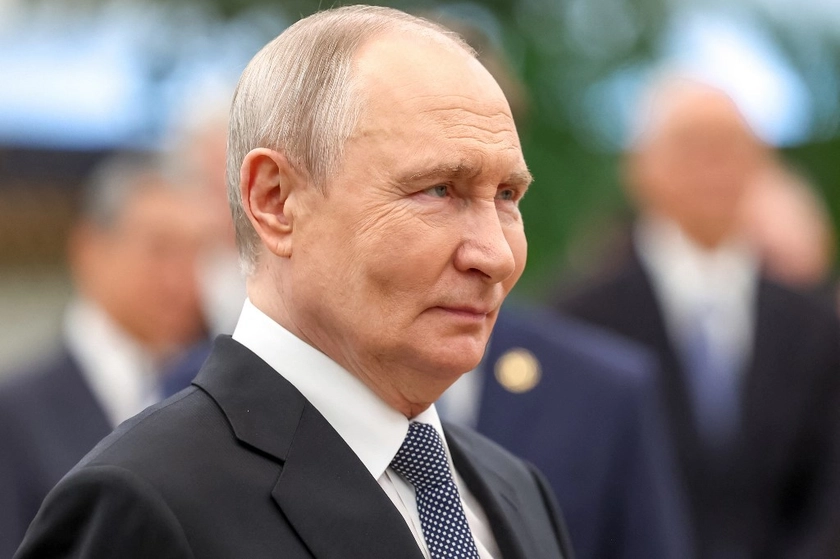
Then there’s the Russian leader – Trump’s clearest, most dangerous role model.
He has long spoken admiringly of Putin’s leadership style. After Russia invaded Ukraine in 2022, Trump called the move “genius.”
“He declares a big portion of Ukraine… independent. Oh, that’s wonderful. So Putin is now saying, ‘It’s independent’ – a large section of Ukraine. I said, ‘This is genius.’”
“He’s doing things the way I would do them,” Trump once said.
What Trump admires isn’t just strength – it’s control. Putin doesn’t answer to courts, parliaments, or the press. He rewrote Russia’s constitution, jailed rivals, and held onto power through deception and force.
Trump has openly fantasized about the same kind of dominance. He doesn’t want to destroy the American system. He wants to bend it around himself – just like Putin did with Russia.
And he’s already laid the groundwork by:
- Demanding loyalty oaths from officials.
- Installing personal loyalists in the Department of Justice, intelligence agencies, and even the courts.
- Delegitimizing elections – sometimes before they even happen.
- Openly threatening political opponents with jail or revenge.
In a recent NBC interview, Trump agreed that if the constitution stops him from running for a third term, one option is for JD Vance to win, serve as president, and then “give it back” to Trump afterward.
That’s not just an offhand remark – it’s a mirror image of Putin’s maneuver in 2008, when Russian term limits forced him to step aside. He installed Dmitry Medvedev as president, became prime minister himself, and changed the constitution so that the prime minister would have more powers than the president. Then, in 2012, he won the election again and restored the full presidential powers.
Trump isn’t hiding it anymore. He wants Putin-level power in an American body – permanent. Unchecked. Surrounded by loyalists. Free from democratic “inconveniences.”
The foreign policy of Emperor Trump
Trump’s foreign policy isn’t about ideology. It’s about admiration – for strongmen, for empire builders, for oligarchs. He doesn’t just want to lead the world – he wants to own it.
That’s why he uses tariffs like blackmail.
That’s why he praises enemies and bullies allies.
That’s why he tears up norms and dreams of third terms.
To understand Trump’s foreign policy, don’t read the official documents. Read the shadows cast by McKinley, Polk, and Putin. That’s where his real playbook lives.
This was never about making America great again. It was always about making Trump permanent.
The views expressed in this opinion article are the author’s and not necessarily those of Kyiv Post.
You can also highlight the text and press Ctrl + Enter