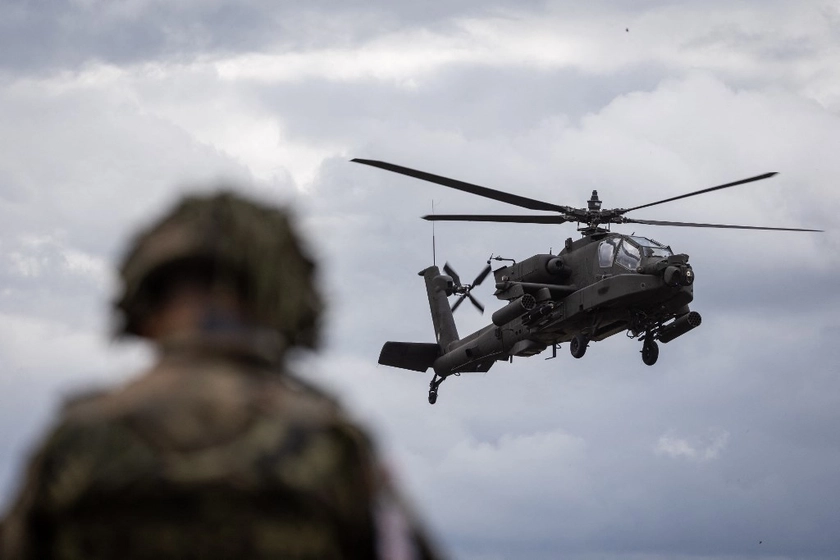
Vladimir Putin’s “special military operation” in February 2022 had several putative goals, including saving Russian speakers in the Donbas region from genocide, “demilitarizing and de-nazifying” Ukraine, and ensuring Ukraine remains a neutral state, outside of NATO. Putin’s aim to demilitarize Ukraine has not come close to being achieved, and his invasion has literally transformed the country into one of Europe’s most daunting military powers.
The arrival of Ukraine’s army as a significant military force began in 2014 when Russia first invaded Ukraine in Crimea and eastern regions. Back then, the Ukrainian nation was almost defenseless as a result of decades of neglect and corruption. Suddenly threatened with their very existence, a plan of action to modernize Ukraine’s army was quickly adopted. During the next several years the Ukrainian Armed Forces experienced a dramatic expansion, initiating a series of widespread reforms based on NATO standards.
JOIN US ON TELEGRAM
Follow our coverage of the war on the @Kyivpost_official.
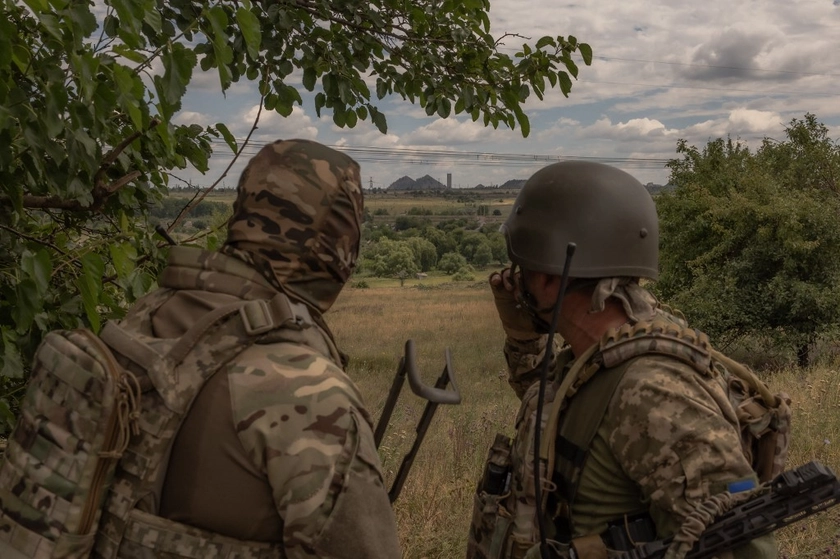
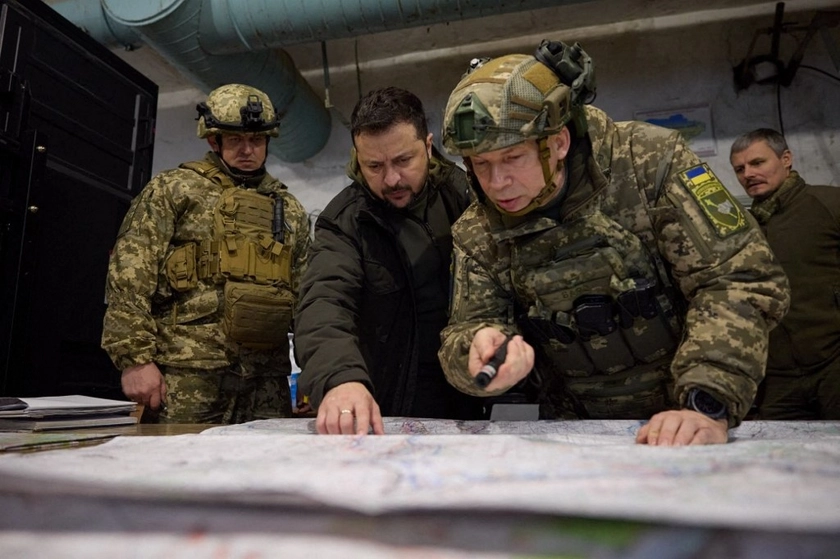
After the Russian invasion of February 2022, Ukraine’s military transformation entered a new stage. Uniformed men and women grew in ranks to some one million soldiers, making the Ukrainian army the largest in all of Europe. They have been supported by a domestic defense industry that has developed in great enormity in the last three years, currently accounting for some 40 percent of Ukraine’s military requirements.
Kasparov: Ukrainian Flag in Sevastopol Is the Shock Russia Needs to Accept Empire Is Dead
Today, Ukraine’s survival as a nation is totally dependent on its strong domestic defense sector. At the beginning of Russia’s full-scale invasion the Ukrainian government primarily relied on military assistance from the country’s Western allies. This aid helped Ukraine win some early battles, but in time proved subject to lengthy delays, leaving Kyiv vulnerable to changing political priorities within the country’s partners.
The urgency for stronger military self-sufficiency has been magnified in the past six months by the return of Donald Trump to the White House. The American president has clearly let it be known that he has no intention of providing ongoing US military support for Ukraine. Instead, he envisions a plan of downgrading total American commitment toward European security. This radical shift in US defense policy has only entrenched the intelligence of Ukraine’s initial decision to emphasize the growth of their domestic defense industry.
Ukraine’s expanding military competencies are beholden to a defense tech evolution which has been progressing in the country since 2022. Reacting to Russia’s unprovoked, full-scale invasion, hundreds of Ukrainian companies began producing innovative new technologies for the military, from software to combat drones. By concentrating their focus on somewhat simple and affordable defense tech solutions, Ukraine has successfully reduced the disparities with Russia despite the Kremlin’s overwhelming advantage in manpower, firepower and total resources.
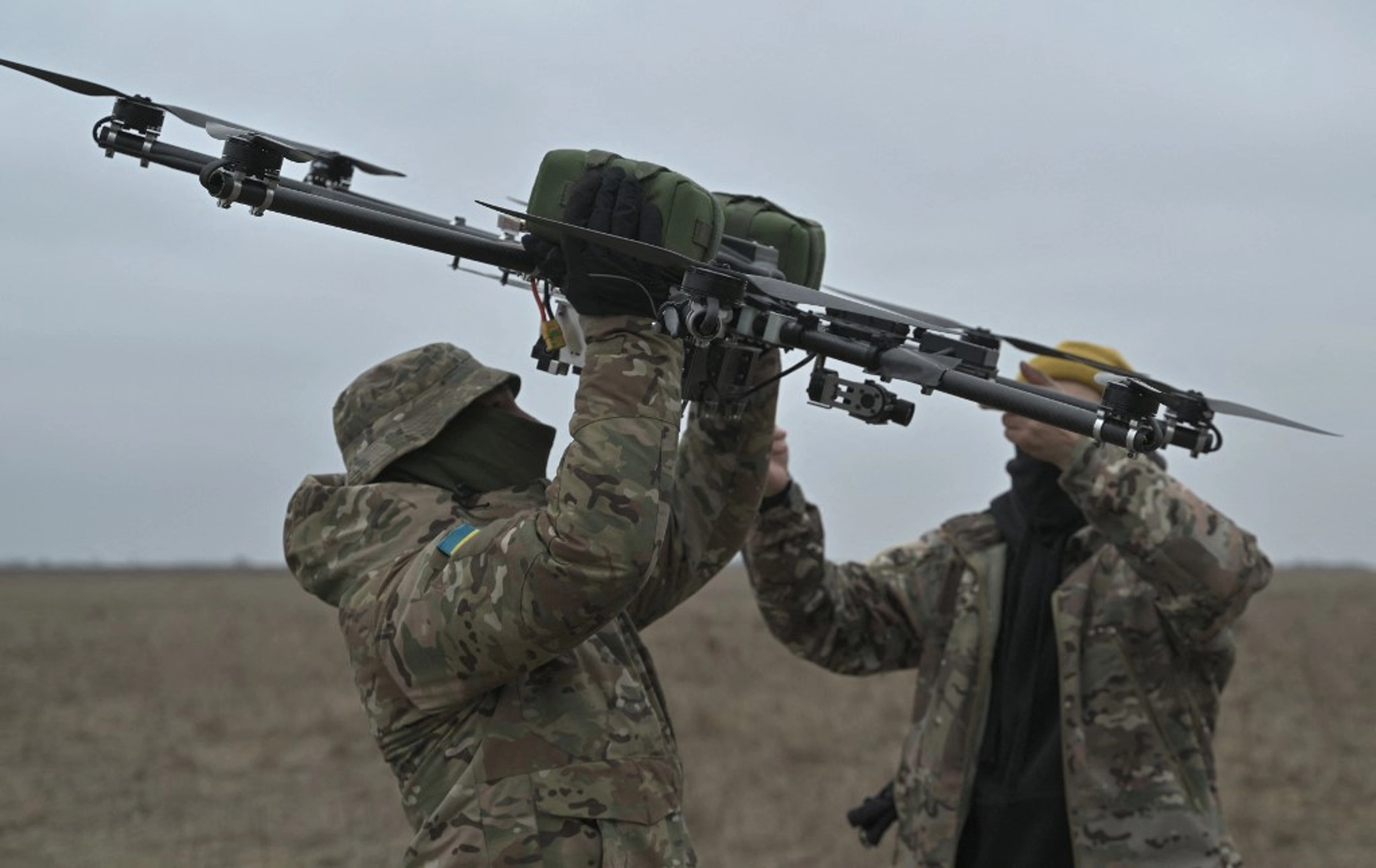
Well over three years since the onset of the Russian invasion, it is very obvious that wartime conditions have transformed Ukraine into arguably one of the most agile and probing military environments in the world. While Western arms acquisition cycles normally take a few years, Ukraine is capable of translating designs into operational weapons within a timespan of only a few months. This has pushed Ukraine to become an established global leader in drone warfare. The country’s usage of inexpensive FPV (First Person View) drones is progressively redefining the modern battlefield and reportedly now constitutes some 80 percent of total Russian casualties.
Ukraine’s domestic drone production volume is growing at an amazing rate. As per the country’s Deputy Defense Minister Ivan Havryliuk, Ukraine’s armed forces are presently receiving about 200,000 drones per month, 10 times more than was incoming from only a year ago. Kyiv is also rapidly progressing in developing many additional innovative military technologies like marine drones, robotic systems and cruise missiles.
Ukraine’s markedly enlarged armed forces and pioneering defense tech sector make the country an essential partner for Europe. European leaders today – confronted with the new political actualities of an isolationist US and an expansionist Russia – find themselves facing the harsh reality of surviving without relying on security support from the United States. In these unsettled surroundings, it is incumbent on Europe to enhance its support for Ukraine’s military while also strengthening collaboration with Ukrainian defense tech companies.
European countries are already investing in the Ukrainian defense industry, both as government benefactors and as private sector investors. This action should swell in the very near future as Ukrainians and their European allies steadily accept the premise that their shared future security depends on a closer partnership. The Russian invasion has compelled Ukraine into becoming a major military power and a top defense tech inventor. Such a standing seemingly guarantees the country a place in the middle of the European security hierarchy for many years to come.
The views expressed in this opinion article are the author’s and not necessarily those of Kyiv Post.
You can also highlight the text and press Ctrl + Enter

Russia Hit by 660-Drone Overnight Barrage Targeting Moscow, Crimea and Key Military Sites