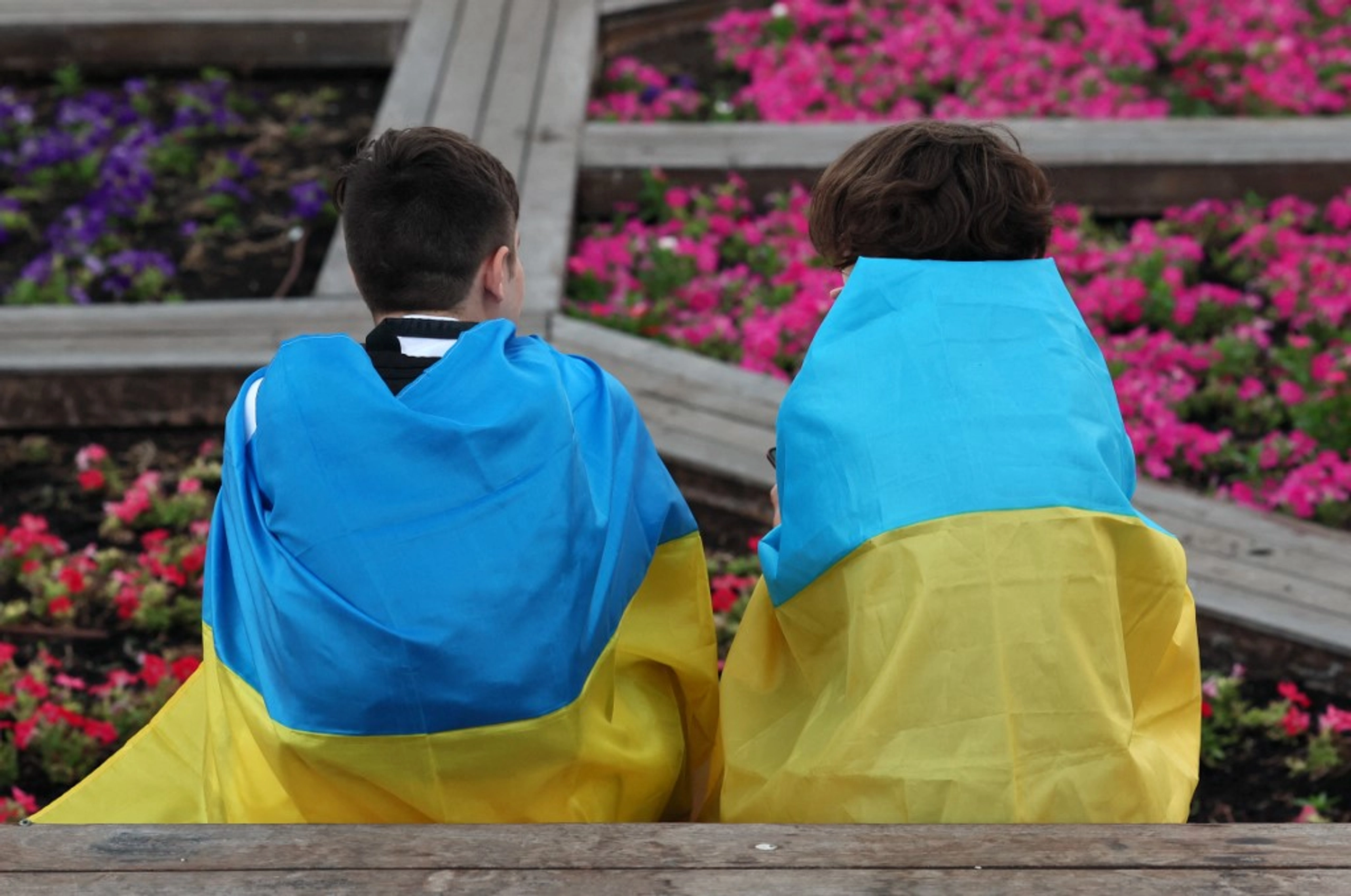
One of the gravest humanitarian crimes of this century is still receiving far too little attention: 20,570 Ukrainian children have been officially documented as unlawfully deported or forcibly transferred to Russia since the beginning of the full-scale invasion. But these are only documented cases. Some experts believe the true figure approaches 200,000 unlawfully transferred children.
Some children were separated from their families during filtration procedures in Russian-occupied Ukraine. Others were transported through organized networks into camps, boarding schools, foster systems, and so-called “re-education” programs spread across Russia and Russian-occupied territories.
JOIN US ON TELEGRAM
Follow our coverage of the war on the @Kyivpost_official.
Russian officials have attempted to justify these unlawful transfers under the guise of “evacuation” and “protection.” In truth, this is far removed from anything that could reasonably be described as humanitarian rescue. Mounting evidence points to a coordinated system designed to remove Ukrainian children from their cultural and national environment to erase their identity, language, and cultural memory.
Under the Genocide Convention, the forcible transfer of children from one group to another constitutes one of the acts that can amount to genocide when committed with genocidal intent. The Fourth Geneva Convention further prohibits the unlawful deportation and transfer of protected civilians during war. These legal protections were written after the world witnessed how authoritarian regimes attempted to erase entire peoples not only through violence, but through the destruction of identity.
Azerbaijani Opposition Leader Ali Karmili’s Detention Conditions Keep Deteriorating
According to investigations published by the Yale Humanitarian Research Lab, Ukrainian children have been transferred through an extensive network of facilities spanning Russia and occupied territories since 2022. The September 2025 Yale report identified at least 210 facilities connected to this system, including camps, cadet schools, medical institutions, orphanages, military-oriented training centers, and youth programs.
Aside from psychological trauma, many forcibly transferred children have suffered torture, coercion, physical abuse, or sexual violence as well.
These reports depict far more than temporary displacement – they reveal the structure of a long-term state project. Yale researchers documented programs aimed at political indoctrination, historical revisionism, and the systematic replacement of Ukrainian identity with Russian state narratives. In dozens of locations, children were exposed to militarized environments involving tactical drills, weapons familiarization, drone training, and military-patriotic education.
Aside from psychological trauma, many have reportedly suffered torture, coercion, physical abuse, or sexual violence as well. During a December 2025 Senate Hearing on Russia’s abduction of Ukrainian children, Senator Amy Klobuchar (D-MN) described testimony from a teenager Veronica, who suffered periods of isolation. The documentary “Children in the Fire” includes accounts of minors being incarcerated and subjected to severe abuse, including the use of electrodes under their fingernails or on their genitals. There are also documented cases of threats and violence directed at those attempting to return home to Ukraine.
Behind the institutional language are deeply human realities. Every documented case represents a child whose life was irreparably harmed: separation from parents, loss of language environment, uncertainty about home, disruption of emotional continuity, and the gradual erosion of identity through prolonged isolation from one’s culture and family.
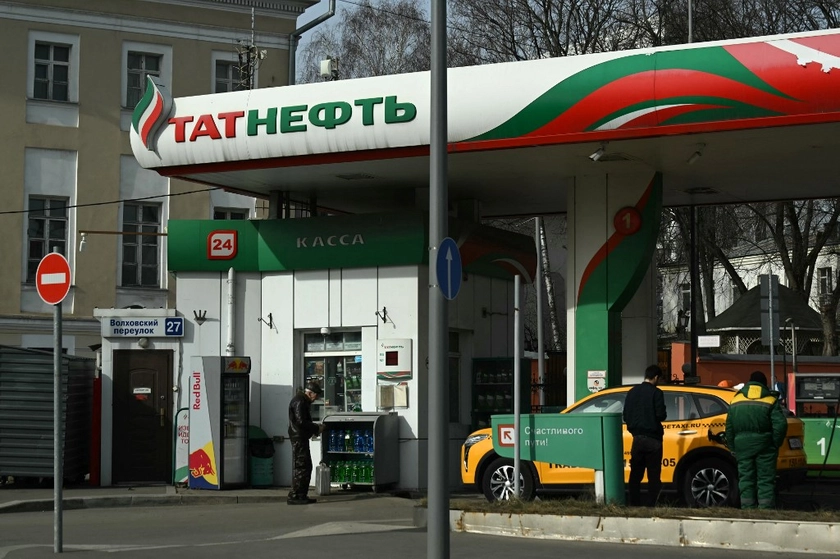
The March 2026 Yale report, Willing Accomplices: Gazprom & Rosneft’s Role in the Transport and Indoctrination of Ukraine’s Children, added another deeply troubling dimension by documenting the involvement of major Russian energy companies in parts of this system. According to the report, Gazprom and Rosneft helped facilitate or sponsor transportation, camp participation, and re-education programs involving at least 2,158 Ukrainian children between 2022 and 2025. The implications of this finding extend far beyond corporate reputation.
Gazprom and Rosneft are not politically neutral private entities operating independently from the Russian state. Both companies are deeply integrated into the Kremlin’s financial and political structure and remain among the largest contributors to Russia’s federal budget. For years, oil and gas revenues have served as one of the central financial pillars sustaining Russia’s military capacity, occupation systems, and geopolitical influence.
It becomes impossible to separate the issue of abducted children from the broader financial systems sustaining Russia’s war.
Now, evidence increasingly suggests that parts of those same state-linked corporate structures also participated in systems connected to the transfer and ideological processing of Ukrainian children. That connection fundamentally changes the conversation surrounding sanctions and accountability.
At this point, it becomes impossible to separate the issue of abducted children from the broader financial systems sustaining Russia’s war. Energy revenues, sanctions enforcement, corporate responsibility, and human rights violations are intertwined. When companies linked to state power continue generating enormous profits while structures associated with them facilitate the transfer and indoctrination of children from occupied territories, the question extends beyond economics and enters the realm of moral responsibility.
If the international community allows the forced transfer of children from one nation to another to become normalized despite clear violations of international humanitarian law and growing evidence of genocidal intent, then the damage extends far beyond Ukraine. It weakens the very idea that such crimes will ever again be treated as intolerable.
History repeatedly demonstrates that the erosion of moral boundaries rarely begins dramatically. It typically begins quietly – through fatigue, political convenience, selective outrage, or the gradual normalization of suffering that happens somewhere else to someone else.
But children cannot become bargaining tools in geopolitical negotiations. No peace agreement should move forward until thousands of children separated from their families are returned to Ukraine. The return of abducted children is a legal and moral obligation grounded in the principles the democratic world claims to defend.
And the truth is simple: if we allow one nation to take children from another – an act that constitutes genocide and violates international humanitarian law – and we fail to hold it accountable, we become complicit in the crime and open the door to similar atrocities around the world.
The future of these children will ultimately shape more than Ukraine’s future. It will help determine whether international law still carries meaning when confronted by power, war, and political convenience – or whether it survives only as language written in treaties the world no longer has the courage to enforce.
The views expressed in this opinion article are the author’s and not necessarily those of Kyiv Post.
You can also highlight the text and press Ctrl + Enter

OPINION: In High-Stakes Bluff, Putin Holds a Losing Hand
Hungary Blocks Ukraine, Moldova’s EU Membership Talks