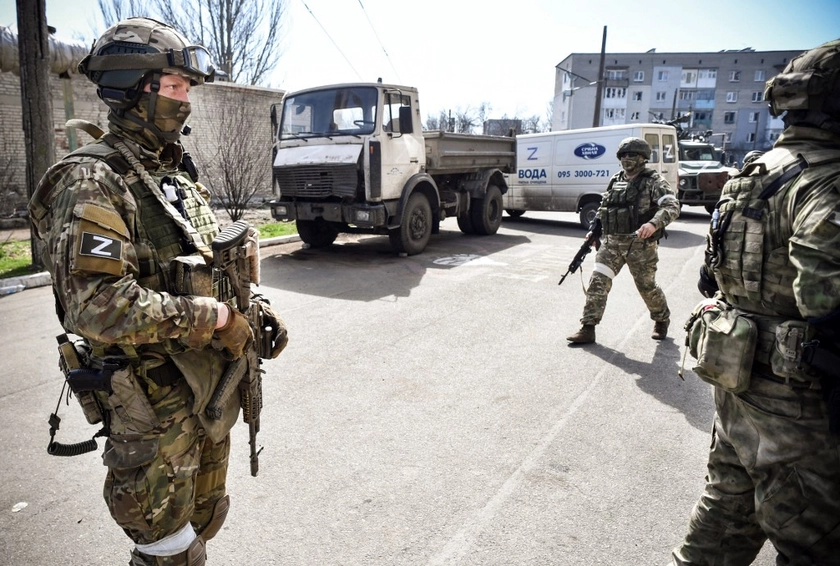
Russia’s human and materiel losses suffered during its full-scale invasion of Ukraine are “enormous” and its army will emerge from the war severely weakened, a German general has said.
In an interview published on Friday, Christian Freuding, who oversees the German army's support for Kyiv, told the Sueddeutsche Zeitung newspaper: “You know that according to Western intelligence figures, 300,000 Russian soldiers have been killed or so seriously wounded that they can no longer be mobilized for the war.
JOIN US ON TELEGRAM
Follow our coverage of the war on the @Kyivpost_official.
“The Russian losses of men and material are enormous,” said Freuding, who is also a key advisor to German Defense Minister Boris Pistorius.
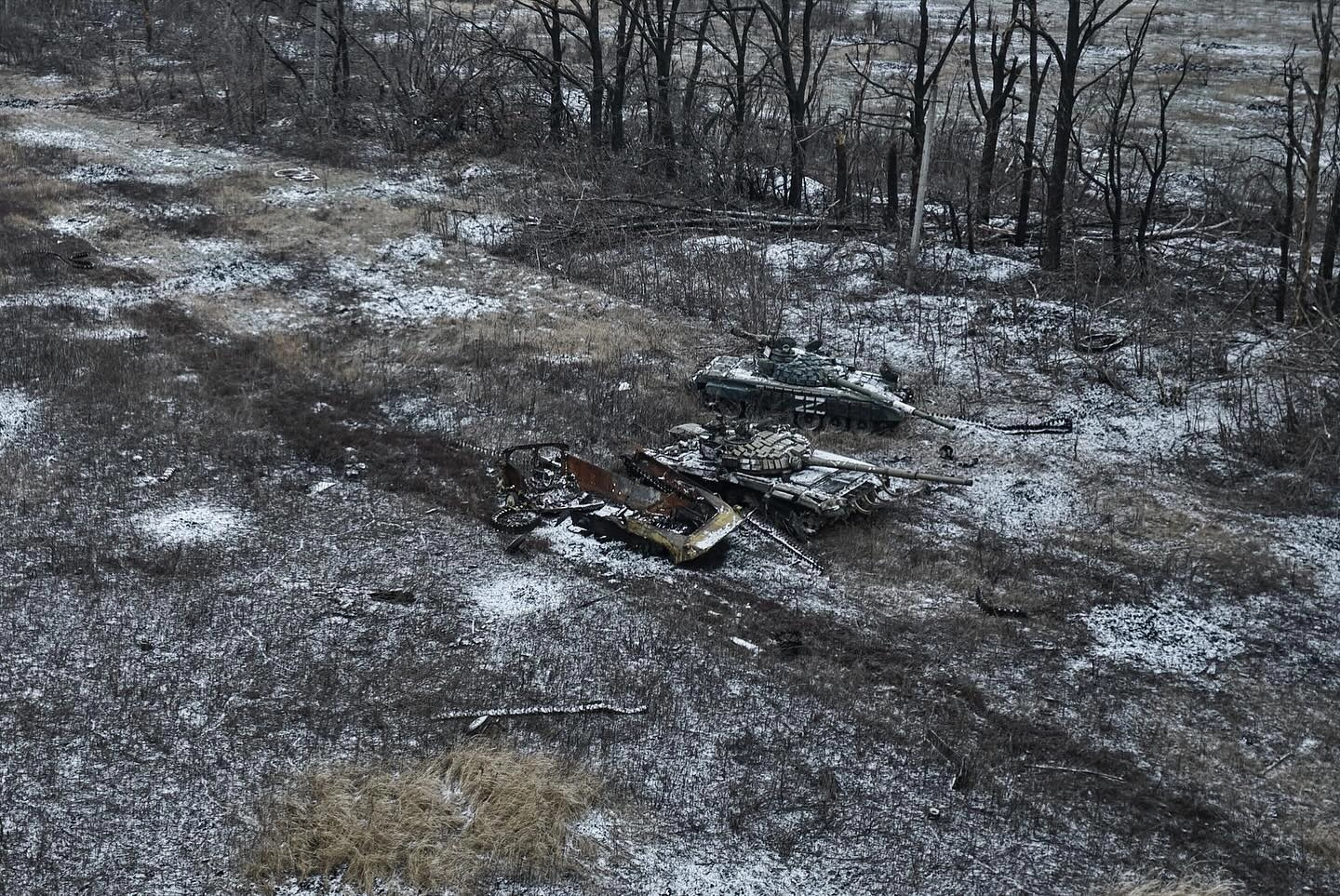
Russia is also believed to have lost thousands of battle tanks and infantry fighting vehicles, he said, adding: “The Russian armed forces will emerge from this war weakened, both materially and in terms of personnel.”
Leaked US intelligence earlier this month indicated that 315,000 Russian troops have been killed or wounded in Ukraine since the war began.
Freuding cautioned however that Russia is currently still recruiting new troops “including the use of prisoners,” and is making significant efforts to replace lost equipment, AFP reports.
“And, of course, we are seeing massive investments in the arms industry,” he said.
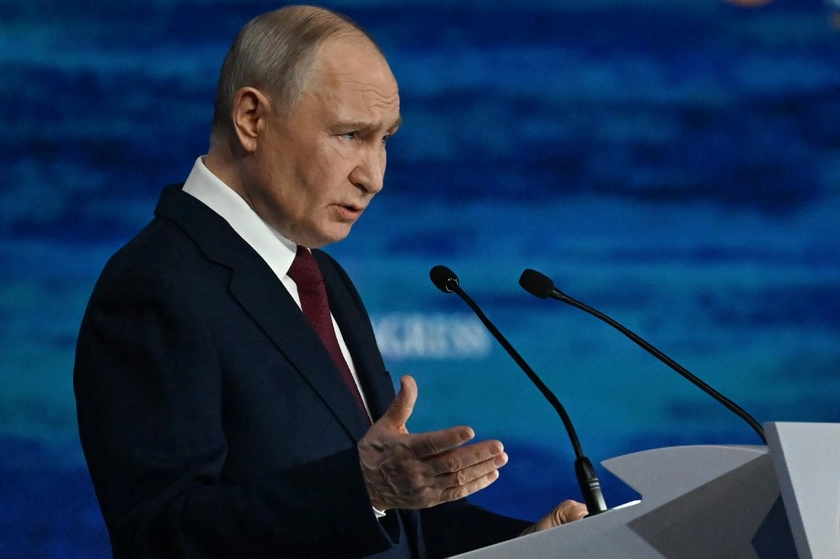
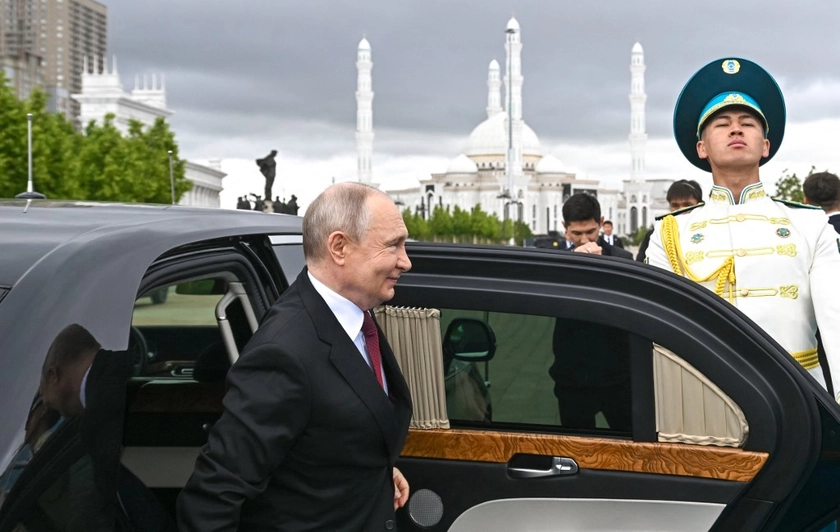
President Vladimir Putin recently said that Moscow had voluntarily recruited 486,000 men for the army in 2023 and that efforts to build up the military next year would accelerate.
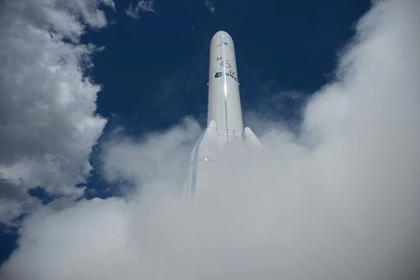
Germany Warns of Russian Orbital Nuclear Threat
And he promised to bolster Russia's defense capabilities, with the economy turned towards the war effort and the Kremlin shrugging off the impact of sweeping Western sanctions.
Freuding acknowledged that Russia was demonstrating a greater “resilience” than Western allies had expected at the start of the war.
“We perhaps did not see, or did not want to see, that they are in a position to continue to be supplied by allies,” he said.
You can also highlight the text and press Ctrl + Enter