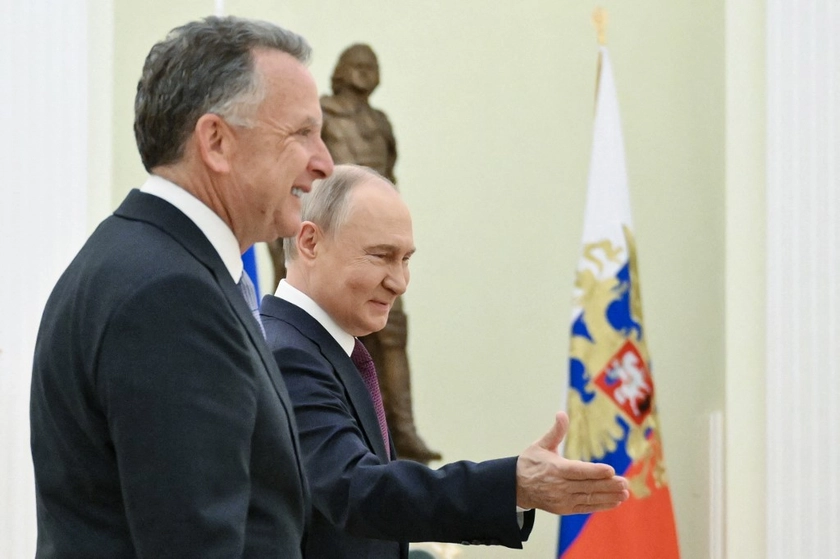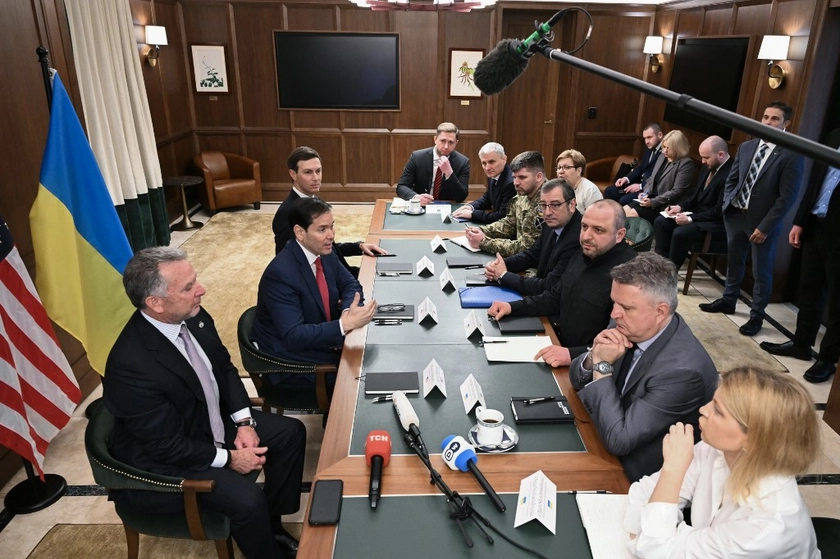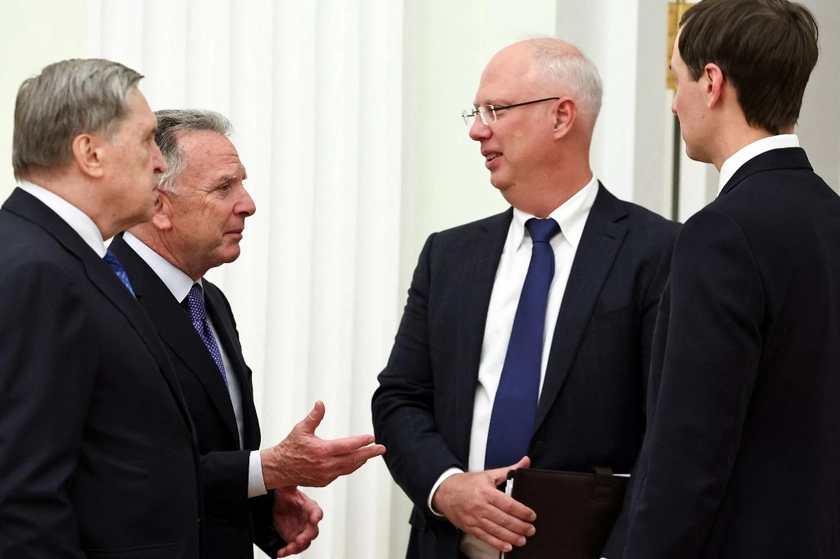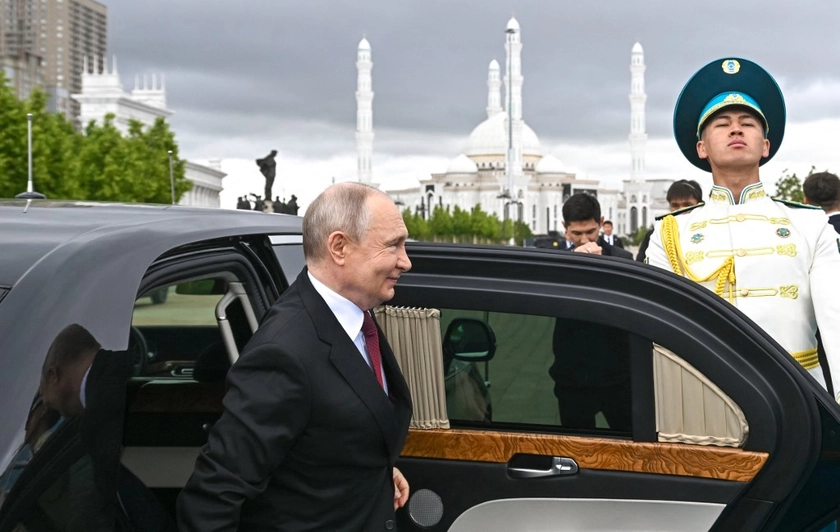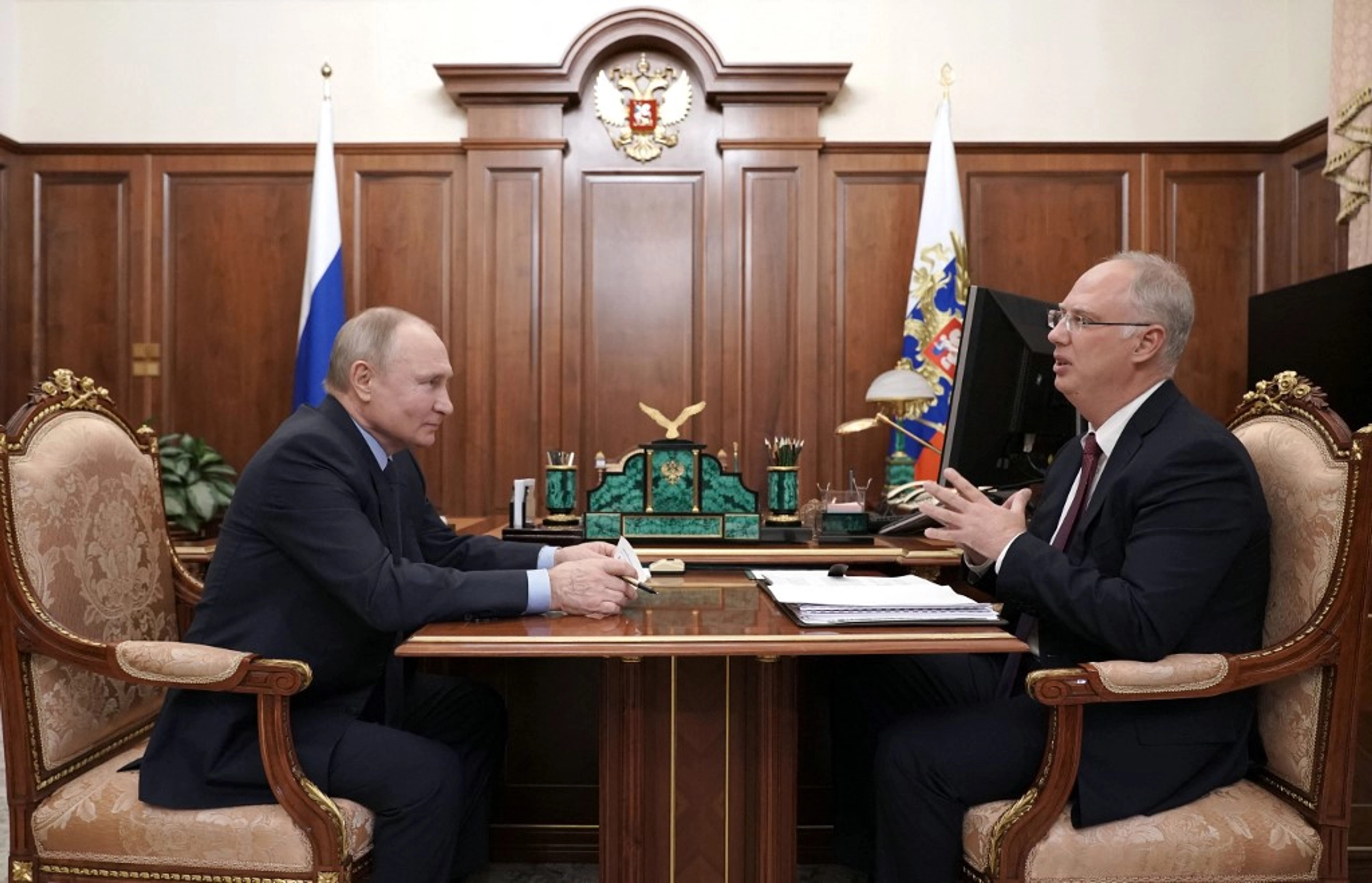
Russian autocrat Vladimir Putin’s new chief negotiator with the US, Kirill Dmitriev, met in the White House on Thursday with special envoy Steve Witkoff and said that while “disagreements remain” with the administration of President Donald Trump, the two sides “discussed possible cooperation in the Arctic, in rare earth metals, in various other sectors where we can build constructive and positive relations.”
The White House did not comment on progress made with Dmitriev, the most senior Russian official to visit Washington since Moscow’s full-scale invasion of Ukraine began in February 2022.
JOIN US ON TELEGRAM
Follow our coverage of the war on the @Kyivpost_official.
Dmitriev was born in Kyiv in 1975, but went to visit a host family in the US state of New Hampshire at the age of 14. That same year he went to live with family friends in California. He soon enrolled in a small college there and later transferred to Stanford University where he earned his Bachelor’s degree in economics. He then received his Masters in Business Administration from Harvard University.
Dmitriev went on to work as an investment banker at Goldman Sachs in New York and as a consultant at the similarly elite consulting firm of McKinsey & Company, doing stints in Los Angeles, Moscow and Prague.
He returned to Russia in 2000, and after climbing the corporate ladder in private equity there for about a decade, he was appointed as CEO of the Russian Direct Investment Fund (RDIF), a sovereign-wealth fund that invests in Russian companies.
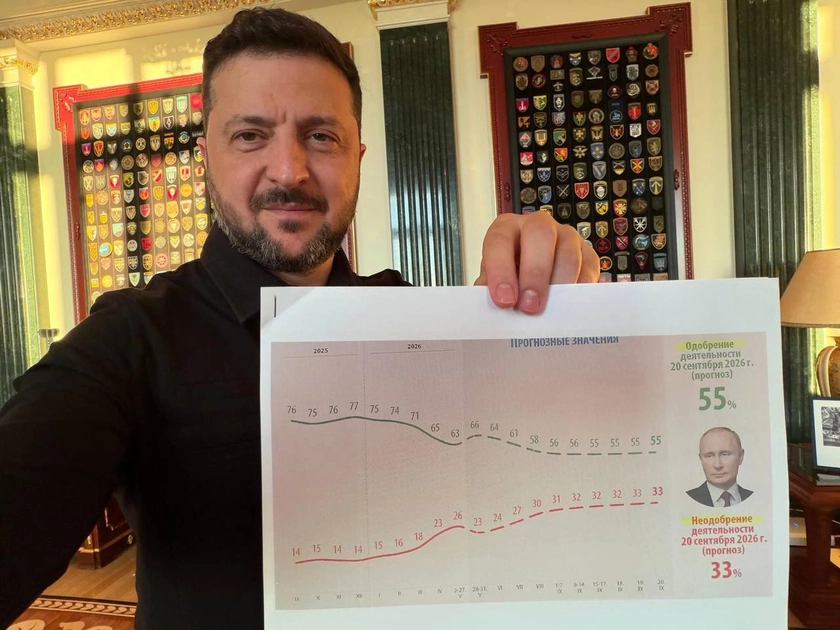
Zelensky Reveals Intercepted Intel from Putin’s Desk
The 49-year old is still the CEO of the RDIF.
In a video briefing with Russian journalists on Thursday, Dmitriev said the two sides “discussed possible cooperation in the Arctic, in rare earth metals, in various other sectors where we can build constructive and positive relations” and added that there was also “active work on restoring air travel, and we hope to make progress on this issue.”
“Of course, there are disagreements on various points, but there is a process, there is a dialogue, which in our understanding will help to overcome these disagreements,” Dmitriev said.
“It will take a number of more meetings for us to resolve all our differences,” he concluded. “The dialogue process, the resolution process, it’s going to take some time. But, at the same time, it’s definitely proceeding in a positive and constructive way.”
Dmitriev praised Trump’s tariffs on US allies, which caused a major sell-off in stock markets in New York, with the Dow Jones Industrial Average down a devastating four percent on Thursday. The administration did not name Russia as a target of Trump’s trade war (while even completely uninhabited territories such as Australia’s Heard and McDonald Islands, along with Ukraine, were subjected to 10-percent tariffs.)
Whatever your politics—dialogue between the US and Russia matters. It’s about building a more secure, more prosperous world for everyone.#Russia #USA #USRussia pic.twitter.com/idrz88IeoI
— Kirill Dmitriev (@kadmitriev) April 3, 2025
Trump told NBC News over the weekend that he was “very angry, pissed off” with Putin after he suggested President Volodymyr Zelensky be removed from power as part of a peace settlement. At the same time, he claimed to have “a very good relationship” with Putin and said “the anger dissipates quickly... if he does the right thing.”
Putin has been adamant that any progress in peace talks will depend on lifting US sanctions on Russian banks and oligarchs. Dmitriev himself was a target of those sanctions, and was allowed to visit only after the restrictions on him were temporarily eased, AFP reported.
On social media on Wednesday, Dmitriev noted: “The resistance to US-Russia dialogue is real – driven by entrenched interests and old narratives. But what if improved relations are exactly what the world needs for lasting global security and peace?”
You can also highlight the text and press Ctrl + Enter