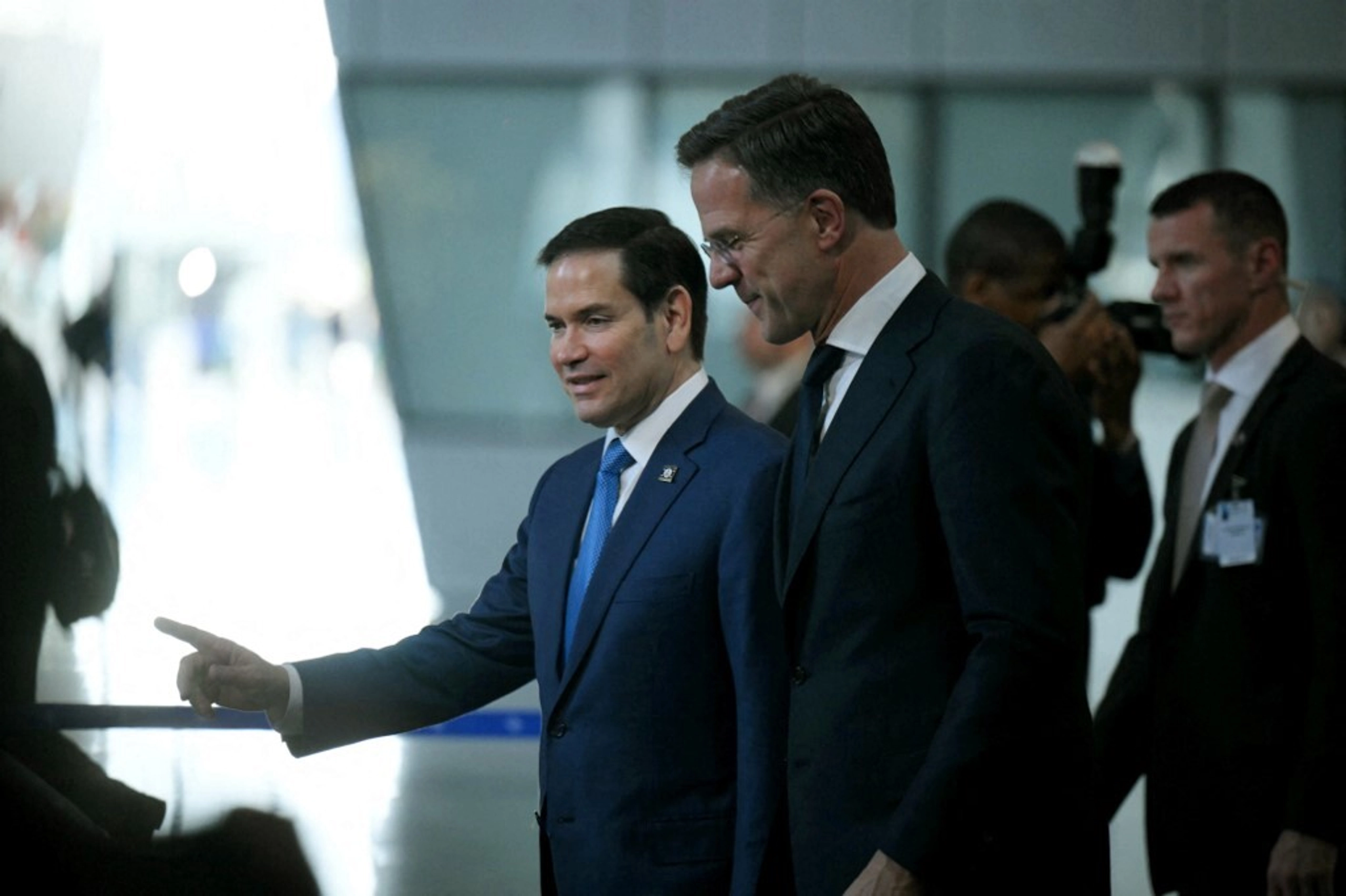
BRUSSELS – As top diplomats from NATO countries gathered in Brussels for two days of meetings to discuss key security challenges, senior NATO intelligence officials said Thursday that the allies are currently sharing more intelligence with Ukraine “than ever before,” with the US being the largest contributor, Kyiv Post’s US correspondent reports from NATO headquarters.
On the battlefield, Ukraine is conducting defensive operations and making minor tactical gains, pulling some Russian forces away from other front lines, said NATO officials, who spoke on condition of anonymity to discuss sensitive military assessments.
JOIN US ON TELEGRAM
Follow our coverage of the war on the @Kyivpost_official.
According to them, the shared intelligence is used to guide NATO defense planning, including decisions on defense spending and long-term procurement. It’s also crucial for Europe to meet its capability targets and commit to deterrence and defense missions, another official added.
Ukrainian drone strikes have been effective in preventing Russian advances around Kyiv, according to NATO assessment. The battlefield situation involves exchanges of territory with minimal gains for either side, characterized by small tactical maneuvers.
Russia, the officials said, is also maintaining momentum, and is expected to continue increasing pressure along the front lines to gain wartime and negotiation advantages. In Kursk, it has taken full control of Sudzha, forcing Ukrainian forces to withdraw, with Ukraine losing about 90% of its holdings in the salient.
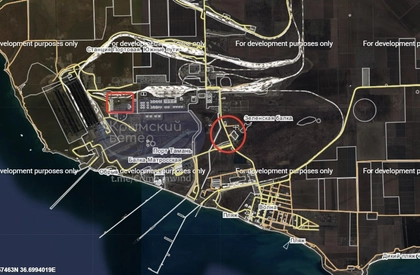
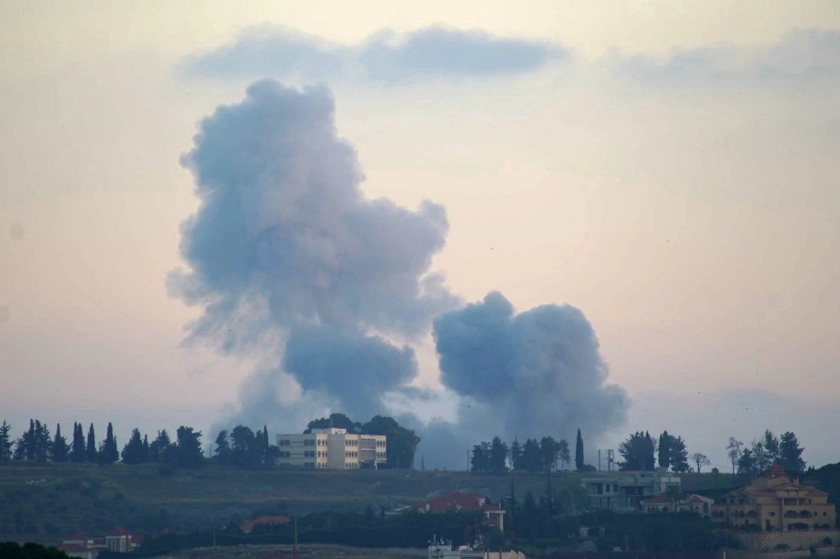
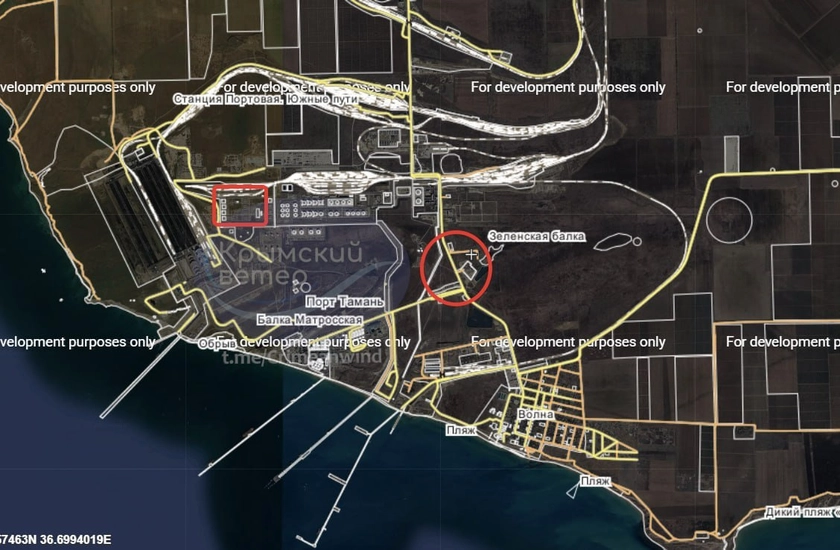
SBU, HUR, and SSO Joint Drone Strike Cripples Tamanneftegas Terminal
The average daily munitions launched against Ukraine is currently around 120, with over 1,580 guided glide bombs and 1,100 strike zones in a week, another senior NATO official highlighted, adding that Russia is continuing to strike targets within the Ukrainian energy infrastructure network using short-range drones.
The officials went on to add that Moscow’s negotiation strategy links the war to broader issues with the US and NATO, and they have rejected a temporary ceasefire without a wider agreement.
Russia has rejected the idea of a temporary ceasefire without a wider agreement, emphasizing the need to address the root causes of the war. The Kremlin continues to state its readiness to talk, but there is a difference between talking and negotiating.
Western intelligence suggests that Russia’s negotiation strategy aims to link the war to broader geopolitical issues, complicating any potential peace agreement, the officials concluded.
You can also highlight the text and press Ctrl + Enter

US Loses First Apache Helicopter in Iran War