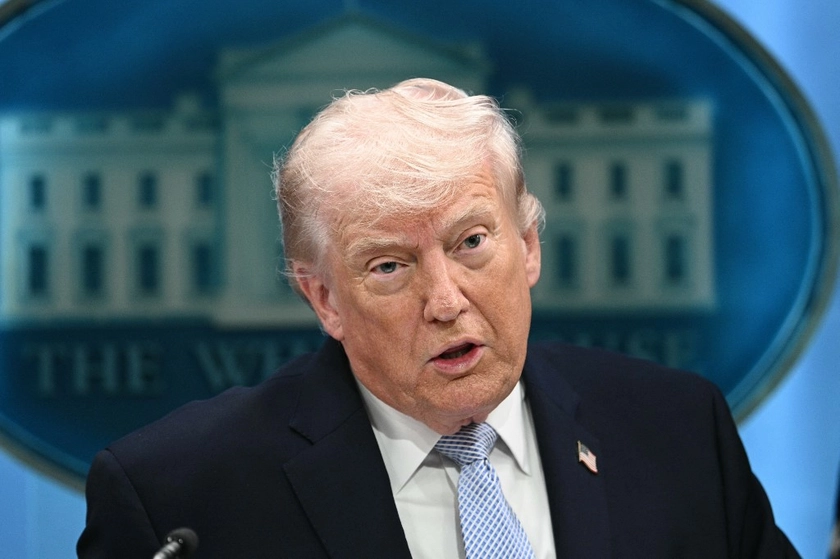
On Wednesday, US President Donald Trump paused the reciprocal tariffs on dozens of countries he had announced a week prior for 90 days, except those on Chinese-made goods, now subject to a 125 percent penalty.
Stocks in New York applauded the move, with the Dow Jones Industrial Index regaining about nine percent.
JOIN US ON TELEGRAM
Follow our coverage of the war on the @Kyivpost_official.
However, an across-the-board ten percent tariff remains on imports from every country in the world, except Russia. The Trump administration, which is in protracted talks with the Kremlin about bringing a ceasefire to Ukraine, tried to explain the exception as due to the minimal trade volume between the US and the heavily sanctioned country.
Some sector-specific goods, such as aluminum and steel, are still subject to separate duty schedule. At the same time, the existing 25 percent tariffs on imports from Canada and Mexico that are not covered by the trilateral trade deal known as USMCA remain unchanged.
The list of reciprocal tariffs ranges widely, from 17 percent on goods from Israel, for example, to 50 percent on the impoverished African country of Lesotho, which provides the American market with denim fabric for jeans.
China’s reciprocal tariffs jumped from 84 percent to 125 percent, and Beijing, in turn, on Wednesday matched Trump’s actions with an 84-percent tariff on US goods, due to take effect Thursday.
Economists differ in their assessment of which country, China or the US, stands in a better negotiating position and will outlast the other’s hubris.
Germany, Netherlands to Take Command of NATO’s Eastern Flank in Estonia
Trump ratcheted up his rhetoric on Beijing on Wednesday.
“Based on the lack of respect that China has shown to the World’s Markets, I am hereby raising Tariff charged to China by the United States of America to 125%, effective immediately,” the president wrote on his own social media platform, Truth Social.
However, economists and legislators interviewed by US media agree that, due to the vast trade volume between the two countries, the economic effects will not only be painful for exporters but more so for the average American consumer.
“It’s a big tax increase for American families. There’s no two ways about it,” Sen. Mark Kelly (D-AZ) told the host of “Morning Rush” on Scripps News.
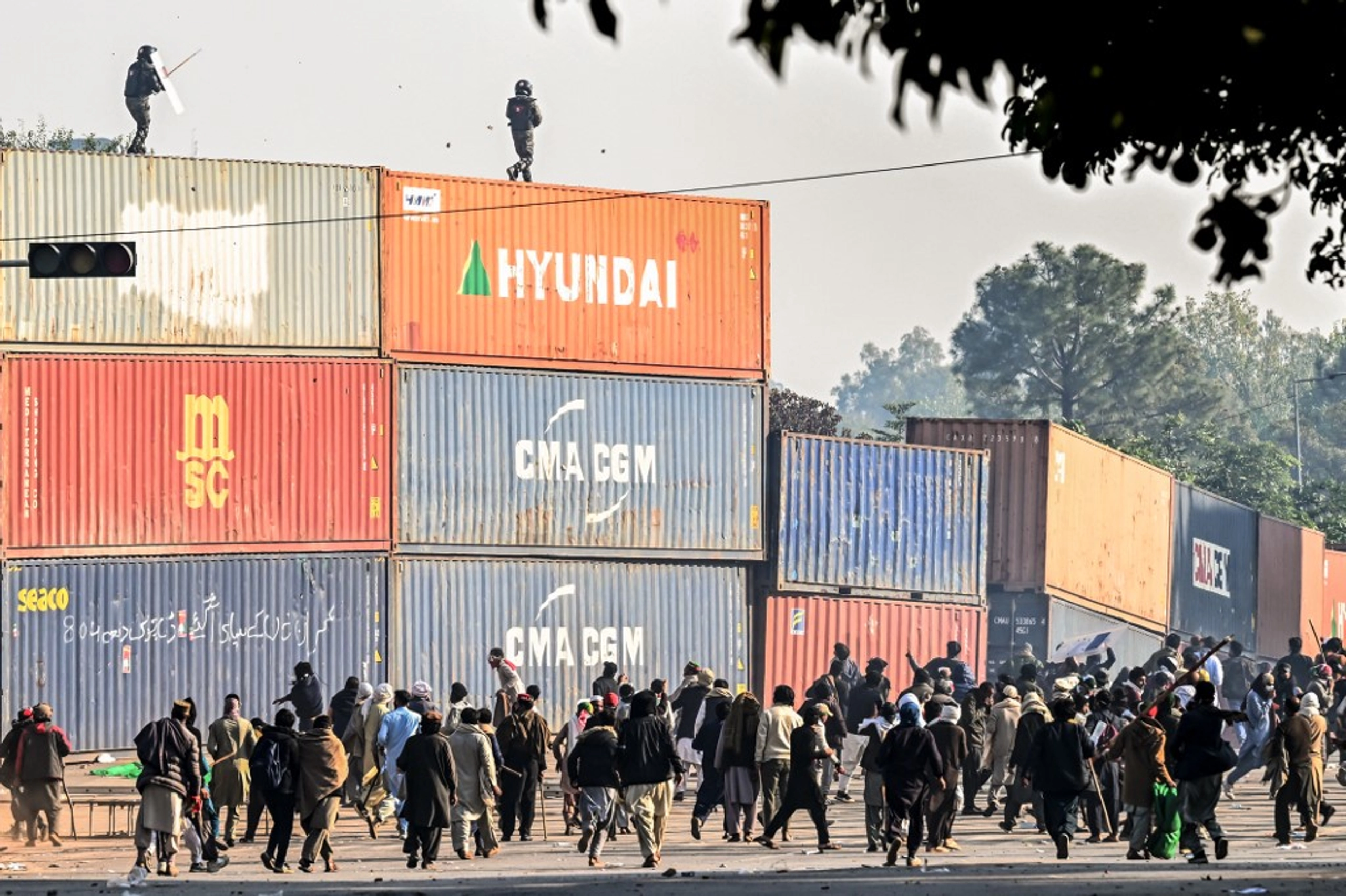
He recalled the story of one of his friends, an entrepreneur, who had ordered $75,000 worth of Chinese goods that were sitting in a container in the port of Los Angeles. To have them clear customs, the small businessman would have to cut a check for $100,000.
“That’s unaffordable for him,” Kelly said. “So the only thing he can do is try to pass those costs on to his customers. And that’s what he’s going to do.”
You can also highlight the text and press Ctrl + Enter