Inflation in Ukraine hit 14.6% year-over-year, up from 13.4% in February, according to data published by the country’s State Statistics Service on April 9.
Core inflation also rose to 1.4% in March from 0.7% a month prior.
JOIN US ON TELEGRAM
Follow our coverage of the war on the @Kyivpost_official.
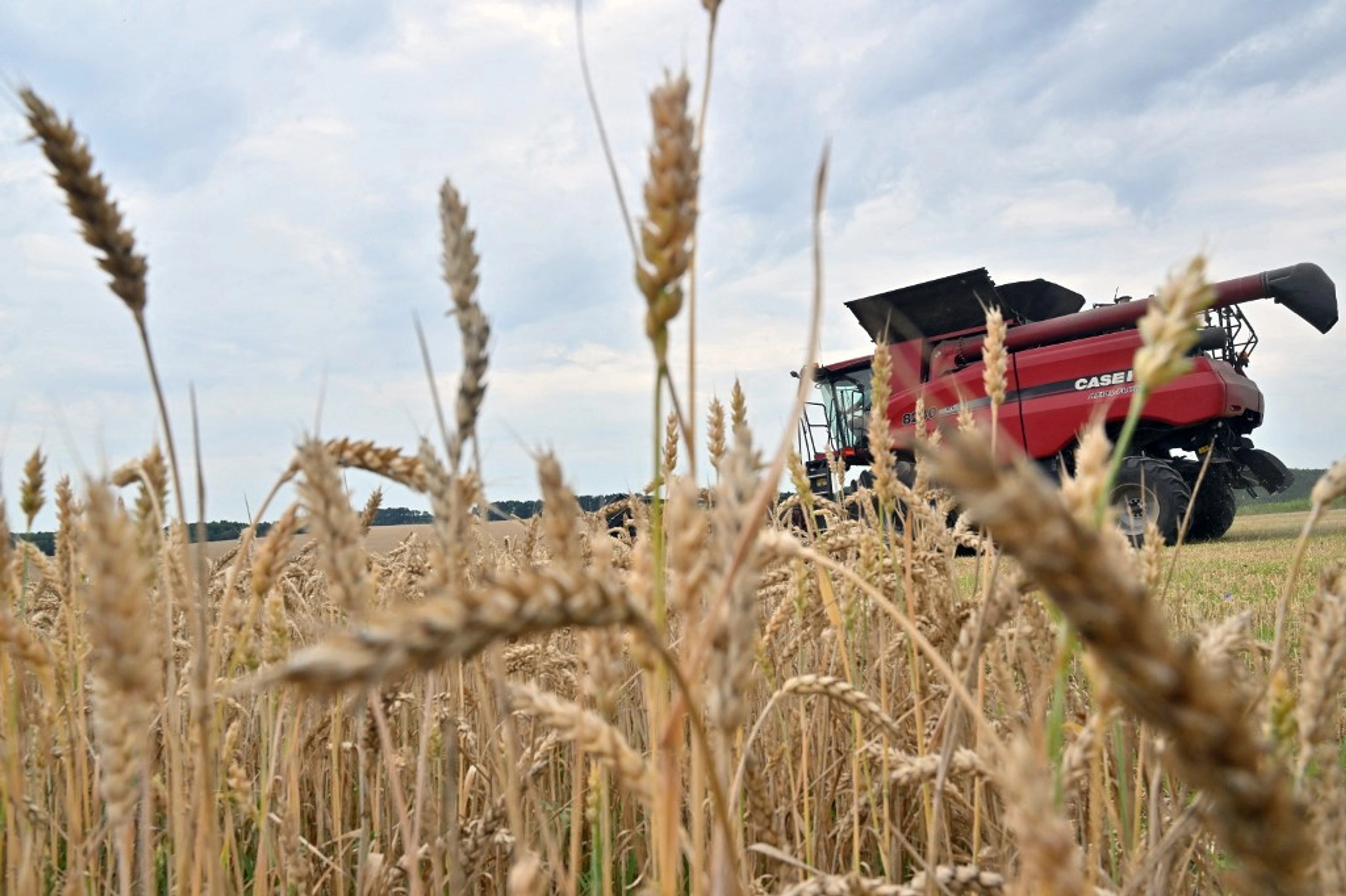
Food prices remain a key driver, as Ukraine’s Consumer Price Index (CPI) is heavily weighted toward them – and they continue to be affected by last year’s drought, a decline in vegetable supply and increased energy spending amid Russian attacks.
In March, prices for food and non-alcoholic beverages climbed 1.7%, with eggs spiking by 18.8%.
Food prices rose for fruits, vegetables, sunflower oil, grain-based products, bread, meat, dairy and butter – with increases ranging from 0.6% to 6%.
Prices for rice and pork fat dropped slightly by 0.5%.
Alcohol and tobacco prices rose 1.9% in March, largely due to a 2.4% increase in tobacco pricing resulting from increased excise taxes as per EU accession requirements.
Apparel and footwear saw the sharpest price hike, increasing by 13.3% overall, with footwear rising by 13.8% and clothing by 13.3%.
Transportation costs only grew moderately – up 0.2% – despite higher fares in rail and road passenger transport (up 4.4% and 1.5%, respectively), thanks to a 0.9% drop in gas prices.
Persistent inflation for the last 6 months
The March figures align with the National Bank of Ukraine’s (NBU) earlier projections that inflation would continue rising into the spring. In February, headline inflation reached 13.4% year-on-year, while core inflation stood at 12%.
‘Negotiations’ Are Traps – How Russia Tweaks Language to Deceive the West
The initial inflationary spike was triggered by a poor harvest in the summer of 2024 and the consequences of Russian attacks on energy infrastructure. The current price pressures are compounded by persistent structural factors – rising business costs, especially for labor and energy, continue to be passed down to consumers. In 2024, Ukrainian businesses raised real wages by 14.4% to retain and attract talent.
The NBU also points to robust consumer demand plus rising logistics and electricity costs as factors behind sustained growth in processed food prices.
Price pressure has broadened since the second half of 2024, with non-food items and services – such as healthcare, transport, communications, and leisure – also contributing to inflation.
In response, the NBU raised its key interest rate from 14.5% to 15.5% earlier this year, marking the peak of its projected tightening cycle.
Still, the central bank expects inflation to slow later in 2025.
“Inflation should return to the downward trajectory in H2 and decline to single digits at the end of the year. Inflation will decline to the 5% target over the policy horizon,” NBU Governor Andrii Pyshny said in February.
You can also highlight the text and press Ctrl + Enter