Even when there is will, there still needs to be a way – especially for private investment in Ukraine’s critical infrastructure and recovery.
Delayed or absent payments for delivered services, ineffective state spending, an unestablished legal framework to cope with market volatility and the lack of protection against law enforcement abuse are among the key problems for private investments in Ukraine’s critical infrastructure recovery, according to Ukraine’s Business Ombudsman Council.
JOIN US ON TELEGRAM
Follow our coverage of the war on the @Kyivpost_official.
In its “Challenges in Protecting and Restoring Critical Infrastructure Through Private Sector Engagement” report, the council studied government policies and initiatives from the private sector in restoring and investing in Ukraine’s critical infrastructure.
The key recommendation to tackle these problems is to create transparent “game rules” or a level playing field for state entities restoring critical infrastructure and private companies delivering the relevant services.
According to the report, the biggest obstacle to private investment in Ukraine’s infrastructure recovery is delayed or missing payment for completed work and delivered services — along with a lack of enforcement tools when financial agreements are breached.
Businesses borrow money and use their working capital to fulfill the contracts, but they could face bankruptcy if they are not paid, the report says.
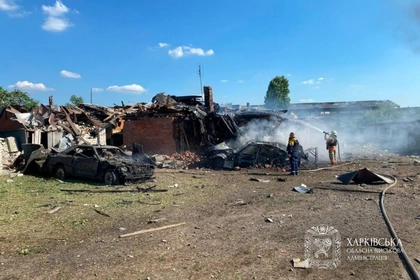
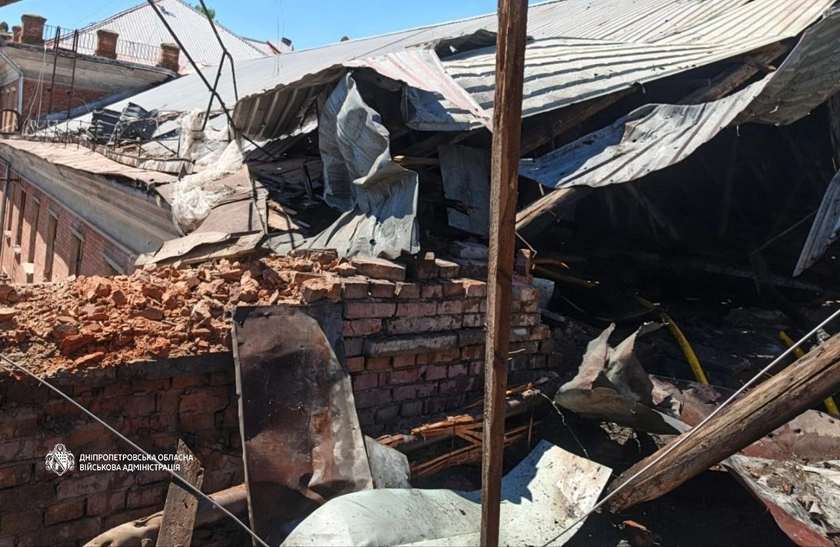
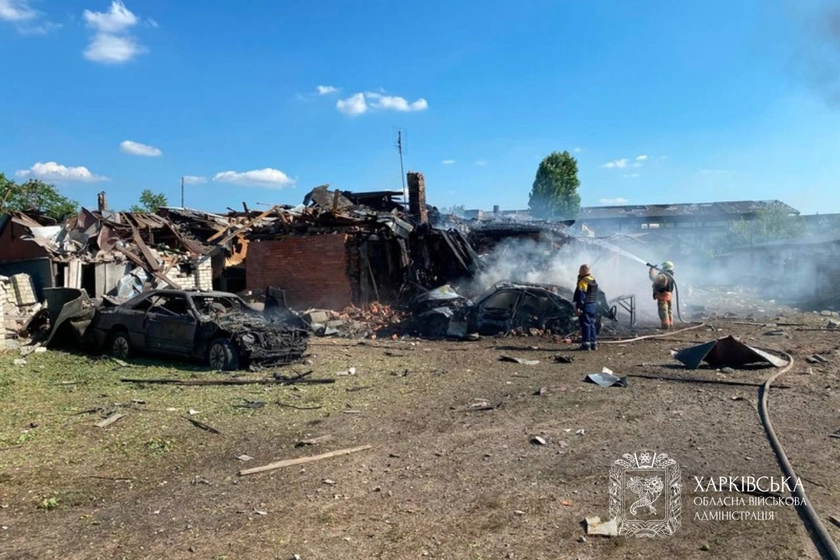
Russian Guided Bombs in Kharkiv Kill Teen, Wound 32, Including Children
“Thus, contractors often perform works first, and when the moment of mutual settlement comes, it turns out the state has no funds to pay for works and materials,” the report writes.
There is also a lack of legal framework for private investments in critical infrastructure restoration during wartime.
“With no clear private sector involvement mechanisms in place, companies have to work in conditions of legal and financial uncertainty,” the report states.
Fast-track procedures aimed to facilitate restoration after Russian attacks have instead eliminated competition, it adds.
The report also criticized state institutions’ ineffective use of state budgets, often spending them in the second half of the year or not spending them on time at all.
To make matters worse, the state’s procedures are also not adjusted to market volatility, meaning resources are often purchased at a higher price due to a lack of supply.
Businesses also suffer from economic problems, such as labor shortages, caused by Moscow’s 2022 invasion. But according to the report, enterprises cannot attract employees because the wages proposed by the state are lower than market rates.
The lack of precedence also means Ukraine has to identify solutions on its own.
“In search of a strategy for the best protection of energy facilities, Ukraine went to many countries for advice, but it did not receive any specific hint since no one had the appropriate competencies. So, in fact, energy facility protection systems were created from scratch,” the report says.
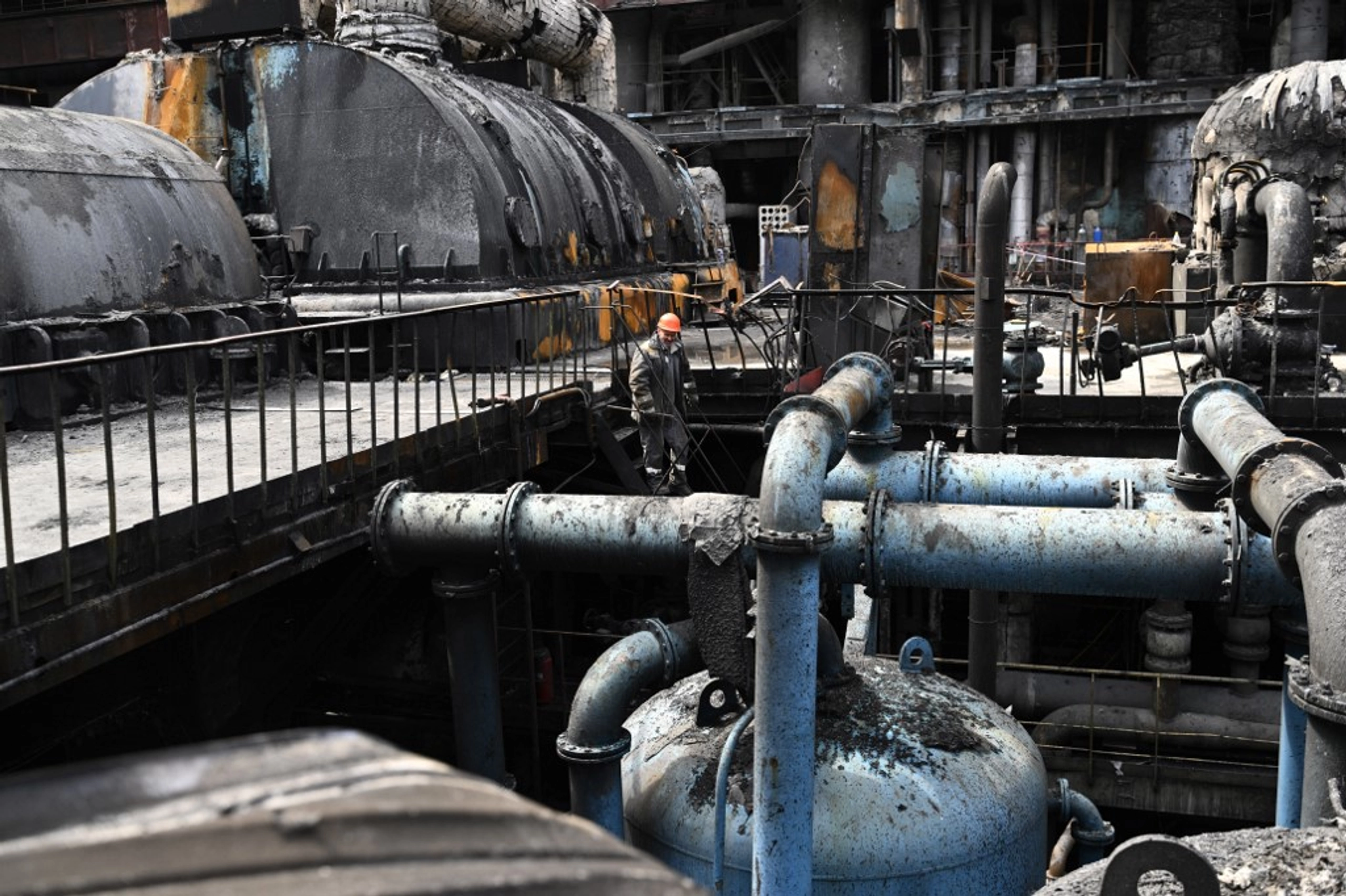
Ukraine needs to invest in its critical infrastructure since Russian attacks directly caused almost US$176 billion of damages, according to the Fourth Rapid Damage and Needs Assessment (RDNA4) by the World Bank.
One of the key problems for Ukraine in its recovery is the inherited organizational structure from the Soviet Union, the report adds, citing an example by former Ukrenergo CEO Volodymyr Kudrytskyi.
Kudrytskyi cited the protection of energy infrastructure as an example: When there are machine rooms 30-40 m tall and 100-200 m long, it is impossible and impractical to build any protection elements over the compounds to protect them from Russian attacks – only air defense can do the job.
That said, orders were still made to erect structures to help protect the plants, which ultimately failed to deter Russian missile strikes.
Inefficient state budget spending
Ukraine’s Accounting Chamber estimated that Hr.5.9 billion ($140 million) of the Hr.9.3 billion ($221 million) allocated in 2023 to restore social and critical infrastructure was left unused.
Unused funds are a common problem of Ukraine’s state institutions.
According to the report, the leftovers for recovery accumulate in the state’s wallet and become unused due to several reasons:
- State cash allocated in the budget is usually paid during fall
- Territorial communities are unable to spend funds allocated to them and implement reconstruction projects
- Kyiv delays decisions on the procedure for using funds from international donors
In 2024, Ukraine did not have priorities in place on how to spend the money on recovery, leading to chaotic planning. The approach to recovery in 2025 will be based on prioritizing projects complying with the Ukraine Facility Plan, the report wrote.
Key priorities are reportedly energy, housing, social infrastructure facilities and roads in selected regions.
Legal uncertainty undermines private investment
Kyiv called the legal framework used to facilitate recovery projects “experimental projects,” which are regulated under Ukraine’s Cabinet of Ministers.
This framework, first aimed to boost the recovery process, turned out to be a slippery road that neither brought evidence-based policy nor guarantees for businesses.
Kyiv Post previously wrote that experimental projects helped Deputy Prime Minister for Infrastructure Oleksandr Kubrakov build defensive constructions over large power plants without proper documentation and accumulated debts.
One of which was built over the Trypillya thermal plant, which failed to protect it against Russian missiles that destroyed the plant.
A top official in the Cabinet of Ministers told Kyiv Post that Kubrakov’s ministry failed to complete reconstruction projects in recent months and mounted debt without plans on how to repay it.
The so-called experimental projects were part of Ukraine’s recovery mechanism until the end of 2024.
Another serious problem is the abuse of fast-track procurement that avoids open tenders via the Prozorro system. Initially created to speed up wartime processes, it has since become a fertile ground for corruption.
According to the Business Ombudsman Council, the fast-track system eliminated fair competition and created low-quality projects because their documentation was not adequately studied.
Uncompetitive wages
Due to inflexible regulations from the state, businesses cannot pay workers enough to do the work.
Currently, construction estimates are calculated based on the methodology approved by the Ministry of Development, which the report says “should have been at least Hr.13,707.89 ($330.31)” in 2024.
However, actual salaries in the industry averaged Hr.18.000–20.000 ($434-482) depending on the region and specialization, according to the report.
Even state statistics from the Pension Fund of Ukraine say that the average salary in construction in June 2024 reached Hr.18,806 ($453) – higher than what the Ministry of Development listed.
Law enforcement abuses
Shortages of certain goods or market price fluctuations cause businesses to purchase resources for recovery projects at higher prices.
A large number of construction materials factories were also destroyed by Russian attacks, pushing the prices up.
However, even if businesses do so and complete the work, they may still get illegal lawsuits from law enforcement accusing them of artificially inflating the prices.
In the report, the council discussed a case in which a leading Ukrainian infrastructure construction company procured metal during severe shortages in the domestic market, leading to higher prices.
“Additionally, the metal was sold with a payment deferral of up to 180 days, which further influenced the final cost of the material,” the report wrote.
But in the end, regulators suspected price inflation without taking market volatility into account, the report’s authors wrote.
You can also highlight the text and press Ctrl + Enter