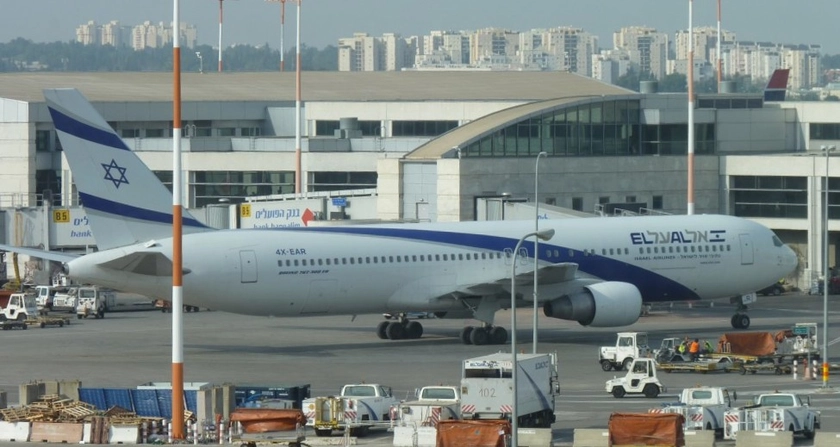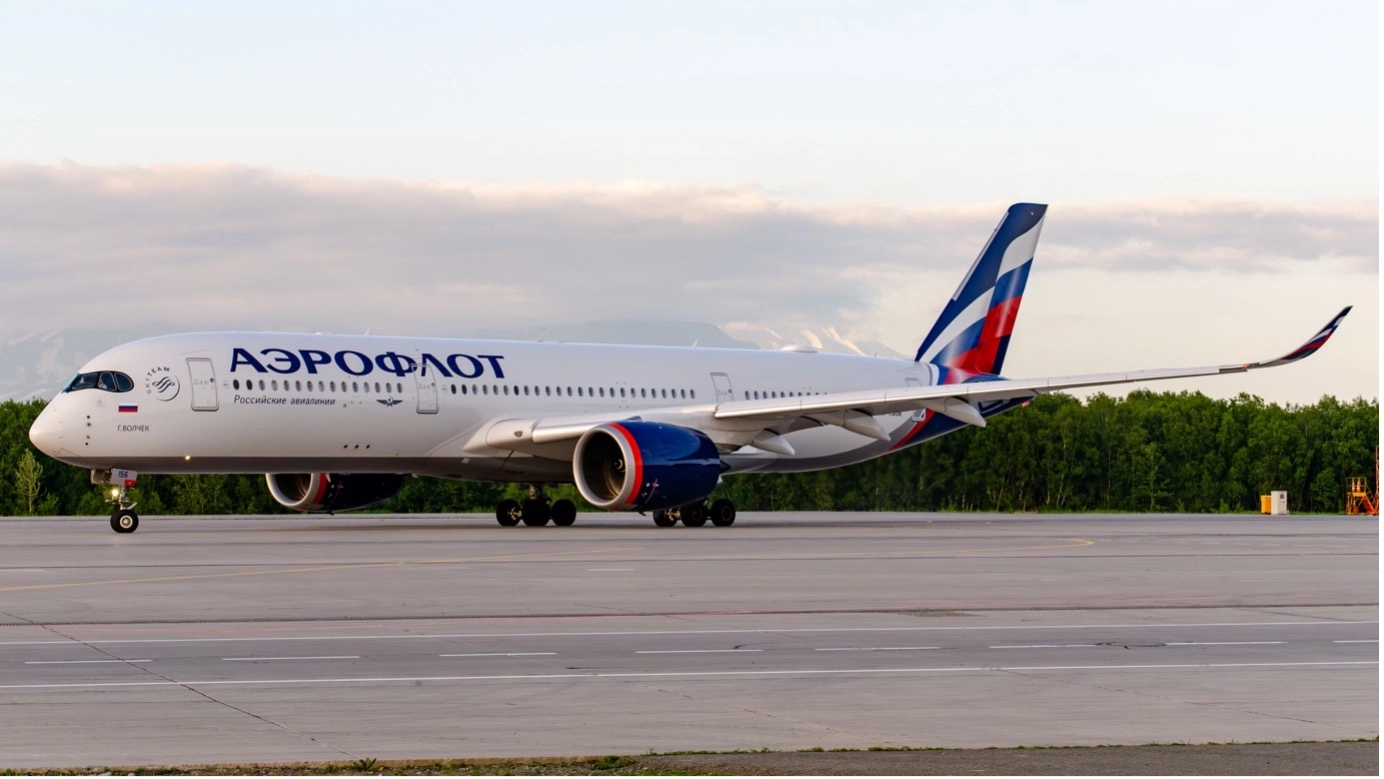
The usually pro-Kremlin social media site 112 reported on Thursday that an Airbus A350 operated by the state airline Aeroflot declared an in-flight emergency when one of its engines failed. The aircraft was en route to Indonesia but had to turn back and made a successful emergency landing at Moscow’s Sheremetyevo airport.
The Moscow Times reported that there had been almost a dozen similar incidents involving Russian civil aviation during January alone; eight involving Boeing or Airbus airframes and three of the Sukhoi SSJ-100 “Superjets.” All aircraft rely on large numbers of Western components and maintenance which has been withheld as a result of sanctions imposed following Russia’s full-scale invasion of Ukraine
Thursday’s incident was the fourth involving Aeroflot since the turn of the year.
On Jan. 24, a Boeing 737-800 flying from Istanbul to Moscow was forced to land in Astrakhan after an emergency warning signal functioned. On Feb. 10, a Boeing 777-300 en route from Phuket, in Thailand, to Moscow made an emergency landing in Bangkok after its landing gear system failed. On March 29, an Airbus A320 was forced to land at Saratov’s Gagarin Airport because of cabin depressurization.
A November Novaya Gazeta report listed 208 aviation incidents between January and November 2024. This was a 30% increase on the number reported the previous year with almost half of the incidents involving engine or other major component failure while in flight resulting in a returned to the departure airport or an unscheduled landing at another airport.
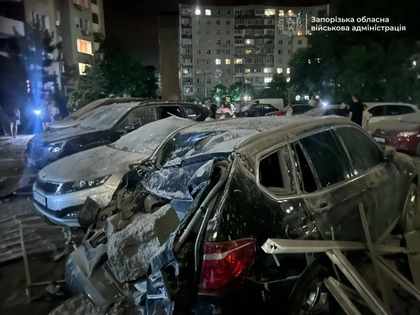
Russian Guided Bombs Strike Zaporizhzhia, Injuring Six
The report underlined that these figures only included those incidents that occurred after takeoff but did not include faults discovered during pre-flight checks that caused delays to take off or the removal of an aircraft from service.
In 2023 Artem Korenyako, a Rosaviatsiya spokesman, said that media reports on the problems faced by Russian civil aviation were a barrage of “unsubstantiated” claims about flight safety, saying the number of air incidents in 2023 was comparable to previous years.
Koryanko’s assertion was contradicted by open-source data leading some commentators to say that it was only the major incidents were being brought to light. Minor problems are often unreported and there are numerous reports that airline employees were instructed not to formally record inspection failures but to only report them “verbally.”
Along with engine issues, there were an increasing number of problems with aircraft bodies and brakes, as well as hydraulic and navigation systems. A study by the RAN-Avia flight safety service said a number of aircraft suffered several different failures after being repeatedly brought back into service.
It gave the example of a Superjet that caught fire after an emergency landing in Antalya, Turkey in October 2024 that had suffered three previous serious incidents in less than three months. This included an in-flight hydraulic system and had twice to abort take off on separate occasions because of unspecified technical problems.
In another case a Ural Airlines Airbus suffered the failure of both autopilots en route followed by the nose wheel control failing during landing, and yet it was returned to service one day later.
Hundreds of Russian airliners will be lost by 2030
Despite Rosaviatsiya’s view that the problems the industry faced were overblown, Sergei Chemezov the CEO of the Rostec conglomerate warned in March this year that Russian airlines may lose hundreds of foreign aircraft in the next five years.
He said that more than 200 Western airliners are likely to have to be decommissioned by 2030, which will include almost 30% of the 700 Boeing and Airbus that currently service around 90% of Russia’s passenger air transportation capability.
Dmitry Yadrov, head of the Federal Air Transport Agency told the Moscow Times earlier this month that airlines have lost the use of almost 60 Western aircraft because of problems with repairs and maintenance and the inability to purchase original replacement parts because of US and European imposed sanctions.
An anonymous source told Radio Liberty that the situation over the next couple of years were likely to be far worse than Rostec’s prediction. All passenger aircraft are required to undergo regular periodic airworthiness checks; the so-called C Check every two years or so and an in-depth D check every 6-12 years (depending on their accumulated flight hours). These checks have needed direct support from Western manufacturers, which are no longer available.
The source said that 2025 would be the last year that most Russian Western aircraft would be legally flying because the checks weren’t carried out. This would also even affect those nominally domestic aircraft such as the 150 in-service SSJ-100 Superjets which incorporate critical Western components including engines, avionics, electrical equipment, hydraulic and fuel systems.
You can also highlight the text and press Ctrl + Enter

Attack on Moscow Oil Refinery: Putin Under Pressure?