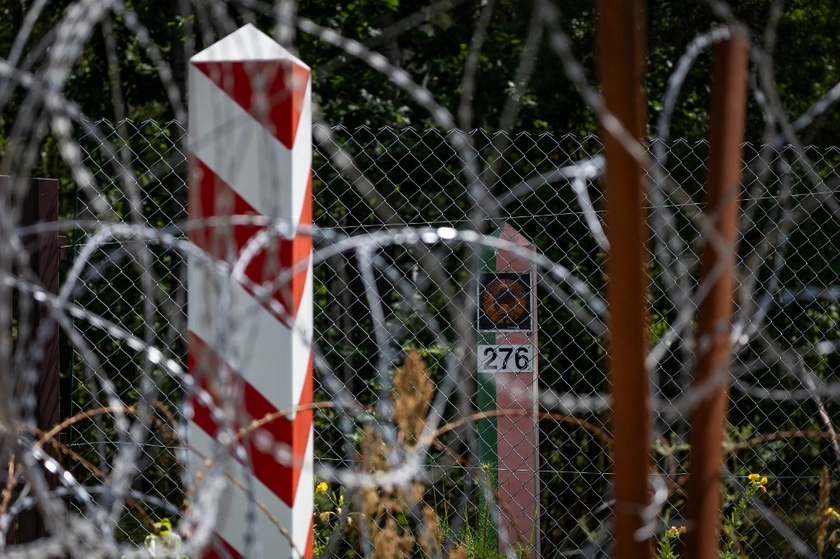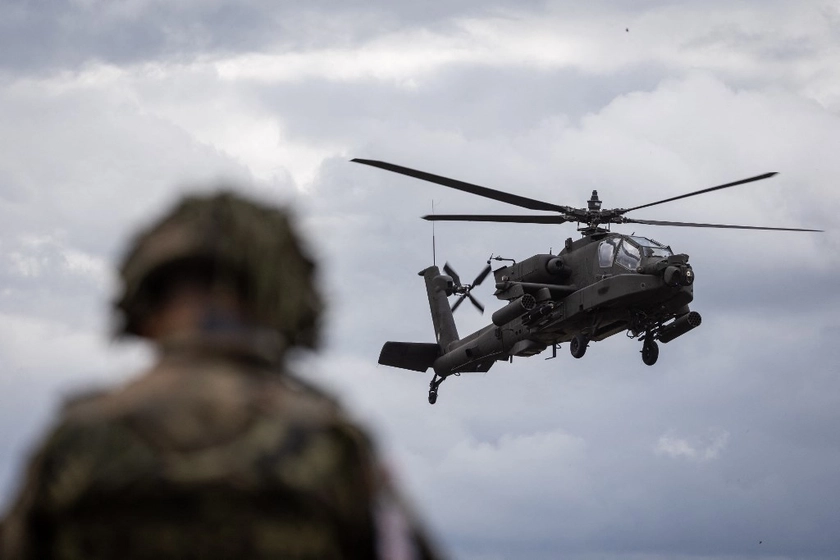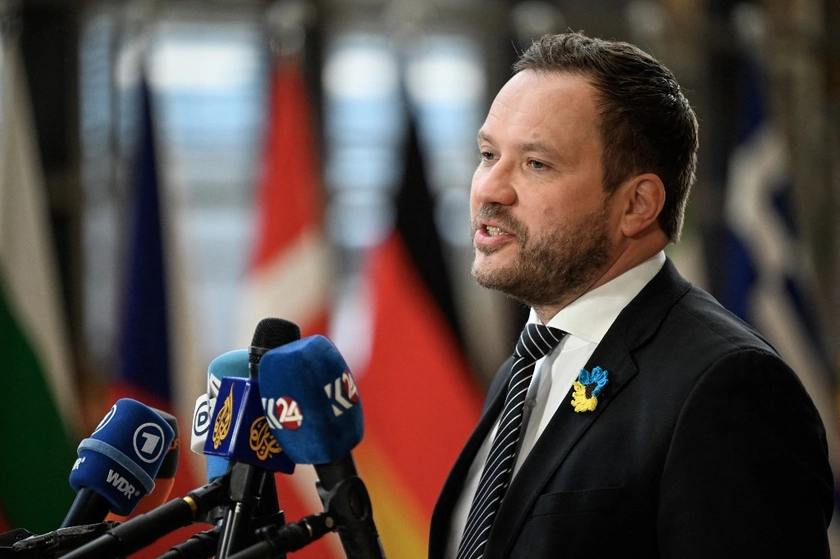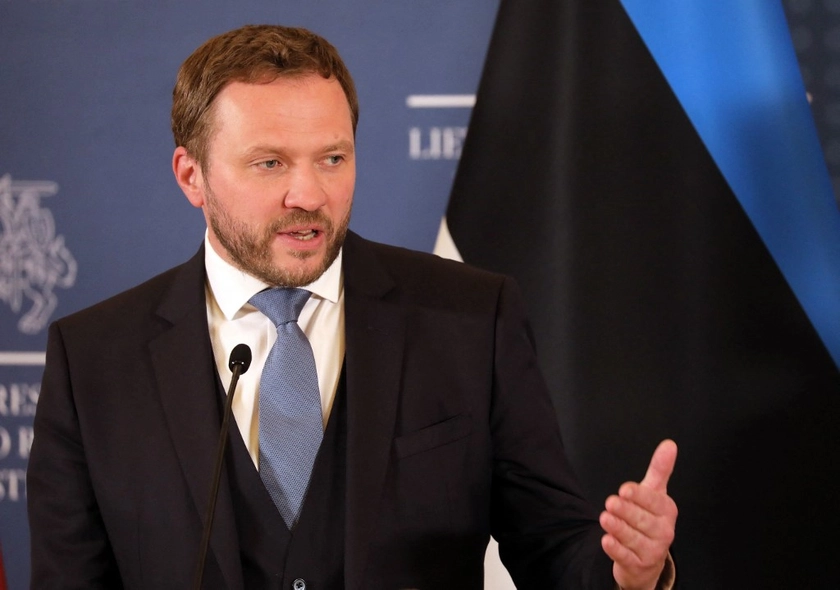
Estonia plans to establish a military base in the town of Narva, located directly on the border with Russia, Estonian Defense Forces Chief of the General Staff Major General Vahur Karus said on April 23.
Narva sits on the eastern edge of both EU and NATO territory, where Russia’s presence feels close. In this town of 56,000, about 96 percent of residents are Russian speaking.
JOIN US ON TELEGRAM
Follow our coverage of the war on the @Kyivpost_official.
“We will give the city’s residents a clear signal about the presence of the Estonian state. Narva residents will be able to get used to the fact that the military is part of their everyday city life,” Karus said, as quoted by ERR. “And in a sense, this step will be a demonstration that Narva is an integral part of Estonia.”
According to Karus, a unit of 200 to 250 personnel – including both active-duty troops, conscripts, and reservists – will be stationed in Narva. Soldiers will rotate in from other Estonian bases.
Since 2024, Estonia has tightened controls at the Narva border crossing in response to increased attempts to smuggle sanctioned goods into Russia following its full-scale invasion of Ukraine.
Eerik Purgel, head of the Border Guard Bureau in Estonia’s East Prefecture, said enhanced checks had already intercepted military-use items worth “tens of thousands of euros,” including “electronics, chips, Starlink systems – everything that’s used for war.”
Russian Troops Forced to Walk 30 km After Ukraine Hits Logistics, Minister Says
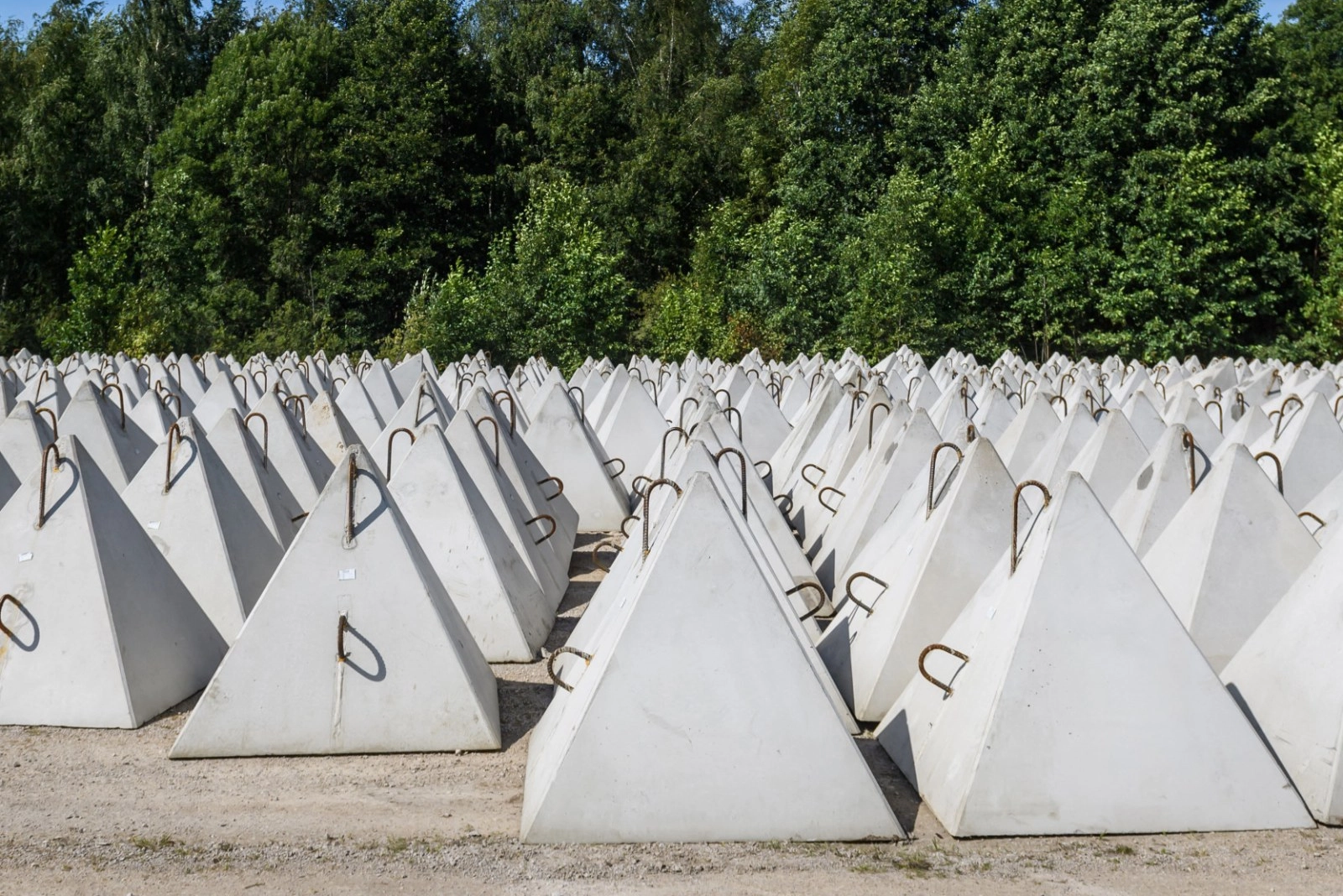
These were often hidden in travelers’ luggage, he noted, speaking from the bridge connecting Narva and Russia’s Ivangorod, where “dragon’s teeth” anti-tank obstacles were installed in 2023.
The Narva crossing is now open only to pedestrians, after Russia halted vehicle traffic. It is one of just three remaining checkpoints operating between the two nations.
In 2023 and 2024, the Narva Museum, located in an Estonian castle, unfurled a massive banner reading “Putin: war criminal,” with an image of the Russian leader’s bloodied face.
Museum director Maria Smorzevskihh-Smirnova told AFP that she received hate mail and death threats in response, including criticism from local politicians who accused her of deepening divisions in the predominantly Russian-speaking town.
“Narva, unlike many other Estonian cities, is still under the strong influence of the Russian information space and propaganda,” she said.
Mayor Jaan Toots, whose office overlooks the crossing, said “a lot has changed” since the invasion. The drop in cross-border travel has hit Narva’s economy hard.
“On Friday, Saturday, Sunday, there used to be many tourists in Narva – I think 23-25 percent of the monthly turnover in local trade came from Russian tourists. This is gone,” Toots said.
Asked about the “war criminal” banner, he replied: “It shows what our Estonian people really think. That a terrorist is there on the other side.”
But he still voiced hope for peace, adding “The nation in general isn’t to blame for what a few madmen in the Kremlin are doing.”
You can also highlight the text and press Ctrl + Enter

Russia Hit by 660-Drone Overnight Barrage Targeting Moscow, Crimea and Key Military Sites