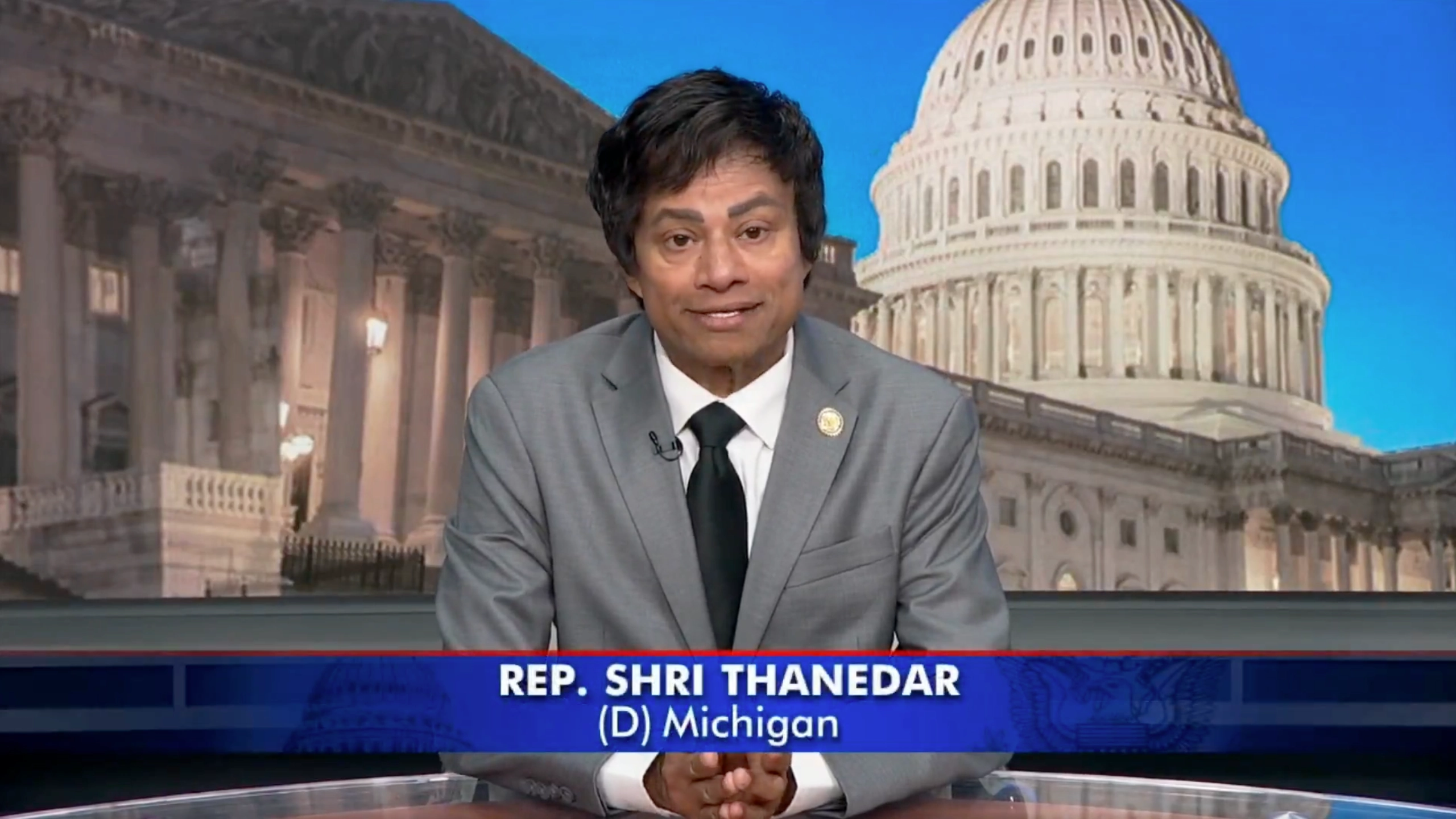
Rep. Shri Thanedar, a Democrat from Michigan, introduced seven articles of impeachment against US President Donald Trump on Monday, April 29, accusing him of abusing power and undermining democracy.
The articles, the first formal impeachment attempt of Trump’s second term, are unlikely to succeed. Thanedar announced them in a video on X, claiming Trump has “done real damage to our democracy” and ignored constitutional checks and balances.
JOIN US ON TELEGRAM
Follow our coverage of the war on the @Kyivpost_official.
I have introduced articles of impeachment against President Trump.
— Congressman Shri Thanedar (@RepShriThanedar) April 28, 2025
When Trump ignores the Constitution, Congress, and the courts, he is not “fighting for America.”
He is tearing it down and endangering our democracy. pic.twitter.com/40iBTZKjkC
House Minority Leader Hakeem Jeffries, a Democrat from New York, said he had not reviewed the articles or discussed them with Thanedar, according to Axios.
Thanedar, in his second term representing a Detroit-area district, filed the articles as he faces growing competition in the Democratic primary. State Rep. Donavan McKinney joined the race Monday as a challenger.
“Tyrannical overreach,” according to Thanedar was the most significant charge, citing the Trump administration’s refusal to allow due process for Kilmar Abrego Garcia, a Maryland man mistakenly deported to El Salvador.
The impeachment articles introduced by Thanedar are unlikely to go far because the US House of Representatives is currently controlled by Republicans, most of whom strongly support President Trump and would not back impeachment efforts initiated by a Democrat.
The move comes as Thanedar faces a competitive primary, which may be seen as a political maneuver rather than a serious bipartisan effort. This can undermine his credibility among colleagues.

Infantry Up Close, More and Better Bombardment, Helping America ‘Win’
Even if the House passed the articles, the Senate would have to hold a trial and vote to convict. The Senate is closely divided, and conviction requires a two-thirds vote – an extremely high bar without broad, bipartisan consensus.
You can also highlight the text and press Ctrl + Enter

Russia Hit by 660-Drone Overnight Barrage Targeting Moscow, Crimea and Key Military Sites