The EU is set to raise tariffs on Ukrainian imports starting June 6, following pressure from Poland and other member states to protect domestic farmers.
The raise will come in the form of transitional measures after slashing its free-trade agreement with Kyiv, which will cut Ukraine’s duty-free quotas by breaking the annual limits into 12 monthly portions, to reduce imports while talks proceed.
JOIN US ON TELEGRAM
Follow our coverage of the war on the @Kyivpost_official.
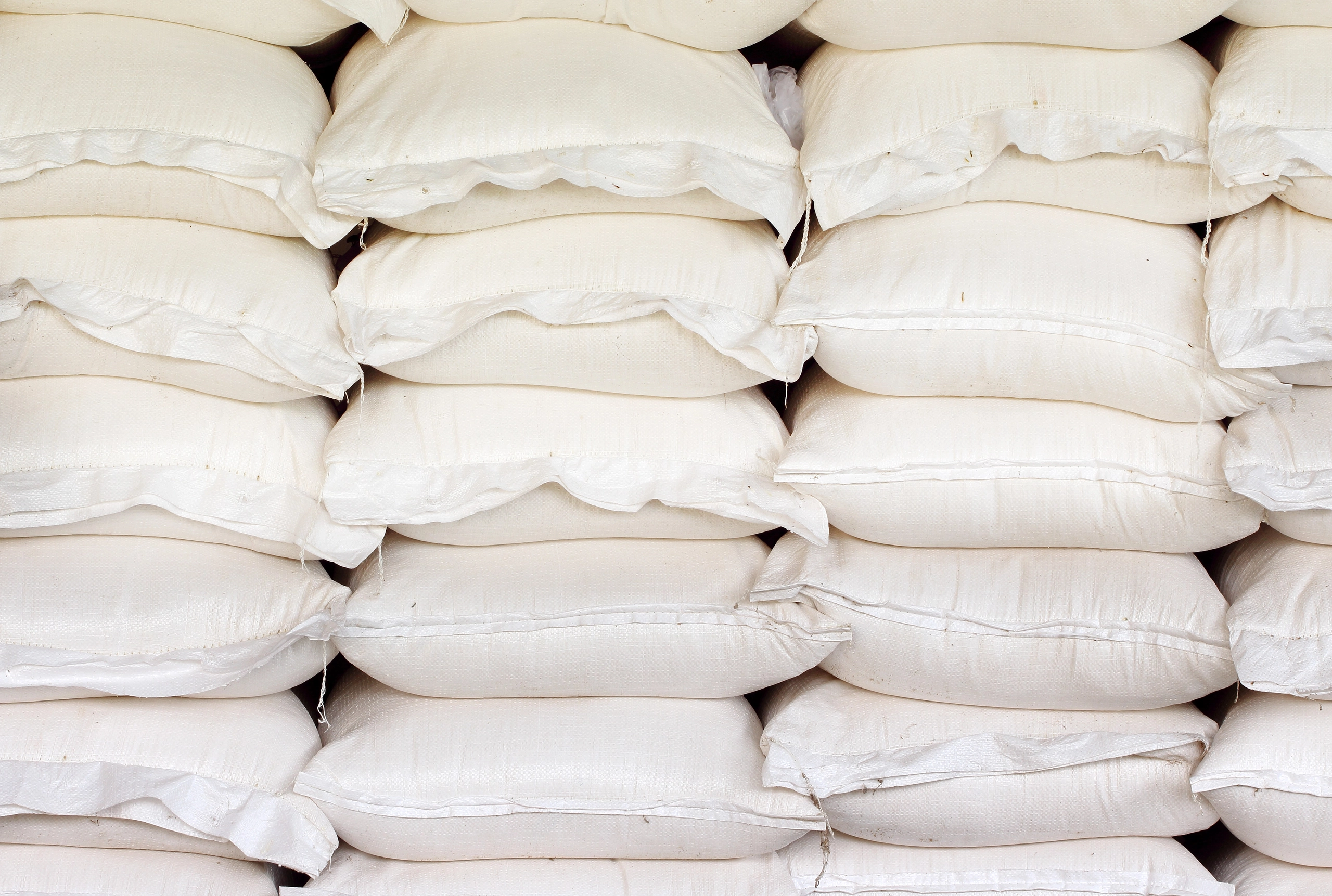
According to the Financial Times, the maize quota will drop from 4.7 million tonnes a year to 650,000 tonnes; Sugar will fall from 109,000 tonnes to 40,700; Poultry will shrink from 57,110 tonnes to 40,000 tonnes.
Ukraine’s economy could lose around €3 billion if the EU reinstates tariffs, the Ukrainian Centre for Economic Strategy estimated.
Poland, France and some other states claimed the inflow of cheaper Ukrainian produce, under the so-called “trade visa-free” regime, undercut local prices. As a result, Warsaw has repeatedly imposed unilateral bans on Ukrainian grain against EU rules.
The Autonomous Trade Measures (ATM) Regulation, or the so-called “trade visa-free” regime, was adopted in the summer of 2022, after Russia launched its full-scale invasion of Ukraine.
The measures removed tariff rate quotas on 36 categories of Ukrainian import goods to support the country during Moscow’s invasion.
Before the ATM Regulation, Ukraine’s trade with the EU was based on the Deep and Comprehensive Free Trade Area (DCFTA) agreement.
Czech Party Seeks to Strip Zelensky of Country's Highest Honor
The EU Commission spokesperson confirmed the “trade visa-free” regime will expire as planned as it seeks to review the EU-Ukraine free trade agreement, according to the FT.
“The commission is also looking into possible transitional measures in case the negotiations are not finalised and applied by June 6,” the spokesperson said.
Bernd Lange, chair of the European parliament’s trade committee, told the FT that the decision is a “bad signal” for Ukraine, and it will take at least until October to find a solution.
According to government data cited by the FT, exports to the EU during the tariff suspension contributed nearly 10% of Ukraine’s $41 billion export revenue in 2024.
The European Parliament’s trade committee will question the commission this week about delays in the talks, given that the June deadline was “known for a long time,” Lange said. “The situation is really not acceptable.”
“It’s a huge step back,” said Mykhailo Bno-Airiian, trade representative for Ukraine’s employers federation. “What we see now is a lack of understanding.”
“We need predictable trade. We don’t know yet what the rules would be and that is not acceptable,” Bno-Airiian said. “The business is specific – poultry and sugar is sold fresh . . . you will be out of the market.”
Meanwhile, the EU will extend the suspension of import duties on Ukrainian iron and steel products until 2028 under the ATM Regulation.
You can also highlight the text and press Ctrl + Enter