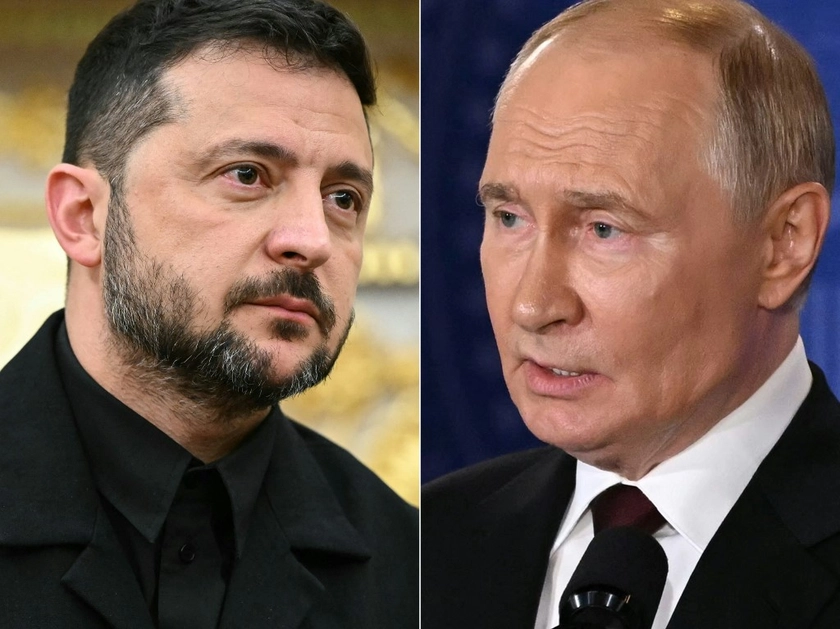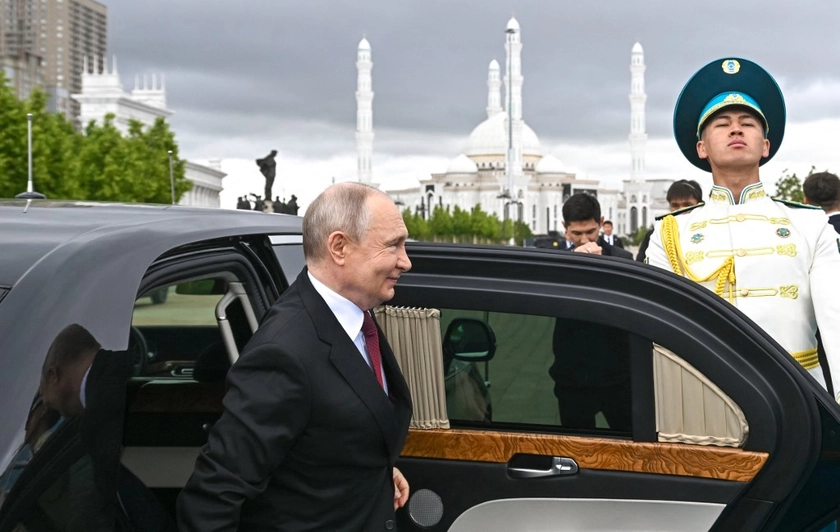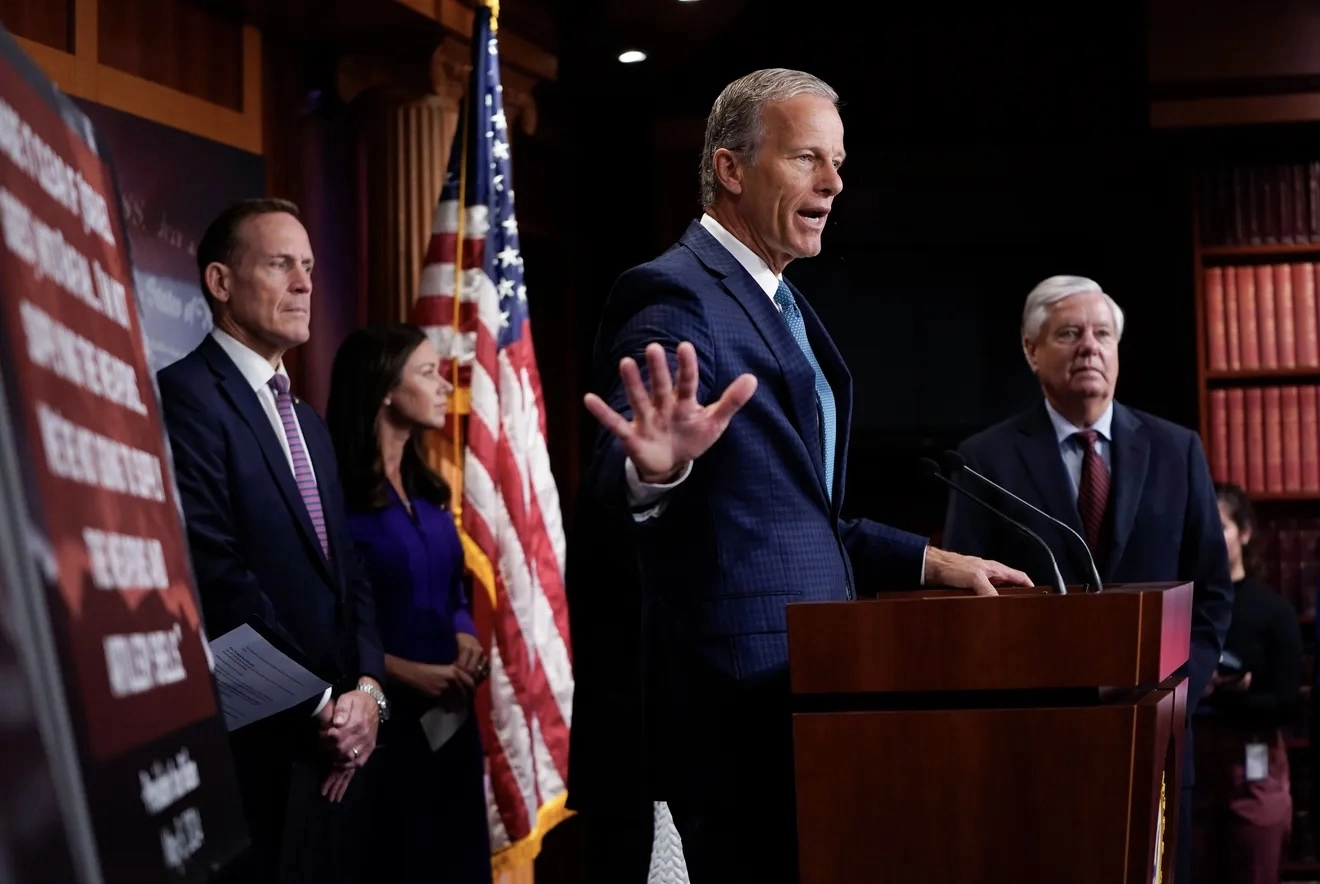
US Senate Majority Leader John Thune (R-SD) said Friday morning that the Senate was “ready to act” if Russian President Vladimir Putin doesn’t come to the negotiation table with Ukraine in good faith.
“For the last four months, [US] President [Donald] Trump has gone to extraordinary lengths to bring an end to the bloodshed in Ukraine, and we here in the Senate commend him for those efforts. Now the ball is in Putin’s court,” the top Republican said in a statement, Kyiv Post’s Washington correspondent reports.
JOIN US ON TELEGRAM
Follow our coverage of the war on the @Kyivpost_official.
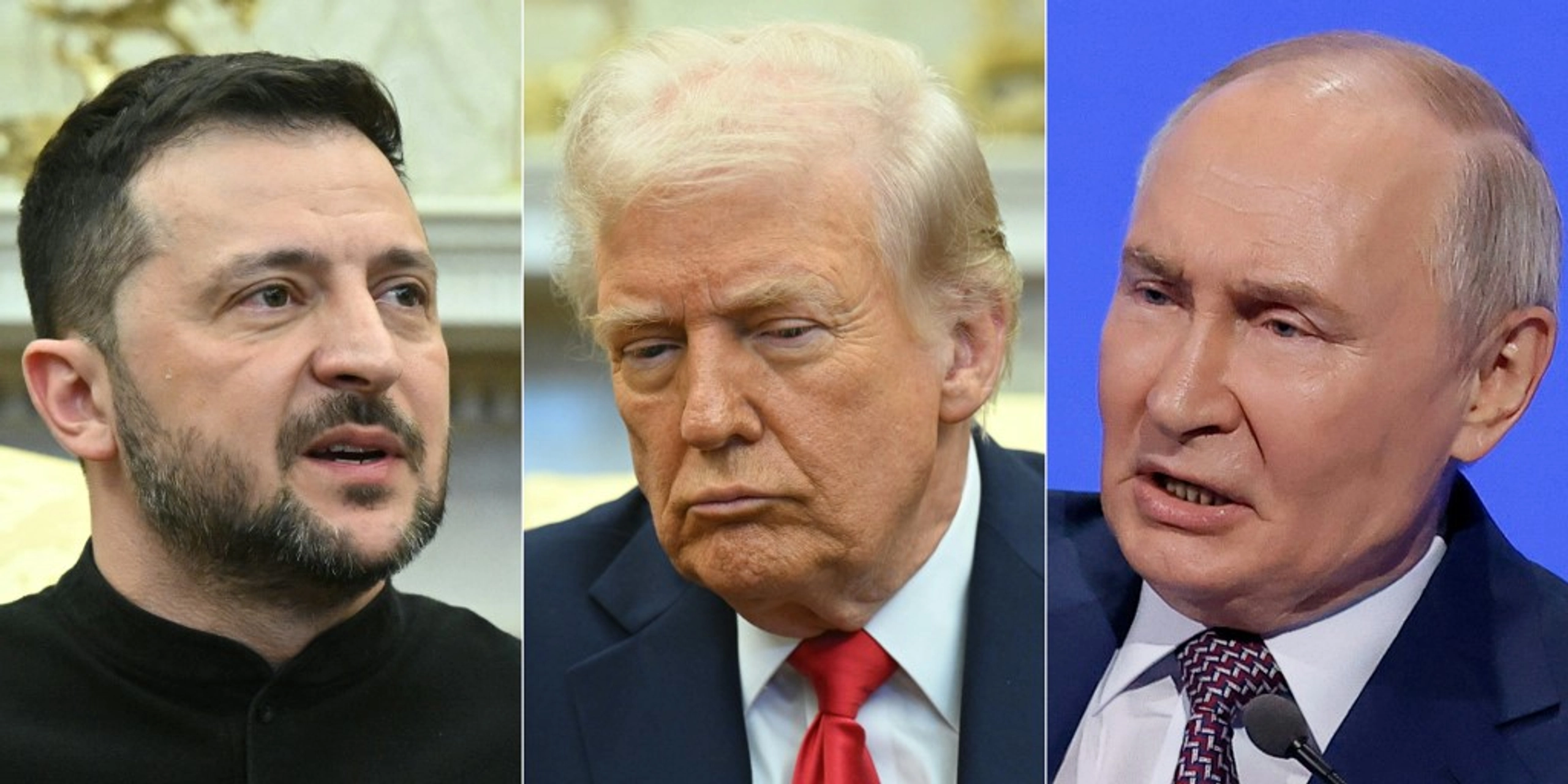
The move comes as realization among US politicians grows that the Russian leader is the biggest obstacle to peace.
“It is time for him to come to the table in good faith and make a serious proposal for an immediate ceasefire that can lead to a just and lasting peace in Ukraine,” Thune said of Putin. “I hope he realizes it is time to do so. If not, the Senate stands ready to act,” he added.
Intent in Plain Sight: the Politics of a UN-Recognized Genocide
Thune went on to express support for Senator Lindsey Graham’s “dogged work,” saying, “Thanks to [Graham], we have bipartisan legislation, cosponsored by 80 of my colleagues, to impose additional economic sanctions and tariffs on Russia.”
“If Russia is not willing to engage in serious diplomacy, the Senate will work with the Trump administration to consider additional sanctions to force Putin to start negotiating,” Thune concluded.
Graham’s hard-hitting “Russia sanctions bill” has already gained over 82 co-sponsors of both parties as of Friday, May 23.
On Friday, Republican Senator Mike Rounds (R-SD) became the latest lawmaker to co-sponsor the bill.
US Secretary of State Marco Rubio faced similar criticism from lawmakers on Wednesday as he steered clear of calling Putin a “war criminal.”
“We can’t end the war without talking to Mr. Putin,” Rubio argued during a House Foreign Affairs Committee hearing on the State Department’s budget when pressed multiple times if he thought the Russian leader was a war criminal.
Democrat Bill Keating (D-MA) recalled Rubio’s heated criticism of Putin’s record when the top US diplomat had served as a senator, and accused him of being “inconsistent.”
In 2017, when Rubio was a sitting senator, he asked then-Secretary of State nominee Rex Tillerson the exact same question and blasted Donald Trump’s pick for the top diplomat position for refusing to call Putin a war criminal.
“Is he a war criminal?” Keating asked about Putin turning the tables on Rubio himself.
“Crimes have been committed in the war on Ukraine, and there will be accountability for that, but our goal right now is to end that war,” Rubio said in response.
“We can’t end the war without talking to Mr. Putin,” he added.
You can also highlight the text and press Ctrl + Enter
Putin’s Worst Nightmare