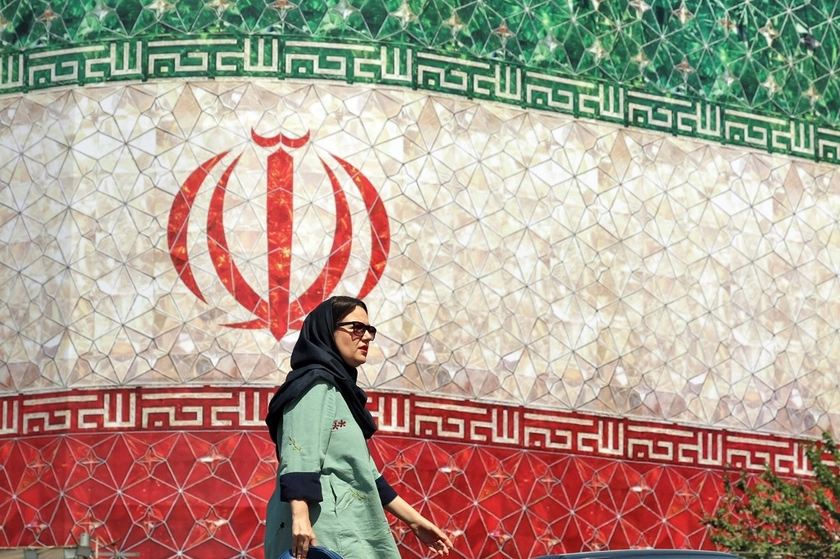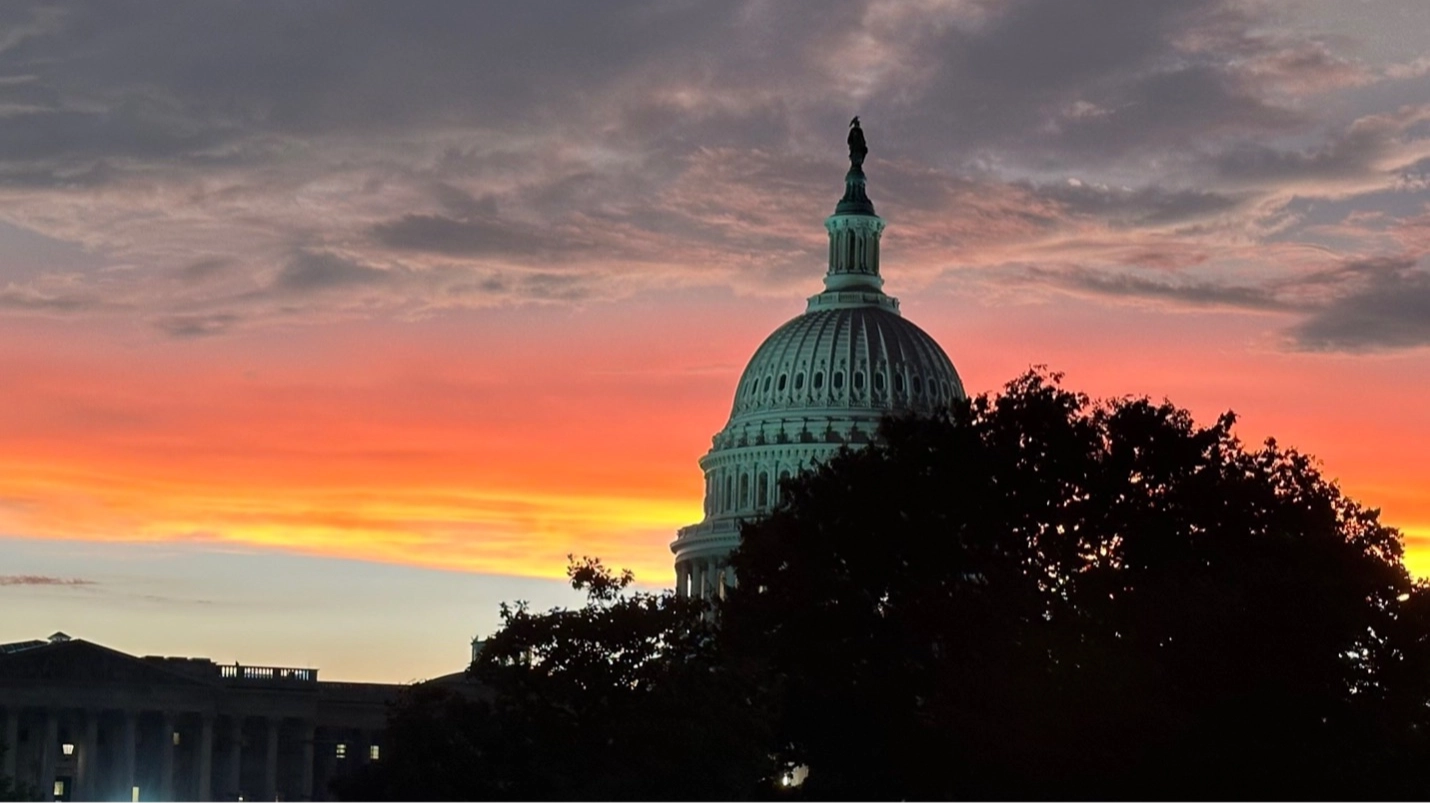
WASHINGTON DC – A bipartisan pair of leading US Senators has recently introduced a bill urging the Trump administration to develop a whole-of-government strategy to disrupt growing cooperation among Russia, Iran, China, and North Korea, Kyiv Post’s Washington correspondent reports.
The legislation is titled The DISRUPT Act of 2025 and is authored by Senators Chris Coons (D-DE) and David McCormick (R-PA).
JOIN US ON TELEGRAM
Follow our coverage of the war on the @Kyivpost_official.
The move comes amid growing concerns that Moscow has been strengthening cooperation with the three partners – Iran, China and North Korea – in the midst of its war against Ukraine, including through an increased transfer of weapons and munitions, sharing military technologies, launching disinformation campaigns, and coordinating joint operations that “threaten the stability of the international order,” as the authors put it.
The bill also asks the US government to create interagency task forces to ensure a coordinated, long-term response against peer adversaries, according to a copy of the draft seen by Kyiv Post.
“Our adversaries are becoming friends and despite this looming threat, the US lacks a strategic response to our adversaries increasing alignment,” the authors claim.
The DISRUPT Act highlights the need for the Trump administration to direct the intelligence community to report on the trajectory of adversary collaboration across diplomatic, informational, military, and economic domains and its impact on American interests.

Russia Disguises Fuel Trucks as Milk Tankers to Reach Crimea
The legislation also reinforces the US commitment to strategic leadership, strengthening alliances, and creating a long-term strategy to preserve its national interests.
The Senate bill reflects growing concerns among many US analysts that Russia’s war on Ukraine and aggression against Europe is substantially sustained through its close ties with China – while Beijing has sought to wield Russian militarism to attack the international order and undermine US and Western power.
According to May 28 report of the Congressional Research Service, a legislative branch agency, US officials assess that China is a crucial source of components for Russia’s defense industry.
“Iran’s supply of drones and North Korea’s large supply of artillery ammunition have also proven crucial to supporting Russian military operations,” reads the report.
Speaking to Kyiv Post on Wednesday, one congressional aide familiar with the Coons-McCormick bill, called demands for a whole of US government strategy to increasing partnership between Russia and its partners “timely”, suggesting that it can “help the US respond more effectively by developing integrated countermeasures across diplomatic, economic, and security domains.”
In the meantime, sceptics such as veteran diplomat Richard Kauzlarich, who once served as a Presidential envoy to the Newly Independent States during the Bill Clinton administration, believes that while the Coons-McCormick bill would be “a laudable idea” in a different foreign policy environment, under current circumstances, it will be ignored by the Trump administration.
The bill, Kauzlarich told Kyiv Post, reflects “a growing frustration in Congress with the transactional and unpredictable nature of Trump foreign policy.”
“It’s unclear whether this will change how Trump approaches the key challenges presented by China and Russia’s invasion of Ukraine,” the veteran diplomat emphasized.
You can also highlight the text and press Ctrl + Enter