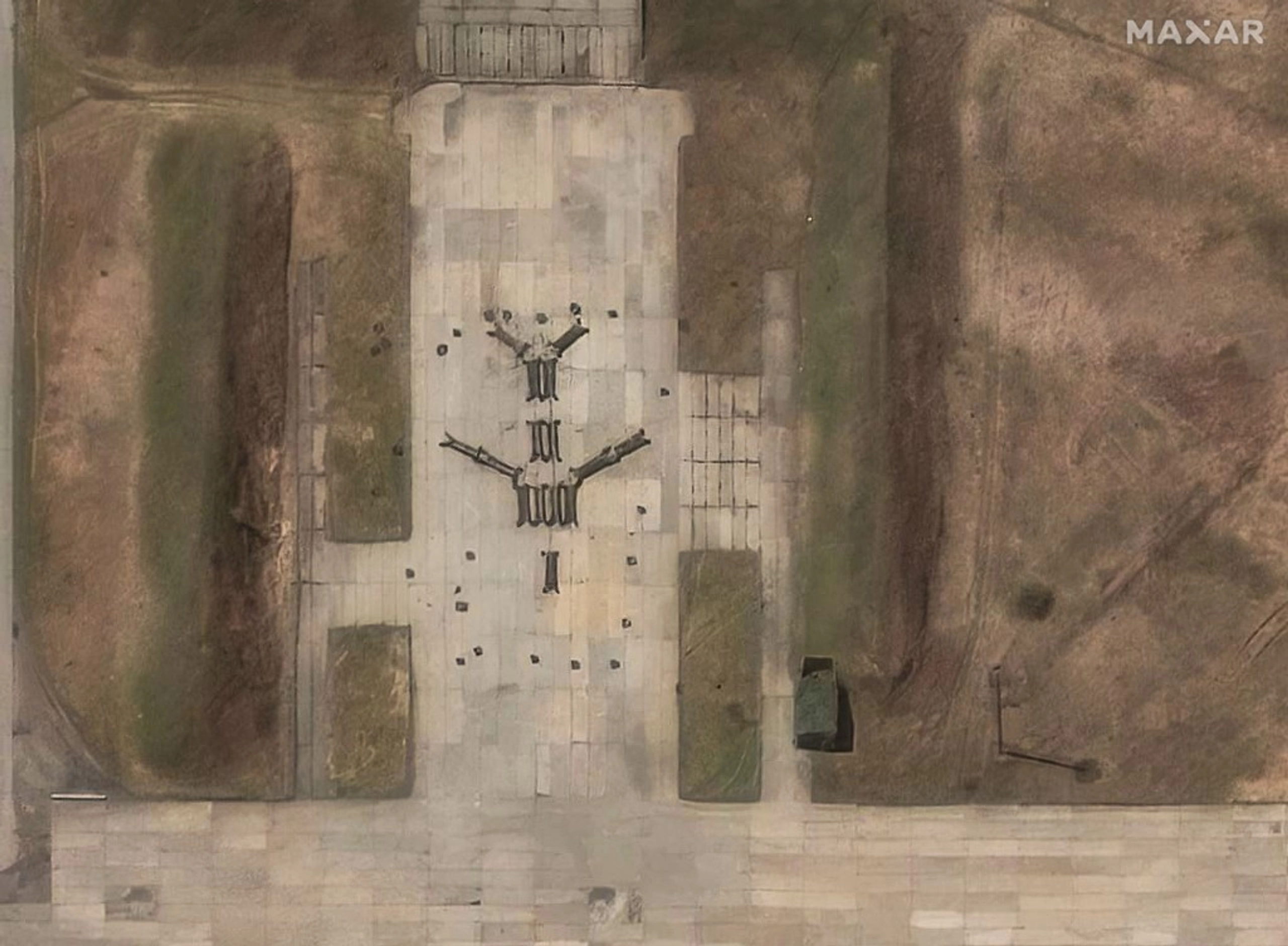
In a stunning display of audacity and strategic restraint, Ukraine’s Operation Spiderweb gutted Russia’s strategic aviation platforms, targeting the heart of its long-range missile capabilities. And it now appears the strike came without a moment to spare. Late breaking information suggests that Ukraine’s strike may have preempted a Russian multi-bomber assault which would have delivered the largest Russian missile attack of the war – timed to tear apart Ukraine cities just as the Istanbul talks resumed.
Ukrainian forces, leveraging technology and audacity, hit airfields hosting Russia’s aging fleet of Tu-95 and Tu-22M3 bombers, leaving an estimated 41 aircraft – according to Ukrainian sources – or “about 40,” per Russian admissions, destroyed, damaged or left burring.
JOIN US ON TELEGRAM
Follow our coverage of the war on the @Kyivpost_official.
With Russia’s strategic aviation inventory totaling roughly 80 aircraft, Spiderweb has dealt a crippling, if not mortal, blow to Moscow’s ability to launch air-launched cruise missiles (ALCMs) against Ukrainian cities.
The numbers are stark, but the reality is grimmer. Not all of Russia’s remaining strategic aircraft are combat-ready. Many, particularly the Soviet-era Tu-95s – designed in the 1950s and derisively nicknamed “missile trucks” for their role in lobbing ALCMs at Ukrainian cities – are getting long in the tooth.
EU Unveils New Sanctions Hitting Russia’s War Economy, Propaganda Network
Some of these aircraft are past their prime – 50-year-old hangar queens, unflyable hulks, cannibalized for parts to keep others aloft. Even the supersonic Tu-22M3, a Putin mainstay, is actually another Cold War relic. Though decades newer than the Tu-95s, the Tu-22 dates from 1969, with the latest ‘M’ versions receiving pre-digital Soviet updates in the big hair days of the ’80s and ’90s.
Replacing these losses is a pipe dream; Russia’s defense industry, hamstrung by sanctions and atrophy, cannot produce these complex platforms at scale. Each airframe lost is a wound that won’t heal.
What sets Operation Spiderweb apart is its calculated restraint. Ukrainian planners spared Russia’s nuclear-capable bombers.
What sets Operation Spiderweb apart is its calculated restraint. Ukrainian planners, aware of the geopolitical tightrope, deliberately spared Russia’s more modern, nuclear-capable Tu-160 bombers, even when they were in the open, vulnerable, next to their antique cohorts.
This was no accident but a masterstroke to avoid provoking a nuclear escalation while gutting the conventional platforms Moscow has relied on to terrorize Ukrainian civilians. The Tu-95s and Tu-22M3s, workhorses of Russia’s missile barrages, were the primary targets – and their losses will sting.
The immediate impact on Russia’s campaign may be limited – Kremlin planners typically deploy 7 to 11 bombers per missile salvo, and they may scrape together enough airframes to maintain this tempo for now. But the long-term implications are profound. Losing nearly half of its strategic aviation fleet – or more, if damaged aircraft are beyond repair – severely curtails Russia’s ability to project power at range.
The Tu-95, despite its age, remains a cornerstone of Moscow’s geostrategic posturing, capable of carrying heavy ALCM payloads to strike targets far beyond Ukraine. Each loss shrinks Russia’s ability to intimidate neighbors or flex muscle on the global stage. This strike was a blow to Russian pride, and more critically to its ability to project power.
Operation Spiderweb’s success lies not just in the body count but in its erosion of Russia’s strategic flexibility. Fewer bombers mean fewer options for sustained campaigns, forcing Moscow to lean harder on other assets, like naval or ground-based missile systems, which are themselves strained.
This degradation could open a window for de-escalation, as Russia’s diminished capacity might push it toward negotiations to limit long-range strikes – a faint hope, but one Ukraine has cleverly kept alive by avoiding the Tu-160s.
For Ukraine, this operation is a triumph of precision and strategy, showcasing its ability to strike deep, degrade critical enemy assets, and keep the moral high ground. While missile strikes on Ukrainian cities may not cease immediately, the Kremlin’s air armada is now a shadow of its former self.
Operation Spiderweb has spun a trap that Russia, with its creaking, irreplaceable fleet, cannot easily escape. As the war grinds on, Ukraine’s ability to land blows like this – calculated, devastating, and restrained – may yet force Moscow to rethink its long-range aggression.
The views expressed in this opinion article are the author’s and not necessarily those of Kyiv Post.
You can also highlight the text and press Ctrl + Enter