The Kremlin has used the latest round of Istanbul talks not to seek peace but to buy time to regroup for the summer offensive and focus on plans to create a buffer zone in frontline regions, particularly in the north and east of Ukraine (the Chernihiv, Kharkiv, and Sumy regions).
The buffer zone strategy, first publicly mentioned by Russian President Vladimir Putin as a means of ensuring safety for Russia’s border regions with Ukraine, has taken on new aggressive dimensions. Russian public officials, such as Dmitry Medvedev, have openly called for expanding this zone westward, transforming what was initially described as a defensive measure into an expansionist doctrine. While some analysts consider it a diversionary strategy to disperse and weaken Ukraine’s forces, the risk of a real territorial seizure should not be underestimated and requires a response that extends beyond just military planning.
JOIN US ON TELEGRAM
Follow our coverage of the war on the @Kyivpost_official.
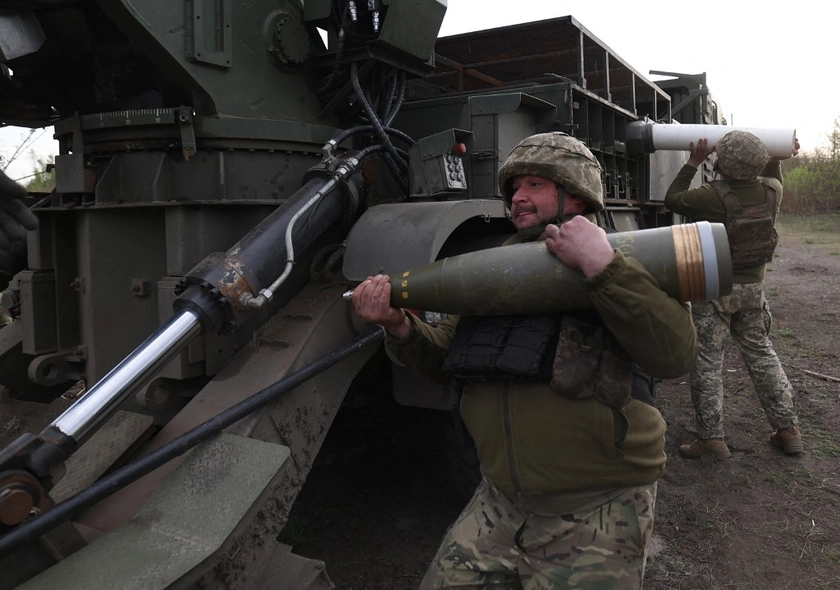
As of early June 2025, the Russian army has deployed approximately 125,000 troops to the borders of the Kharkiv and Sumy regions. The Kremlin has leveraged the negotiation window to rotate in fresh equipment, additional manpower, and drone capabilities, preparing for sustained multi-front offensive operations this summer. Evidence also points to simultaneous offensive plans in the south, east, and north, potentially marking the second time since 2022 that Ukraine must repel Russian assaults on multiple fronts.
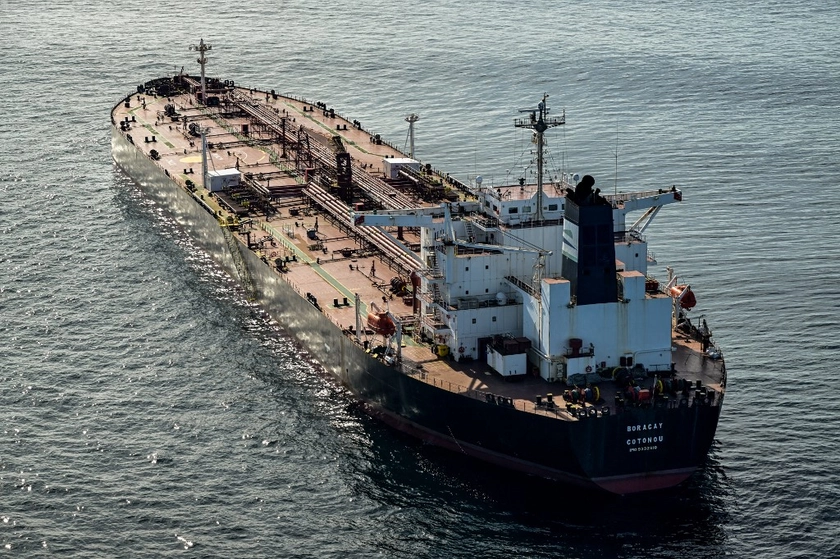
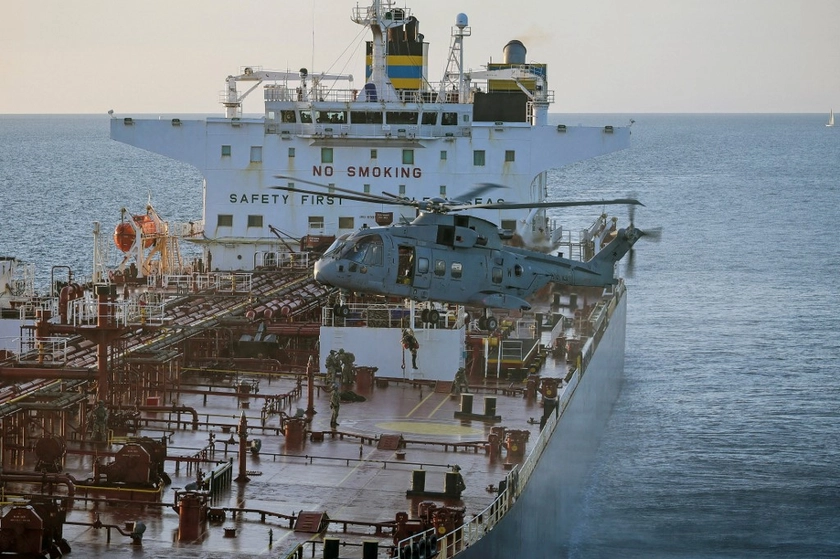
UK Seizure Reveals How Russia’s Shadow Fleet Evades Oil Sanctions
However, unlike in 2022, Ukraine’s military is now more understaffed. In turn, the Russian army has shown a willingness to absorb high losses in pursuit of tactical gains. The Kremlin’s minimal objective appears to be the occupation of at least four regions (Luhansk, Donetsk, Zaporizhzhia, and Kherson) and the establishment of a militarized buffer zone in the northeast of the country (Chernihiv, Sumy, and Kharkiv regions).
Moreover, these offensive preparations are not just part of the Kremlin’s expansionary ambitions; they might also lead to grave humanitarian consequences far beyond the frontline regions. As in previous offensives undertaken by the Russian army, a surge in forced displacement, critical infrastructure damage, and an increase in casualties are likely to follow.
Looming humanitarian catastrophe
In light of Russia’s military build-up, Ukraine faces a new wave of internal displacement that would be extremely challenging to handle due to the decreased funding and limited staff in the humanitarian sector in the country.
As of today, the humanitarian system remains critically underfunded, with only 20% of the $2.63 billion requested in the 2025 Humanitarian Needs and Response Plan received by May 1, 2025. This situation is further exacerbated by the US funding freeze, which has already hurt humanitarian operations in Ukraine, undermining multiple programs and critical aid delivery to people in need throughout the country. 70% of Ukraine’s NNGOs are involved in humanitarian efforts, and they cannot absorb another displacement wave without sufficient international aid.
As of now, more than 3.6 million civilians remain internally displaced across Ukraine, with many of them forced to flee multiple times since 2022. Moreover, over 200,000 civilians residing close to frontline regions could be potentially displaced by the autumn of 2025 once the Russian summer offensive escalates.
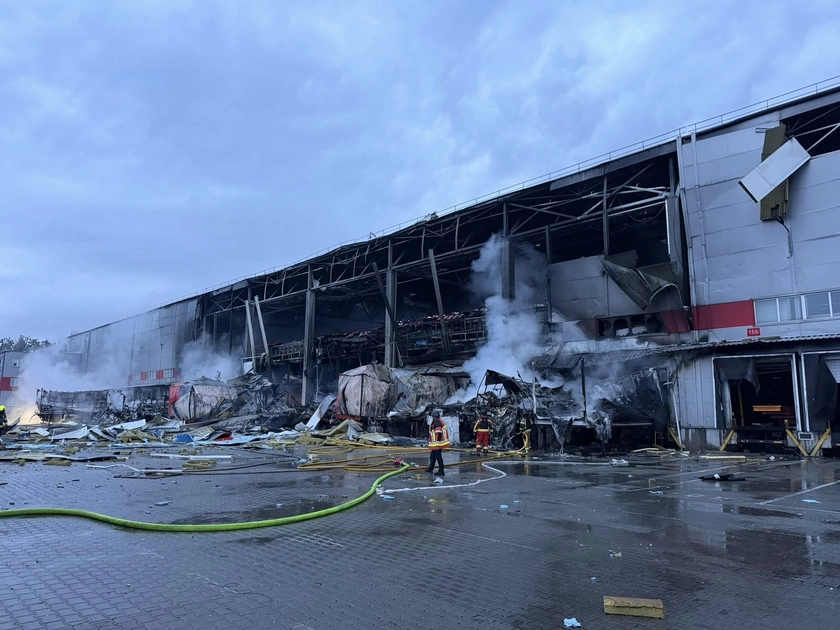
As part of its hybrid warfare toolkit, the Kremlin attempts to destabilize Ukraine by making targeted frontline regions uninhabitable via sustained destruction of critical infrastructure. This could be observed in Russian active usage of shelling, drones, and rocket strikes coupled with intensified attacks by ground troops. Recently, these activities have led to several new waves of mandatory evacuations across frontline regions. These evacuations are often hindered by constant Russian shelling and drone attacks.
In the Sumy region, recently, the Russian army has captured several villages and has stepped up shelling, drone, and rocket attacks across the region, particularly in the city of Sumy. There were numerous casualties, including deaths recorded in the last couple of weeks, along with substantial damage to critical civilian infrastructure. Last week, the local authorities ordered the mandatory evacuation of residents from 11 more settlements in the Sumy region, making residents of 213 settlements subject to mandatory evacuation.
In the Chernihiv region, the Kremlin plans an offensive while constantly conducting attacks across the region, particularly by using FPV drones. Many of these attacks have led to damage to residential buildings and casualties among civilians, but the evacuations remain constrained due to the worsened security situation. For instance, last week, only 17 civilians were evacuated from affected border communities, despite ongoing drone and shelling attacks, with 770 civilians still residing in the 5-kilometer border zone with Russia.
Meanwhile, in the Kharkiv region, the Russian army is intensifying its offensive in several locations, particularly around the cities of Vovchansk and Kupyansk. Since the spring, there have been numerous combined drone and rocket strikes against civilian infrastructure, often leading to multiple casualties among civilians in Kharkiv city and across the region. Due to the worsened security situation, authorities are currently preparing to expand evacuation zones to include several new settlements.
In the Donetsk region, more than 305 people were evacuated in a single day, including 34 children and 14 people with disabilities, as attacks have intensified around Chasiv Yar and Toretsk. Recently, the Head of the Donetsk Military Administration confirmed that new rounds of evacuations were expected in light of a new escalation. Also, nearly 2,000 civilians remain in Pokrovsk, a critical Ukrainian military and logistics hub where evacuation efforts are complicated by ongoing Russian shelling and drone attacks.
In the Zaporizhzhia region, Russians have launched new offensive operations near Robotyne and Stepove, targeting logistics hubs and frontline settlements. The Russian army has also methodically targeted civilian infrastructure by using shelling and FPV drones, leading to several new mandatory evacuations of legal guardians with children across a couple of new settlements.
And finally, in the Kherson region, the Kremlin is waging a brutal drone campaign to terrorize civilians and force depopulation. The UN’s Independent International Commission of Inquiry on Ukraine found nearly 150 civilians were killed in 10 months, with Russian drone attacks deliberately targeting civilians outdoors.
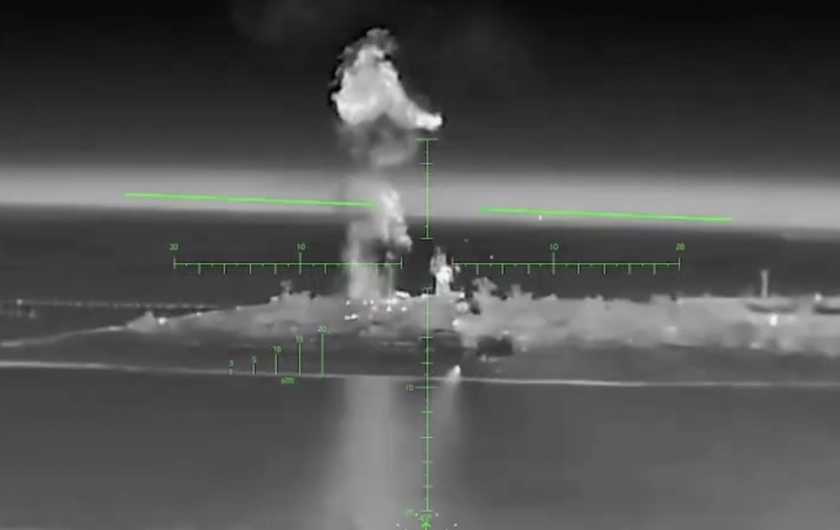
In this regard, the Kremlin sows fear by posting drone footage styled like video games on Telegram, reinforcing psychological pressure on the civilian population. Such actions are part of its broader hybrid strategy to take over the frontline regions militarily once they become uninhabitable.
A call to action
Unfolding offensive operations across frontline regions will have not only military consequences but also humanitarian implications that could influence Ukraine’s internal stability.
The Kremlin’s planned buffer zone is not just a military maneuver to stretch Ukrainian troops as part of a Russian summer offensive. It is part of a broader hybrid strategy to force displacement, disrupt governance, and exhaust Ukraine’s internal capacity to accommodate newly displaced civilians.
To prevent this, Western leaders should urgently prioritize the delivery of military aid to Ukraine, support Ukraine’s civilian infrastructure that has been adversely affected, and assist frontline evacuation and shelter systems to avoid overloading and collapse under new large-scale displacement waves. If these steps are not taken, we can expect severe humanitarian consequences that will have an impact not only within Ukraine but also in Europe by the end of this year.
These realities need to be addressed urgently at the G7 summit in Canada this week and not swept under the carpet because of challenges elsewhere.
The views expressed in this opinion article are the author’s and not necessarily those of Kyiv Post.
You can also highlight the text and press Ctrl + Enter