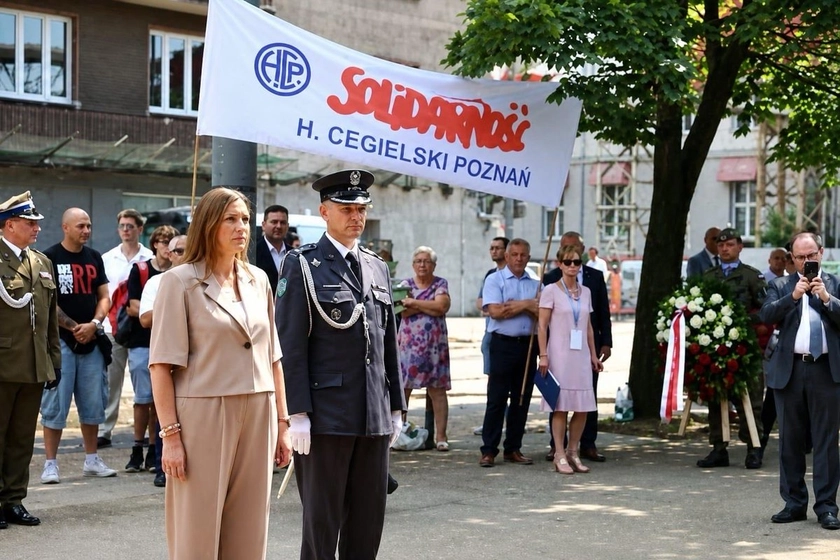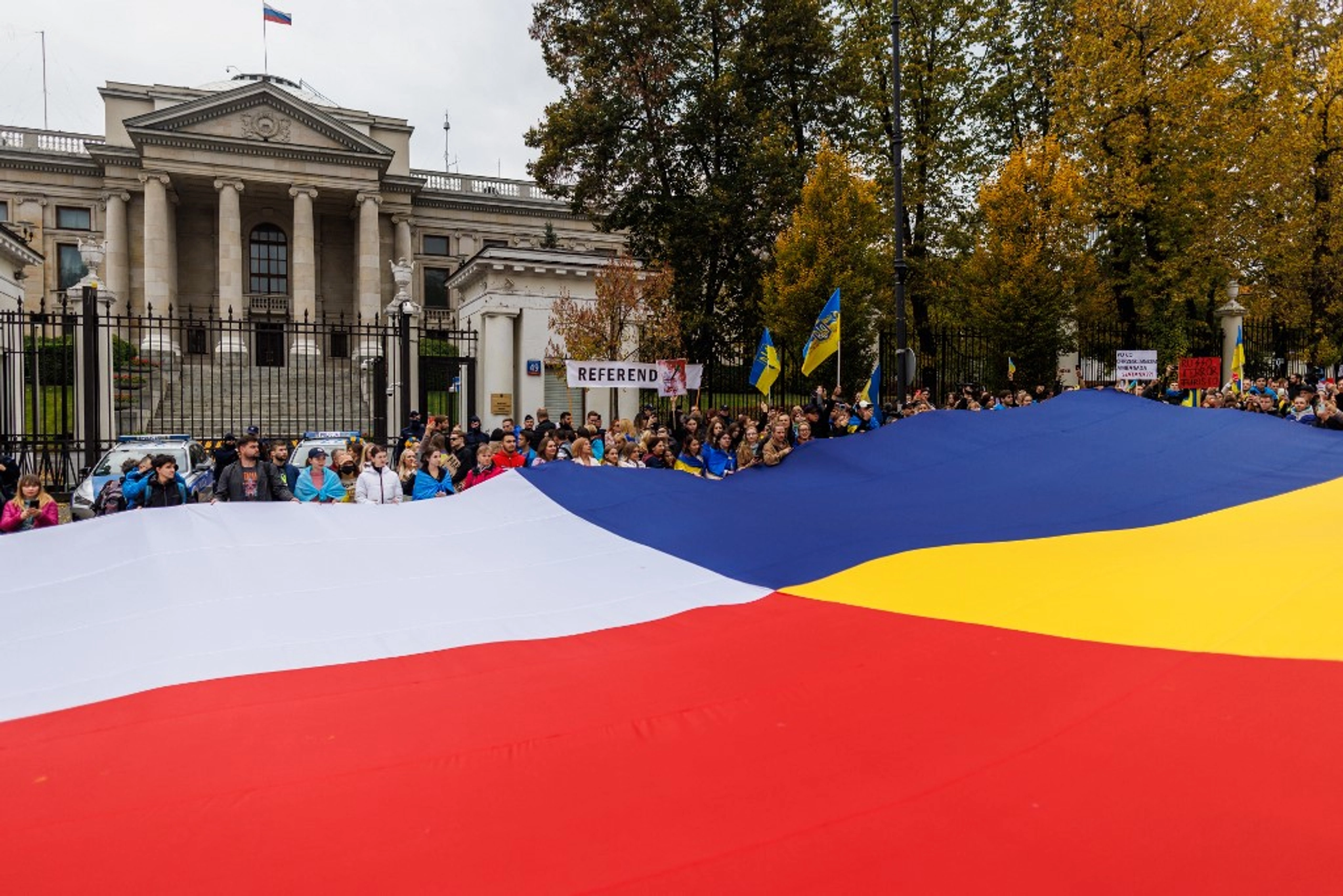
On June 3, the Polish parliamentary Committee on Culture adopted a bill establishing July 11 as a National Day of Remembrance for Poles – Victims of Genocide Committed by the OUN-UPA in the Eastern Borderlands of the Second Polish Republic. This occurred at a time when the first search and exhumation works related to the Volhynia Massacre were underway – a matter that has remained unresolved in Polish-Ukrainian relations for years.
Another striking fact is that since 2016, a similar holiday with a slightly different name has already been in effect: the National Day of Remembrance for the Victims of Genocide Committed by Ukrainian Nationalists Against the Citizens of the Second Polish Republic. Establishing a new remembrance day that already exists may seem absurd on the surface, but in reality, it could be a provocation aimed at inflaming Polish-Ukrainian relations by exploiting an issue that evokes strong emotions in Poland.
JOIN US ON TELEGRAM
Follow our coverage of the war on the @Kyivpost_official.
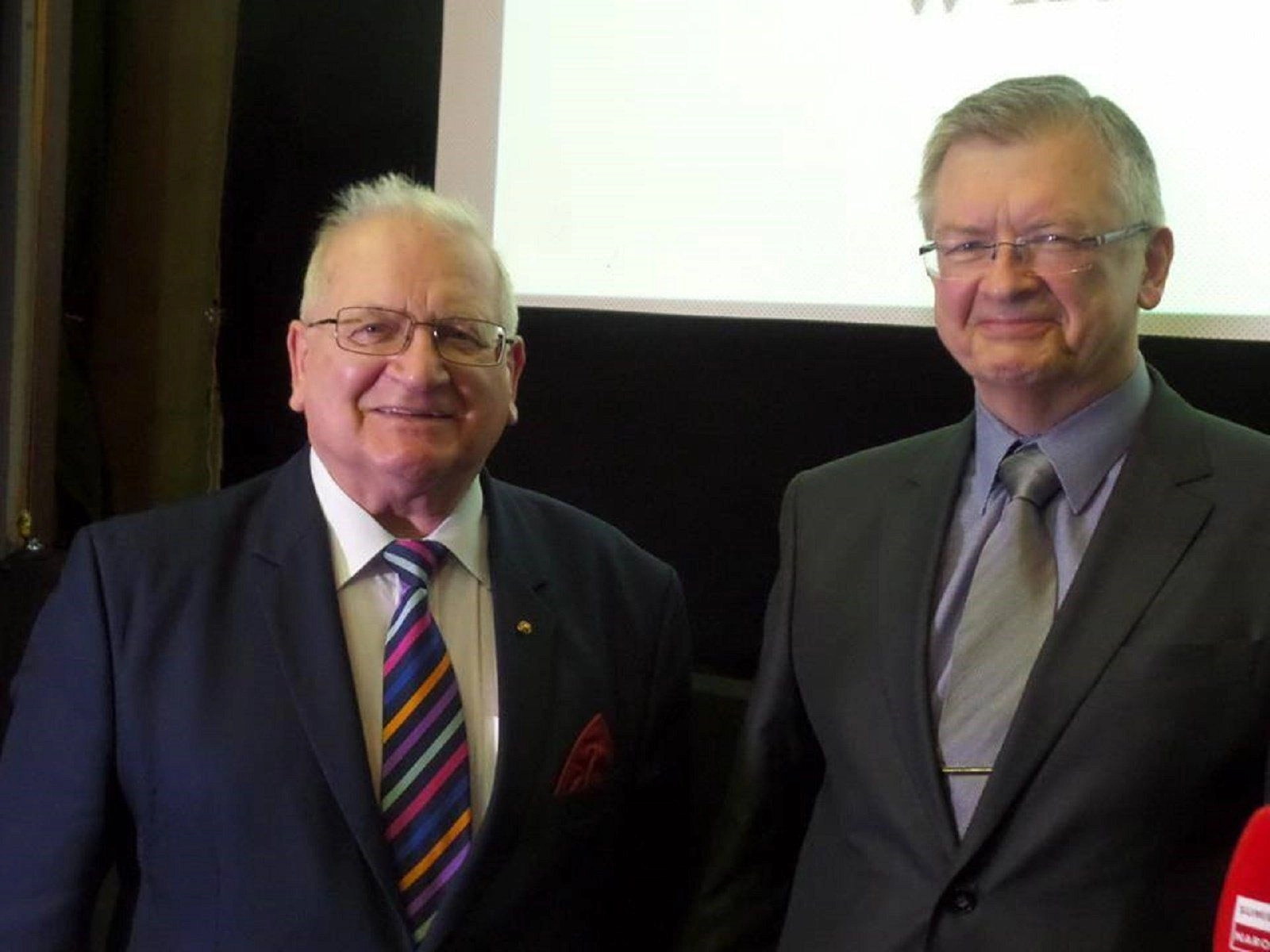
The author of the bill is Tadeusz Samborski, a Polish People’s Party (PSL) MP who received his PhD in history in 1977 at Moscow State University in the Department of Slavic History. He was a diplomat during the communist era and for years was a member of the Polish-Soviet Friendship Society. In 2023, his book was published by the pro-Russian outlet Myśl Polska.
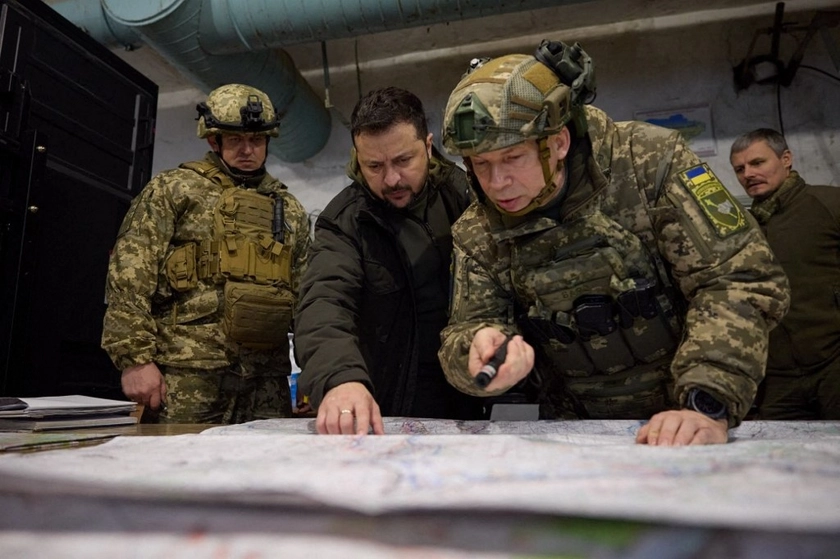
Syrsky: Russian Maps Show False Advances to Please Top Command
Of course, commemorating victims is a natural and legitimate act. However, according to Kyiv Post sources, this move violates a Polish-Ukrainian agreement, which set out a sequence: first, search and exhumation works, and only then the formation of joint state commissions to address victim commemoration on a national level.
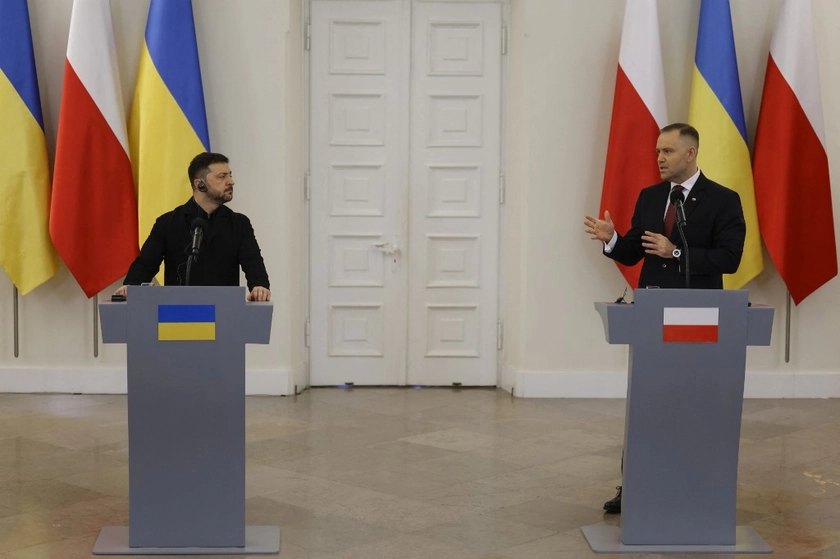
Two days after the bill was adopted, Ukraine’s Ministry of Foreign Affairs responded with a statement noting: “Unilateral steps do not contribute to mutual understanding and reconciliation, which our countries have been working on for a long time, particularly within the format of the Joint Ukrainian-Polish Historical Dialogue Group... Poles should not look for enemies among Ukrainians, and Ukrainians should not look for enemies among Poles. We have a common enemy – Russia.”
This diplomatic message was not well received in Poland. Public opinion reacted with particular outrage to the use of the phrase “so-called genocide” in reference to the Volhynia Massacre.
It didn’t take long for further provocations to emerge. On Saturday, an image of an alleged document from the Ukrainian Ministry of Culture, signed by Minister Mykola Tochytskyi, circulated online, announcing a suspension of works in Volhynia. As it turned out, the document was a forgery, quickly debunked by both the Ukrainian minister and his Polish counterpart, Hanna Wróblewska.
Polish politicians across party lines, including Michał Dworczyk of the Law and Justice (PiS) party, shared the fact that it was a fake. Another detail raised suspicion: the forged document contained an incorrect name of the Ukrainian ministry: Ministry of Culture and Strategic Communication of Ukraine – the actual name is Ministry of Culture and Strategic Communications of Ukraine. The word “Communications” is plural in both Ukrainian and English, while the forgery used the singular form – matching the incorrect Polish translation. Many indicators point to Russia being behind these hybrid information operations, though the question of a possible Polish subcontractor remains open.
But that wasn’t the end. Also on Saturday, a video was released in which Professor Andrzej Ossowski from the Pomeranian Medical University in Szczecin – head of the scientific team working on the Volhynia graves – appeared to confirm the suspension of the works. That, too, turned out to be fake. Someone had created a deepfake video of the professor using AI.
“My friends called me and told me about a statement that didn’t sound like me at all. I was shocked. Anyone who knows me knows I speak in a completely different way. I’m a forensic expert and I don’t comment on political matters. From the very beginning, it was clear this video was AI-generated. Someone impersonated me and created a Facebook profile using publicly available photos. But the content posted there was nothing like what I share on my actual social media accounts. I don’t know any of the people listed as friends on the fake profile,” Ossowski told Kyiv Post.
There have been many more disinformation campaigns targeting Polish-Ukrainian relations. “During our work, we observed heightened online activity. Fake news spread suggesting that the Polish team wasn’t participating in the work, or that women and children were not being counted among the victims. I’ve been drawn into a hybrid conflict, and the information war plays no smaller role than what’s happening on the front line,” Ossowski added.
On Wednesday, June 11, Ukraine issued additional permits for search and exhumation work – this time concerning fallen Polish Army soldiers. “Our work is ongoing, and there’s no indication that it will be halted. Funerals for the identified victims are being planned. As for cooperation with the Ukrainian side, it is proceeding efficiently and professionally. I’m glad both the Polish and Ukrainian sides responded very responsibly,” said Professor Ossowski.
And the hybrid information attacks continue. Someone impersonated the Association of Ukrainians in Poland, offering artists commissions to design a monument of Stepan Bandera – a deeply controversial figure in Poland. Others posed as activists from the Ukrainian House in Warsaw. More recently, someone impersonated Maria Andrukhiw, vice president of a cultural association, and sent threats to members of the far-right Polish organization Młodzież Wszechpolska.
So the question remains: who benefits from dividing Poles and Ukrainians? The answer seems obvious – and there is no indication that these operations are over.
You can also highlight the text and press Ctrl + Enter

Russia Hit by 660-Drone Overnight Barrage Targeting Moscow, Crimea and Key Military Sites