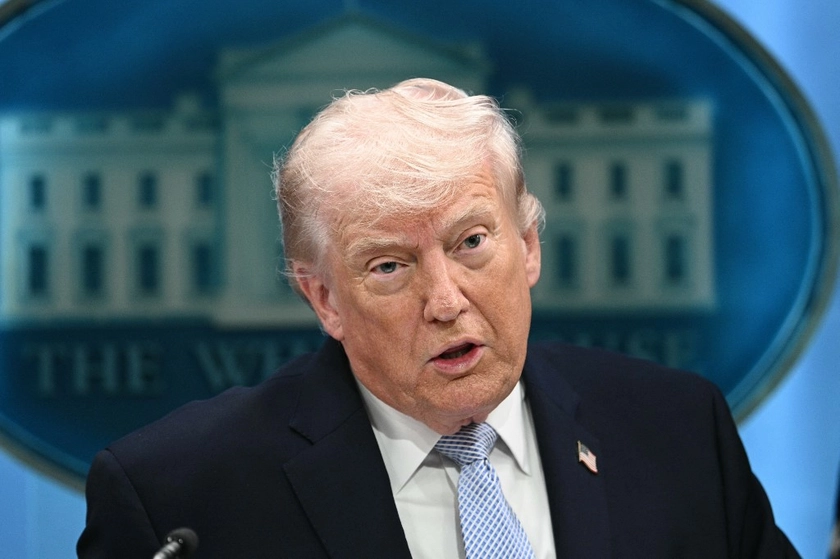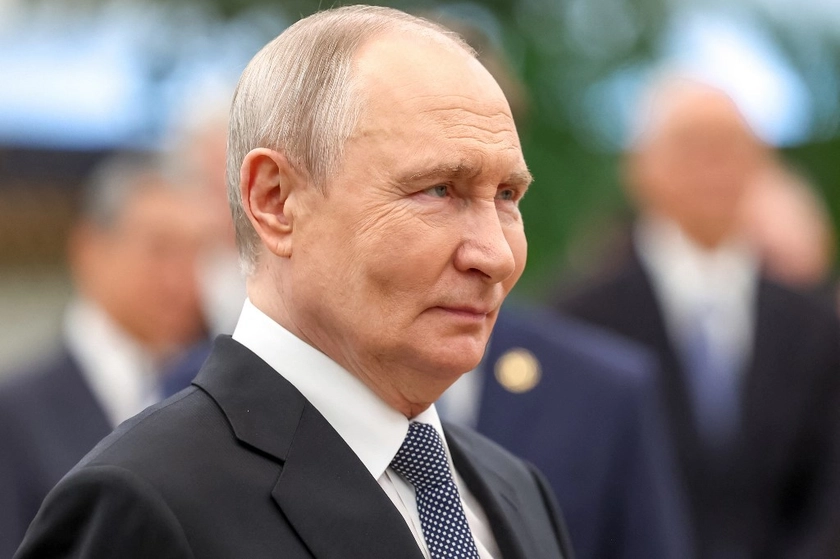
As the aftermath of the “12-Day War” between Iran and Israel continues to draw international attention, a former top US envoy to Kyiv sees similarities with Russia’s war in Ukraine and hopes that President Donald Trump will apply the “same firm stance against Russia as he did with Iran” – to pressure Moscow into agreeing to a durable peace in Ukraine.
John Herbst, former US ambassador to Ukraine during George W. Bush’s administration, said Tuesday that “if President Trump draws conclusion from his strong decisions on Iran, he will see just as Iran was playing him by willing to negotiate but not to make any serious concessions, is exactly what Putin is doing to him now in Ukraine.”
JOIN US ON TELEGRAM
Follow our coverage of the war on the @Kyivpost_official.
Herbst, currently senior director of the Atlantic Council’s Eurasia Center, was speaking Tuesday morning at the Center’s panel on “The effects of US policy in the Middle East and the latest NATO Summit on Russia’s war against Ukraine.” He recalled that when Trump became president, he had promised to bring peace to Ukraine “quickly” – by insisting on concessions from both sides and by using American power to persuade those obstructing peace to make the right decisions.
While Kyiv agreed to every proposal Trump’s team has made since mid-March in Jeddah, Russia “has rejected every single one, with the exception of the energy ceasefire, which they violated within two hours of agreeing to it,” as the ex-ambassador put it, adding that Trump should “bring the hammer down” on the Kremlin for obstructing his vision of a durable peace.
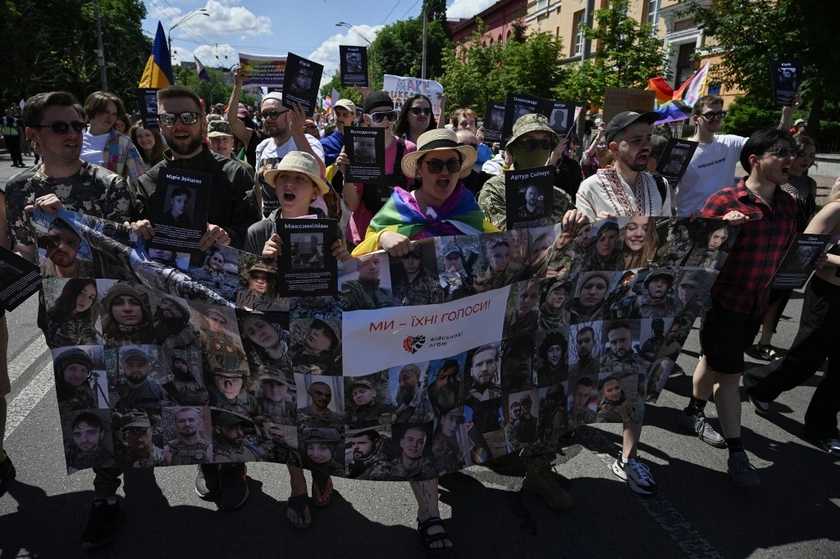
‘Die Together’: Ukraine’s LGBTQ Soldiers Fighting Russia – and for Their Rights
“President [Trump] brought the hammer down on Iran. Some are hoping – and I’m one of them – that he will use the same logic to make the same decision to make sure Russia is pressured to agree to peace in Ukraine,” Herbst added.
The diplomat went on to emphasize that what happened in Iran “was a triumph for Trump’s policy, which, if applied also in Ukraine, could have the same impact, albeit without one American soldier or airman being involved in conflict.”“It’s merely a question of providing the weapons and putting down the sanctions that will make sure Putin cannot win in Ukraine,” he said.
Herbst later highlighted three key strategies for supporting Ukraine: Continuing the Biden pipeline of weapons for Kyiv – with additional support from Trump-approved arms; utilizing $300 billion worth of frozen Russian state assets for Ukraine; and implementing additional sanctions on Russia through Sen. Lindsey Graham’s bill, which has bipartisan support.
“Anyone who studies international relations knows that diplomacy does not exist in a vacuum,” Herbst emphasized, explaining that for negotiations to be successful, you “have to have the right context, and it means to achieve your goals through diplomacy, you have to be in a position that your enemy cannot achieve its goals by military means.”
“The Biden team, intimidated by Putin’s nuclear threats, never provided the weapons in sufficient quantity or quality to give Ukraine an edge on the battlefield that could have enabled successful diplomacy,” he said.
As for Trump, the ex-ambassador said that while the White House has outlined a reasonable objective to achieve a durable peace, Trump has not implemented that objective in a sensible manner, as Putin has made clear that his desire is not peace in Ukraine – it’s to have effective political control over Trump.
If the US president really wants to achieve his goal of a durable peace, he “has to bring the hammer down on the Kremlin,” Herbst insisted: “You are not going to sweet talk Putin into giving up his objectives. You have to show him that there are very serious consequences to defying President Trump.”
He concluded: “We have not seen the same strength of purpose towards Russian aggression from this administration that we’ve seen towards Iran’s desires for conquest or control in the Middle East. But I still think there’s a reasonable chance we will see that. We haven’t seen it yet.”
You can also highlight the text and press Ctrl + Enter

Russia Hit by 660-Drone Overnight Barrage Targeting Moscow, Crimea and Key Military Sites