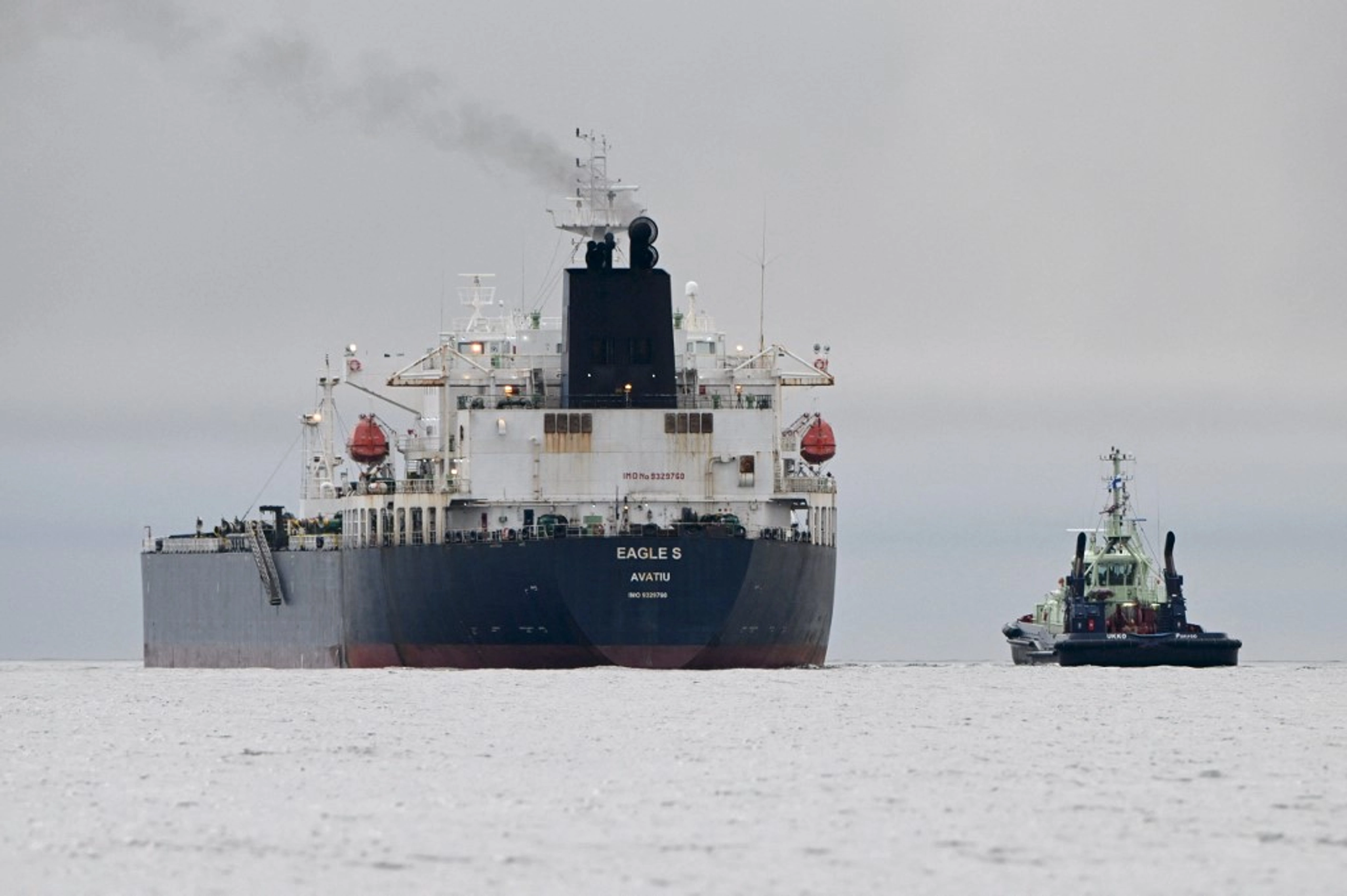
Operation Spiderweb epitomized Ukraine’s relentless campaign of asymmetrical and unconventional warfare against Russia. But an equally effective covert operation has taken aim at the heart of Russia’s illicit shadow fleet of oil tankers. Operating under flags of convenience to dodge Western sanctions, these ships are Moscow’s lifeline, ferrying oil to fund its war machine. And Ukraine is striking them worldwide.
In a series of audacious attacks spanning the Black Sea, Mediterranean, and the Baltic, Ukraine has conducted a series of maritime sabotage attacks targeting these vessels. Pinpoint demolition attacks have targeted critical systems – engines, steering, and propulsion shafts – with surgical precision. The result is a masterclass in disruption, exposing the fragility of Russia’s maritime logistics and tightening the noose on its war economy.
JOIN US ON TELEGRAM
Follow our coverage of the war on the @Kyivpost_official.
On Jan. 28, 2025, the Marshall Islands-flagged shadow tanker Seacharm was struck off Turkey’s Black Sea coast. A suspected Ukrainian naval drone delivered an explosive payload that tore a 3-foot (1-meter) breach in the hull, targeting the engine compartment. The damage crippled the tanker’s propulsion, leaving it dead in the water and underscoring Ukraine’s ability to project power far beyond its borders. The Seacharm attack sent shockwaves through Russia’s shadow fleet, which relies on discreet routes to evade sanctions.
Zelensky Confirms Deep Strikes on Russian ‘Temp’ Fuel Reserve and ‘Azot’ Chemical Plant
Days later, on Feb. 4, the Liberia-flagged Grace Ferrum was hit near Tobruk, Libya, a hub for Russia’s illicit oil trade. The explosion, likely from a drone-delivered munition, targeted the vessel’s propulsion shaft, causing catastrophic damage that necessitated a complex salvage operation. The strike’s precision – disabling the ship without sinking it – highlighted not only Ukraine’s intelligence capabilities but its technical and operational prowess.
On Feb. 15, the Malta-flagged Seajewel, anchored near Savona-Vado, Italy, was rocked by two explosions. The blasts tore a 2x4-foot hole in the hull, targeting the steering gear and engine room. The attack rendered the tanker inoperable, forcing it into drydock and sending a bold message: Ukraine can strike in European waters with impunity. The operation’s sophistication, likely involving real-time tracking and covert assets, showcased Kyiv’s growing mastery of maritime sabotage.
Later that month, Ukraine took its sabotage operations to Russian Ports. The target was the Antigua and Barbuda-flagged Koala – hit at Russia’s Ust-Luga Port in the Baltic Sea. The explosion, penetrating one of Russia’s most fortified energy hubs, struck the ship’s propulsion system, causing severe damage to its engines. This attack, deep in Russian-controlled waters, was a stunning escalation of Ukraine’s campaign. By hitting Ust-Luga, a critical node for Russia’s oil exports, Kyiv demonstrated its ability to infiltrate heavily defended areas, likely using a combination of drones and special forces.
On June 29, 2025, the Malta-flagged Vilamoura suffered a devastating blast off Libya’s Benghazi coast. The explosion flooded the engine room, targeting the propulsion shaft and steering systems, leaving the tanker stranded. The strike’s location, in a region where Russia leverages proxies to maintain its oil trade, again exposed the shadow fleet’s vulnerabilities. The precision of the attack, minimizing collateral damage while maximizing disruption, underscores Ukraine’s lethal efficiency.
These attacks, unfolding within the framework of Operation Spider Web, reflect Ukraine’s strategic genius in asymmetrical warfare. By focusing on critical systems – engines, steering, and propulsion shafts – Kyiv ensures maximum disruption with minimal resources.
Each strike paralyzes a tanker, forcing costly repairs or salvage operations, and strains Russia’s ability to sustain its oil exports. The shadow fleet, a murky network of vessels flagged in nations like Malta, Liberia, and Antigua, is Moscow’s workaround for sanctions, but Ukraine’s campaign is systematically dismantling it.
The global fallout is profound. Ports from Turkey to Italy and Libya are now battlegrounds in Ukraine’s shadow war, with each explosion eroding Russia’s economic lifeline. Kyiv’s use of drones, covert operatives, and real-time intelligence mirrors the ingenuity of Operation Spiderweb, which has seen Ukraine outmaneuver Russia’s conventional forces through innovation and audacity.
Putin’s shadow fleet, once a symbol of Russian defiance, is now a vulnerable liability, with every tanker a potential target. As Ukraine refines its unconventional arsenal, the Kremlin faces a stark reality: no vessel is safe, and the web is closing in.
You can also highlight the text and press Ctrl + Enter