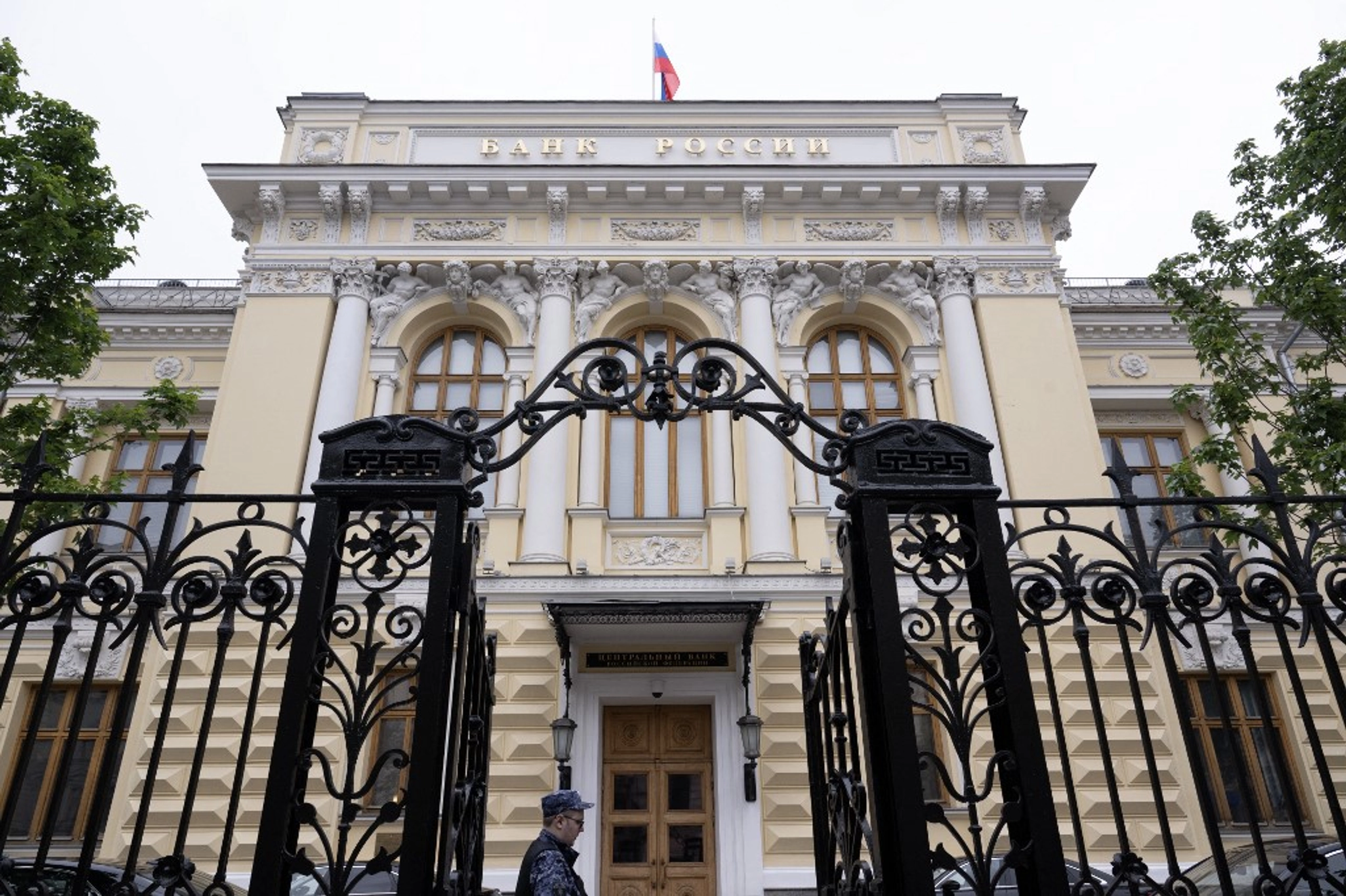
Moving Euroclear’s $190 billion in frozen Russian assets to an EU-backed special purpose vehicle (SPV) would amount to “expropriation,” risking lawsuits and financial market trust, according to Euroclear CEO Valérie Urbain.
Euroclear, a Belgium-based securities house, holds the largest share of frozen Russian assets abroad following Moscow’s 2022 invasion of Ukraine.
JOIN US ON TELEGRAM
Follow our coverage of the war on the @Kyivpost_official.
Previously, EU officials wanted to transfer $190 billion of Russian immobilized sovereign assets into an SPV to invest them in riskier assets, thus gaining more interests and allocating them in aid to Ukraine.
Transferring Russian assets from Euroclear to the SPV would have helped mitigate the risk of losing trust in Euroclear as the safest depository system in Europe, a source familiar with the discussions previously told Kyiv Post. The person is granted anonymity due to the sensitive nature of the subject.
However, it now appears that Euroclear did not approve of the plan. Euroclear CEO Urbain told the Financial Times (FT) that plans to reinvest cash into more profitable assets could risk further retaliation from Moscow and undermine the central securities depository’s key position in the financial system.
It would also amount to “expropriation” of the assets from Euroclear, leaving a ground for lawsuits, she said.
“If you increase the revenues, you increase the risks. And so who is bearing that risk?” Urbain said.
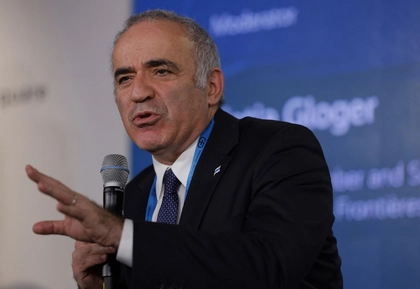
Kasparov: Ukrainian Flag in Sevastopol Is the Shock Russia Needs to Accept Empire Is Dead
Euroclear is reinvesting the cash generated from Russia’s maturing assets, such as coupon payments and redemptions, mainly through central banks, the FT wrote. But transferring them into riskier assets still poses a risk for Euroclear, according to Urbain.
Urbain warned that “someone” would have to cover such potential losses, the FT wrote.
“The systemic risk would certainly dramatically increase if we would have to go beyond the risk profile that we have and which is authorised by our supervisors,” she said.
Last year, Euroclear paid €4 billion ($4.6 billion) to Ukraine, and has paid out €1.8 billion ($2 billion) this year, Urbain added.
Urbain voiced her concerns about the EU’s plan to create the SPV for Russian assets, warning it will create “a lot of risks for Euroclear and for the European markets globally,” the FT wrote.
“Legally speaking, the creation of an SPV would mean an expropriation of the cash from Euroclear” without freeing it from the liability of restitution against the central bank of Russia, she said, adding that this would result “clearly [in] a position that we cannot bear.”
According to the FT, Euroclear faces more than 100 lawsuits over immobilized Russian assets, including those belonging to oligarchs and other sanctioned entities. Russia has already confiscated €33 billion ($38.2 billion) in assets belonging to Euroclear clients that had been immobilized at the central securities depository in Moscow, the FT reported, citing its own sources.
Urbain thinks it is not the end of Russia’s actions. “We should also certainly expect more Russian retaliation in all sorts of forms,” she told the FT.
Urbain did not give up on the idea of an SPV completely, but said such a scheme could be viable “in case of any call for restitution from the central bank of Russia, the assets are gone, [and] somebody is covering for the amount.”
The EU wants to generate more profits to help Ukraine’s economy, Politico previously wrote.
Russian assets, immobilized after the country illegally invaded Ukraine, have already generated income for Kyiv under the G7-backed Extraordinary Revenue Acceleration (ERA) initiative.
The EU’s total contribution to the ERA mechanism is expected to reach €18.1 billion ($20 billion) as part of a broader G7 commitment to deliver up to $50 billion in support to Ukraine through 2025.
Although Ukraine has already received €8 billion ($9.4 billion) from the EU under the ERA initiative, Ukraine’s international partners have yet to come up with a solution for a funding gap of roughly $17.7 billion in 2026.
You can also highlight the text and press Ctrl + Enter