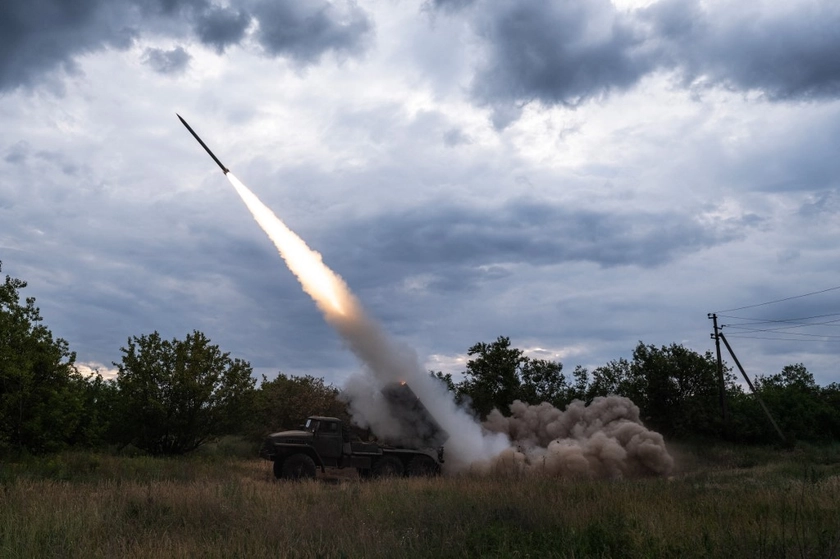
On the night of July 18-19, (beginning from 7:30 p.m. on July 18), Russia attacked Ukrainian cities with 379 air attack vehicles, according to Ukraine’s air force.
The missiles come in defiance of a 50-day ultimatum imposed by US President Donald Trump, which his Russian counterpart, Vladimir Putin, seems to be dismissing as an empty threat.
JOIN US ON TELEGRAM
Follow our coverage of the war on the @Kyivpost_official.
“Last night, our warriors from various units repelled another Russian attack. More than 300 strike drones and over 30 missiles of various types were launched against our cities,” Ukrainian President Volodymyr Zelensky posted on X.
“Target elimination is still ongoing – drones remain in the air,” he added.
“Rescue operations are underway following the attack: the Donetsk, Kirovohrad, Dnipro, Sumy, Kherson, Volyn, Zaporizhzhia, Mykolaiv, Odesa, and Zhytomyr regions were affected.”
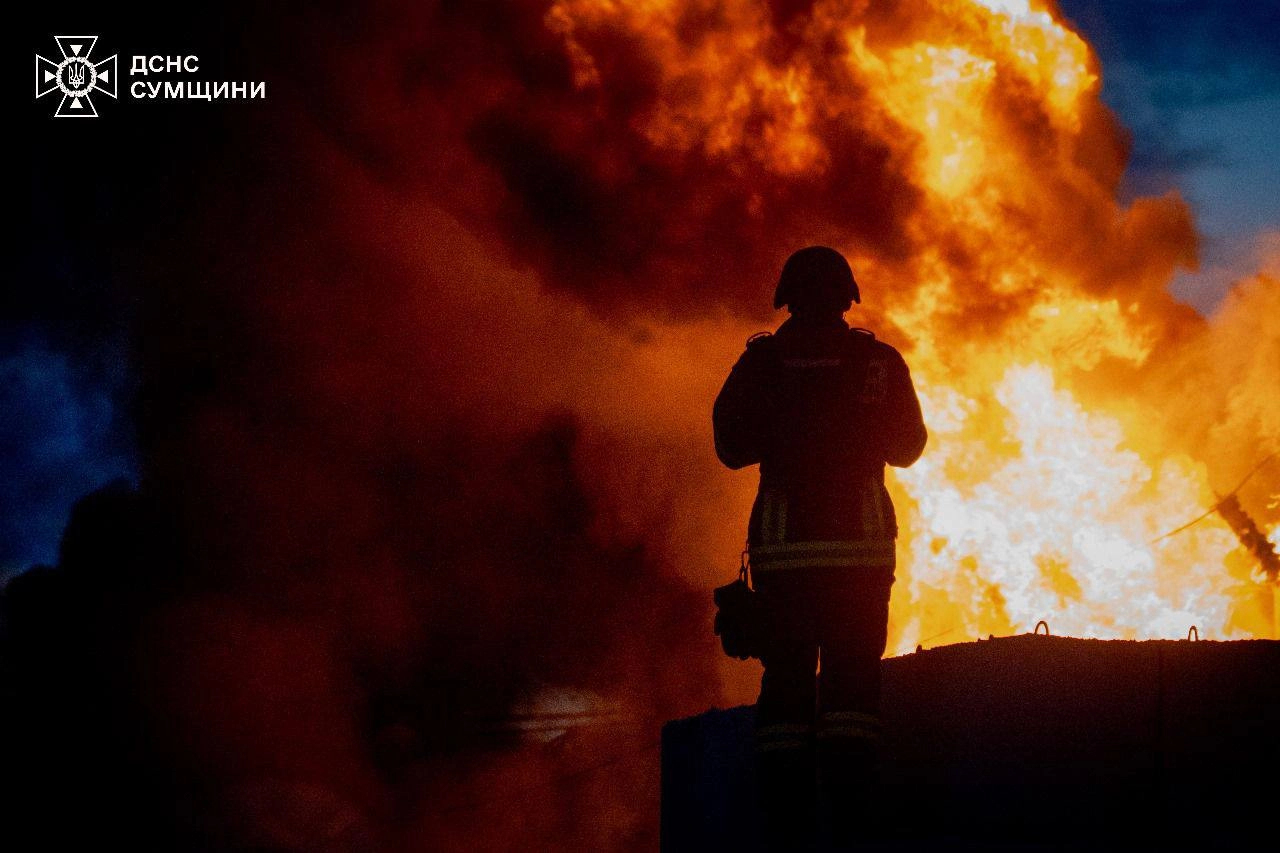
In Sumy, the statement said critical infrastructure was damaged, leaving several thousand families without electricity.
In Odesa, an apartment building was damaged – six people were injured, including a child. One person was killed.
Missiles and drones also struck Pavlohrad, damaging a residential building and vital infrastructure.
Zelensky concluded with his customary expression of gratitude: “I thank all the leaders who understand how crucial it is to promptly implement our agreements. Joint weapons production, investment in drone manufacturing in Ukraine – especially interceptor drones – the provision of air defense systems and missiles for them, and the ability to manufacture them here in Ukraine – all of this saves lives and is needed by Ukraine right now.”
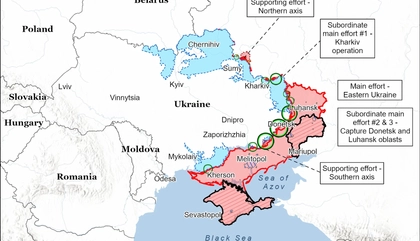
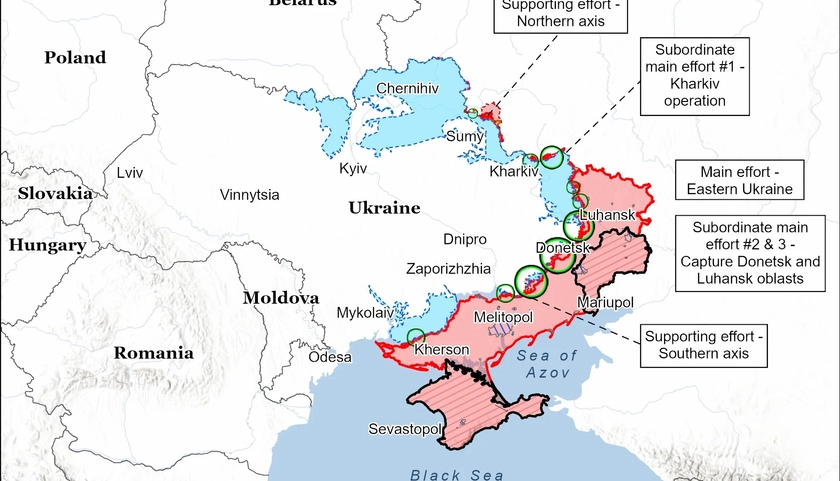
ISW Russian Offensive Campaign Assessment, June 13, 2026
Ukraine’s air force listed the types of aircraft and weapons Russia used to attack Ukraine.
- 344 Shahed-type strike UAVs and simulator drones of various types from the following directions: Bryansk, Kursk, Orel, Millerovo, Shatalovo, Primorsko-Akhtarsk, Russia;
- 12 Iskander-M/KN-23 ballistic missiles (launches from Voronezh, Kursk, Rostov regions, Russia, TOT Crimea);
- 8 Iskander-K cruise missiles (launch area - Millerovo, Russia);
- 15 Kh-101 cruise missiles (from the airspace of Saratov region, Russia).
The Ukrainian air force reports that the air attack was repelled by aviation, anti-aircraft missile troops, electronic warfare and unmanned systems units, and mobile fire groups of the Defense Forces of Ukraine.
According to preliminary data, as of 10 a.m. (Kyiv time), air defense systems had shot down 208 enemy air attack vehicles:
- 185 Shahed attack UAVs;
- 7 Iskander-M/KN-23 ballistic missiles;
- 7 Iskander-K cruise missiles;
- 9 Kh-101 cruise missiles.
Of the drone and missiles fired, 7 cruise missiles and 129 simulator drones did not reach their targets – likely interdicted by electronic warfare.
Hits of 5 missiles and 30 attack UAVs were recorded in 12 locations, and of those shot down, 7 locations reported falling debris.
Later in the day two people died after a Russian missile hit Ukraine’s central Dnipropetrovsk region, an important industrial hub, which Russia’s forces have recently advanced into.
According to the regional governor Sergiy Lysak, the strike destroyed “an outpatient clinic, a school and a cultural institution” in the Vasylkivska township, with some private houses and cars damaged as well.
Russia, meanwhile, had to suspend trains for about four hours overnight in the southern Rostov region when it came under a Ukrainian drone attack which injured one railway worker.
Many passengers remained stranded, and the suspension caused mass delays of trains in the region, which borders Ukraine and over which air traffic has been halted since the beginning of the war three years ago.
You can also highlight the text and press Ctrl + Enter