Ukraine’s National Anti-Corruption Bureau (NABU) is under investigation following allegations by the Security Service of Ukraine (SBU) that Russian intelligence may have infiltrated the agency.
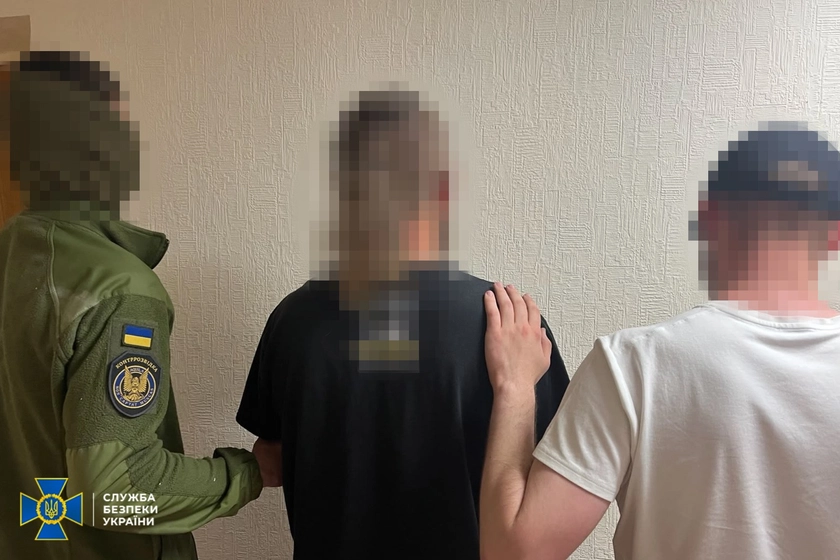
On Monday, July 21, the SBU, in cooperation with the Prosecutor General’s Office, launched coordinated raids across several regions, targeting NABU employees and individuals allegedly linked to a Russian intelligence network.
JOIN US ON TELEGRAM
Follow our coverage of the war on the @Kyivpost_official.
The investigation centers on former Ukrainian parliamentarian Fedir Khrystenko, a member of the now-banned pro-Russian Opposition Platform – For Life (OPZZh) party, who is accused of high treason and working with Russia’s Federal Security Service (FSB).
According to the SBU, Khrystenko has acted as an FSB “resident” inside Ukraine, tasked with expanding Russian influence in key institutions, including NABU.
Investigators allege that he maintained close relationships with top NABU personnel, including Ruslan Mahamedrasulov, head of one of the bureau’s interregional detective departments, and Oleksandr Skomarov, a senior official and former candidate to lead the Economic Security Bureau.
The SBU claims Khrystenko’s connections to NABU date back to university ties and extend to alleged involvement in facilitating the escape of prominent oligarchs during wartime. According to the investigation, NABU employees allegedly helped Hennadii Boholiubov – business partner of sanctioned tycoon Ihor Kolomoisky, leave Ukraine, with detectives reportedly accompanying him on his departure.
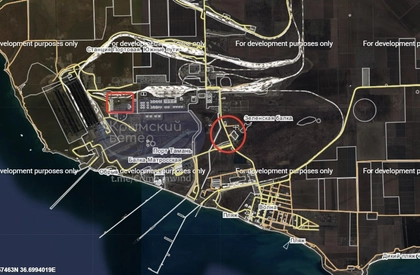
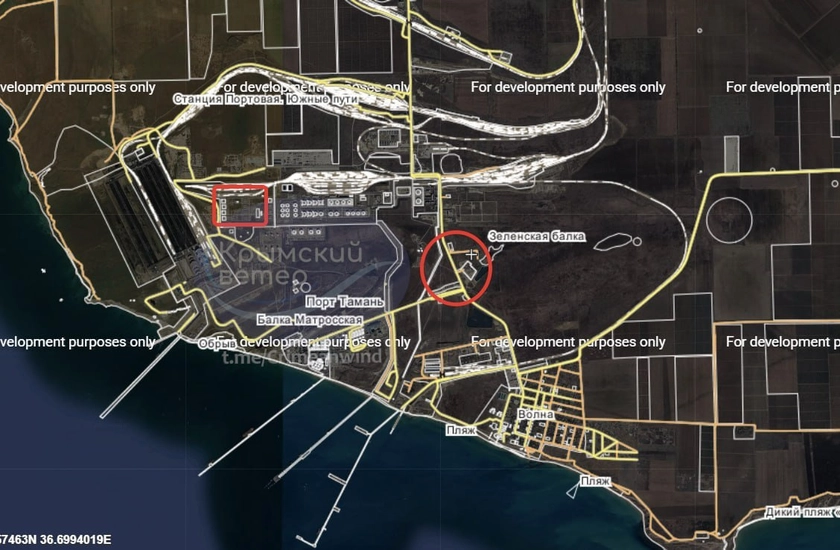
SBU, HUR, and SSO Joint Drone Strike Cripples Tamanneftegas Terminal
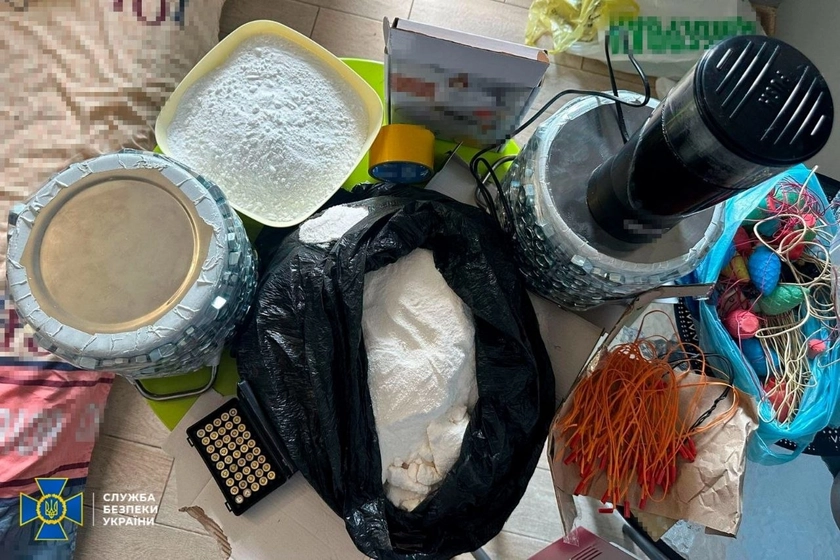
Investigators also say they discovered NABU case files and documents on covert operations in possession of individuals linked to Khrystenko, raising concerns about the unauthorized transmission of classified material.
In a separate strand of the probe, NABU official Ruslan Mahamedrasulov was detained on suspicion of business activity in the Russian Federation. The SBU alleges that he acted as an intermediary in the sale of industrial hemp cultivated by his father to buyers in Dagestan, a republic within the Russian Federation.
According to officials, Mahamedrasulov maintained communication with Russian counterparts throughout the process.
NABU has expressed concern that the investigation may have bypassed proper procedures, potentially leading to the unauthorized disclosure of sensitive anti-corruption case material to other agencies.
In a public statement, the bureau said that at least 70 searches were carried out on July 21, targeting 15 of its employees.
The agency expressed concern that many of the raids were conducted without proper court warrants and alleged that force was used against at least one detective, despite no resistance.
The bureau also criticized what it described as an unplanned inspection of its handling of classified information. According to NABU, the SBU now has access to sensitive internal documents, including information about ongoing operations conducted by NABU and the Specialized Anti-Corruption Prosecutor’s Office (SAPO). The agency warned that this could jeopardize active investigations.
“NABU employees with access to state secrets are being targeted in this inspection. Disclosing this information could compromise ongoing criminal cases,” the bureau said. The agency’s leadership added that it would conduct an internal review to assess the legality of the SBU’s actions and determine whether due process was followed.
“It is important to note that the risk of infiltration by agents of the aggressor state remains relevant for any government institution. However, this cannot be grounds for halting the work of an entire agency,” the NABU statement concluded.
NABU Director Semen Kryvonos was in the United Kingdom at the time of the raids, where he was scheduled to meet with British Foreign Secretary David Lammy. The bureau reported that Kryvonos cut his trip short and is returning to Ukraine to personally oversee the situation.
The SBU has not publicly commented on NABU’s accusations regarding procedural violations but emphasized that its actions were based on national security concerns. It says the broader operation aims to root out long-standing networks of Russian influence embedded in Ukrainian state structures.
You can also highlight the text and press Ctrl + Enter