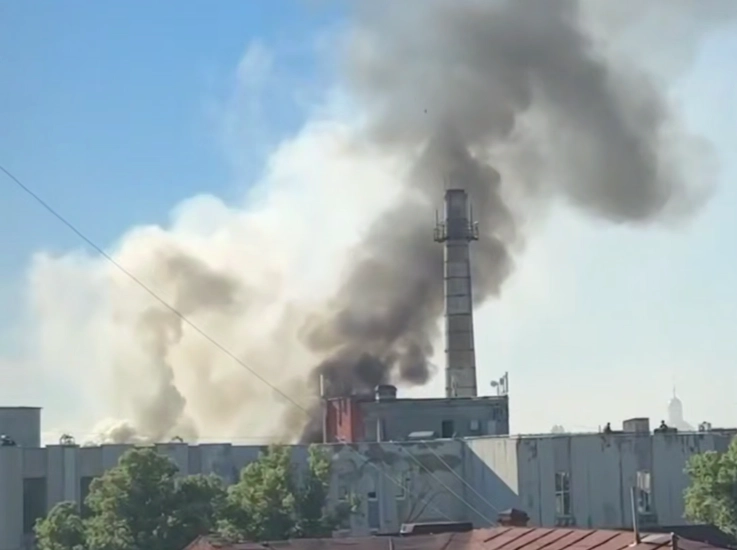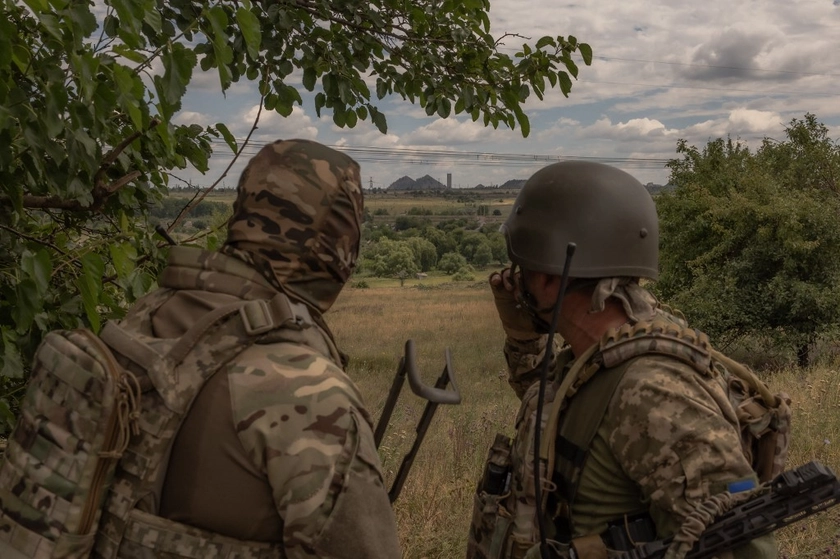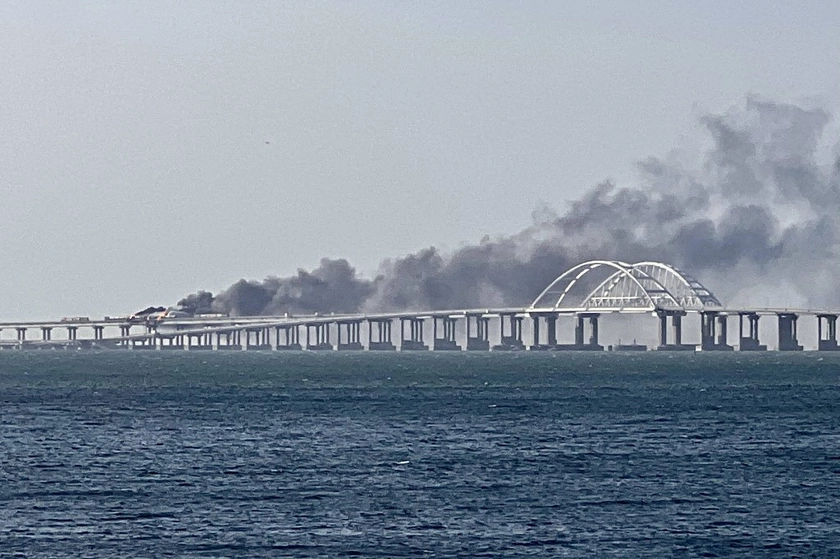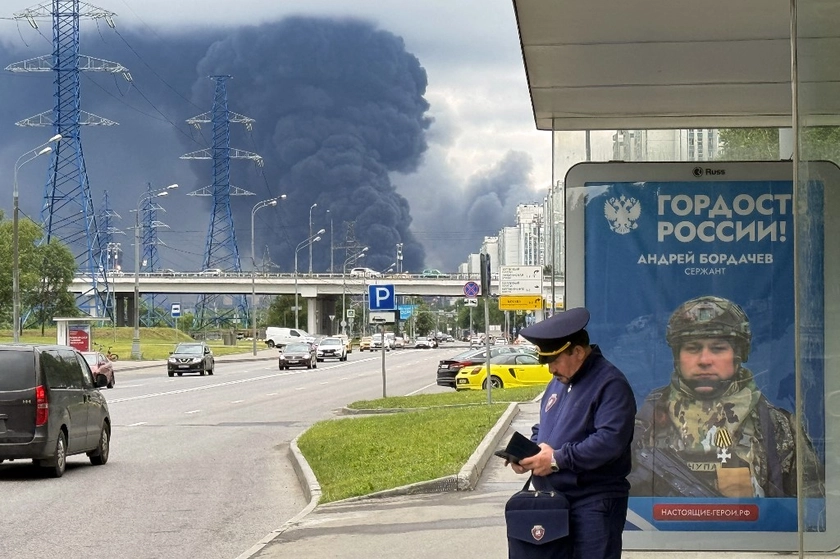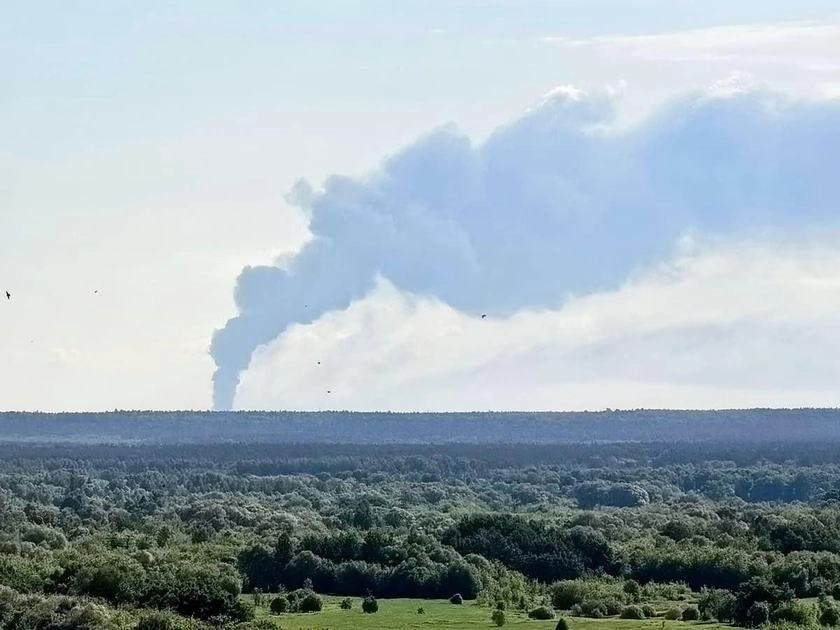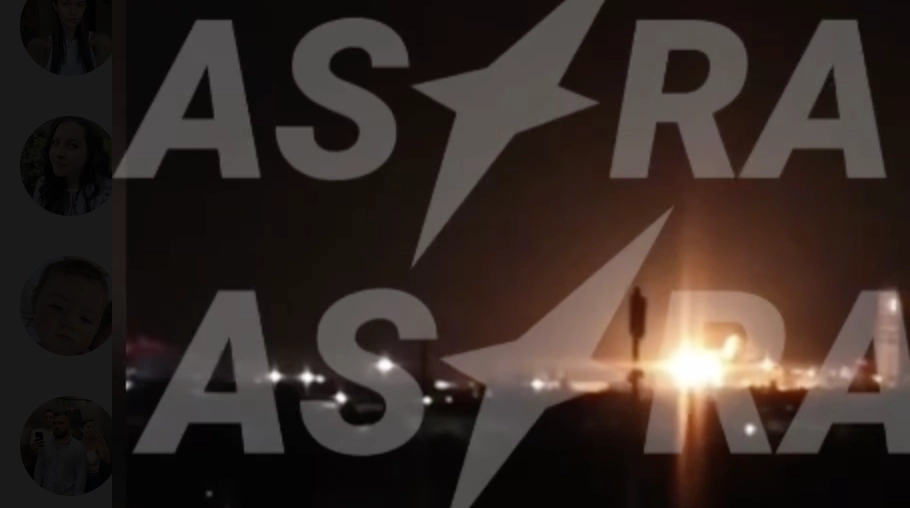
Ukraine launched its largest drone attack yet on Russia’s Stavropol region overnight, targeting a chemical plant believed to be supplying explosives and propellants to the Russian military.
From 2:30 a.m. to 6 a.m., at least 37 drones were shot down over the city of Nevinnomyssk, Stavropol Governor Vladimir Vladimirov said Friday. He reported no casualties or injuries. The city’s mayor, Mikhail Minenkov, said there was no damage on the ground and urged residents not to panic or share images of the aftermath.
JOIN US ON TELEGRAM
Follow our coverage of the war on the @Kyivpost_official.
According to local videos and witness accounts reviewed by independent media outlet ASTRA, the attack’s primary objective was the Nevinnomyssk Azot chemical plant, owned by EuroChem – Russia’s largest fertilizer producer.
The facility was previously hit by Ukrainian drones on June 14, causing damage to anti-drone defenses and forcing 800 employees into bomb shelters.
Reuters has reported that between 2022 and 2024, the Nevinnomyssk Azot and Novomoskovsk Azot plants supplied at least 38,000 tons of acetic acid and nearly 5,000 tons of nitric acid to the Sverdlov munitions factory in Dzerzhinsk. These chemicals are used to produce military-grade explosives like RDX and HMX, key components of propellant in artillery shells.
Andriy Kovalenko, head of Ukraine’s Center for Countering Disinformation, called the plant a “critical element” of Russia’s defense industry following the first strike on June 14. He said the facility produces up to a million tons of ammonia and more than a million tons of ammonium nitrate annually – both used to make explosives and artillery ammunition.
Ukraine Says Strikes on Russia’s Shadow Fleet Are Legal
It also manufactures substances such as melamine, methanol, and potassium nitrate, which are used in high-explosive warheads and in rocket motors to propel missiles.
This is part of a broader campaign by Ukraine to deplete and degrade Russia’s military supply chains. In May, Ukrainian drones struck the Dmitrievsky Chemical Plant in Ivanovo and the Azot plant in the Tula region, both involved in the production of chemicals that can be used in explosives manufacturing.
Moscow has not officially commented on the strategic impact of these strikes.
You can also highlight the text and press Ctrl + Enter

Russia Hit by 660-Drone Overnight Barrage Targeting Moscow, Crimea and Key Military Sites