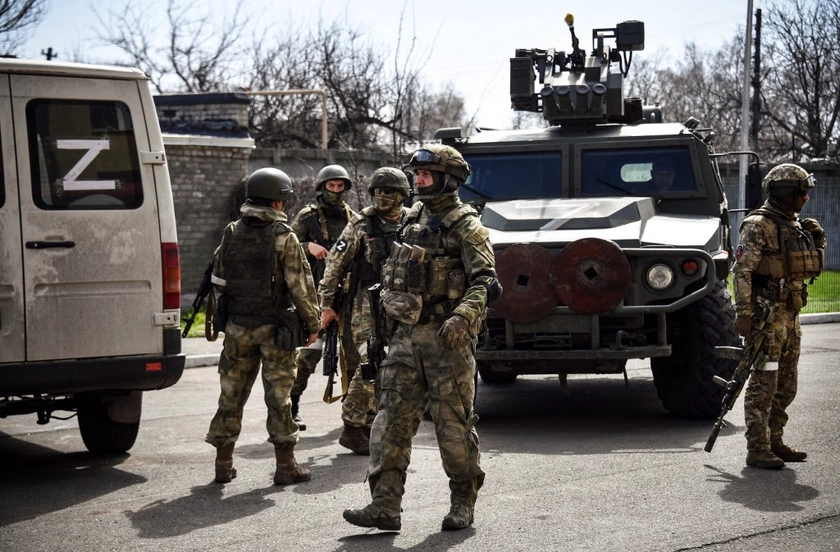
The Security Service of Ukraine (SBU) has submitted evidence to The Hague documenting more than 10,000 incidents in which Russian forces allegedly used banned chemical agents against Ukrainian troops since the start of the full-scale invasion in 2022.
Ukraine’s security service (SBU) says Russia has used banned chemical weapons more than 10,000 times since launching its full-scale invasion in 2022 and has now handed over the evidence to international prosecutors in The Hague.
JOIN US ON TELEGRAM
Follow our coverage of the war on the @Kyivpost_official.
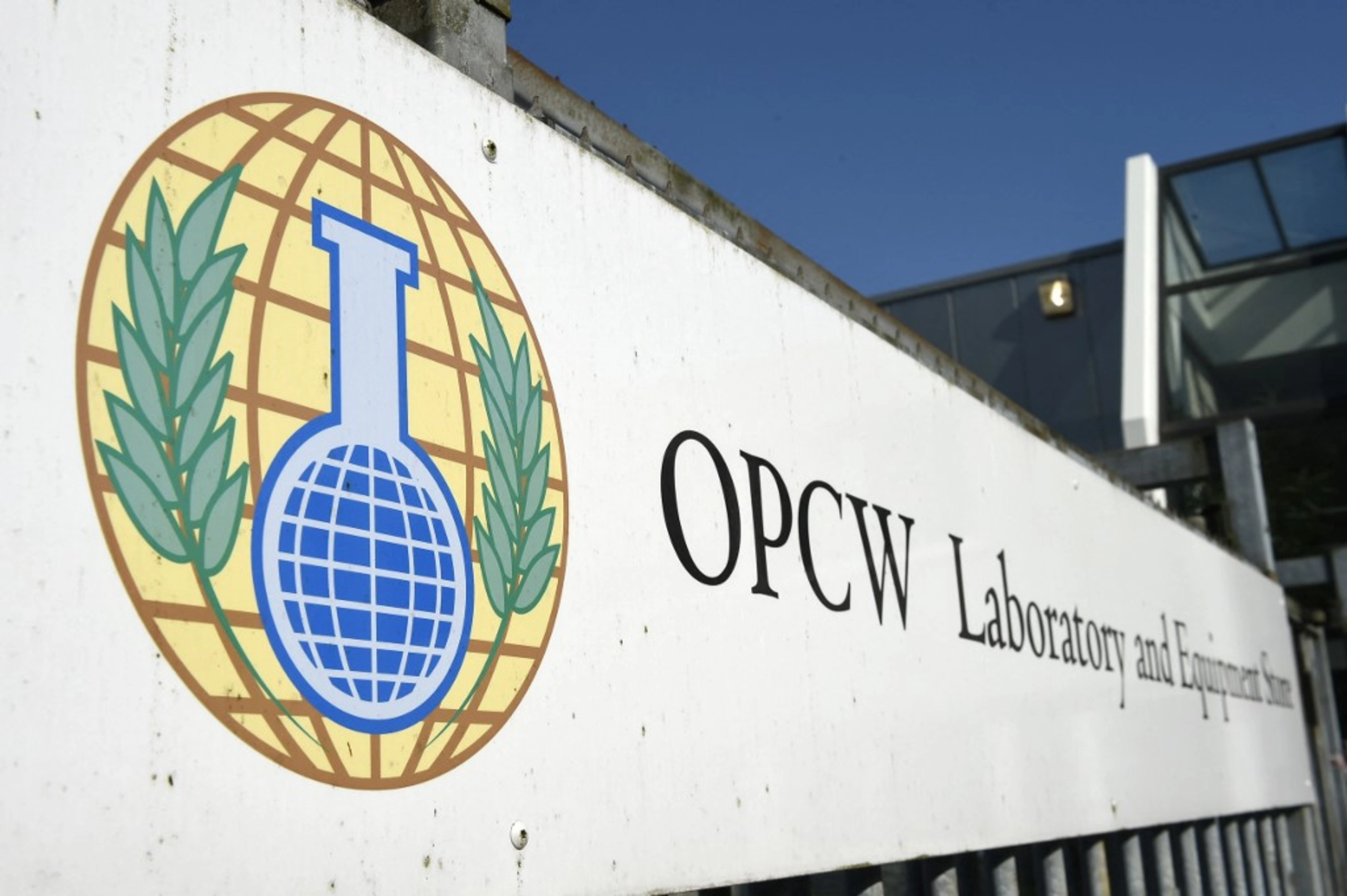
The materials were delivered to the Organisation for the Prohibition of Chemical Weapons (OPCW) for laboratory analysis, marking the most comprehensive case Ukraine has presented so far in its push to hold Russia accountable for chemical war crimes.
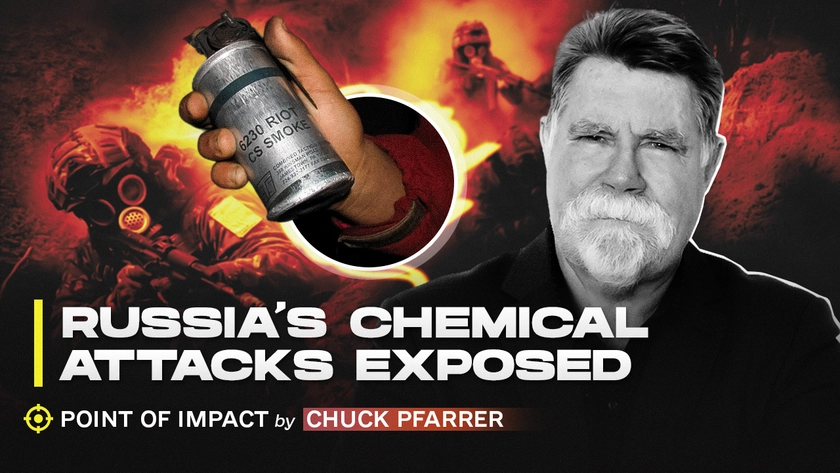
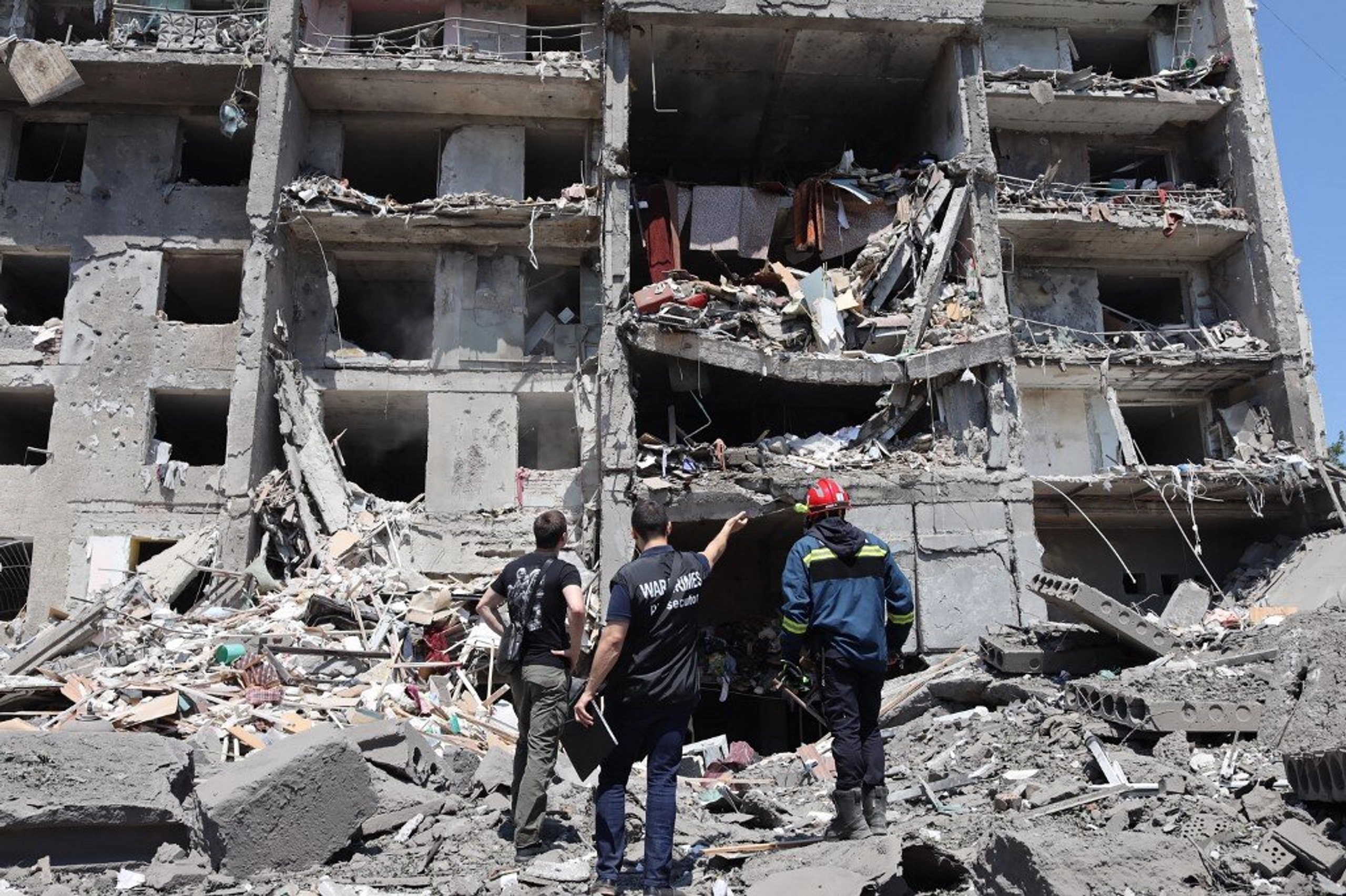
According to the SBU, Russian forces have routinely used CS (chlorobenzylidene malononitrile) and CN (chloroacetophenone) aerosol grenades – riot control agents prohibited in warfare – as well as ampoules containing the toxic compound chloropicrin.
Italy, France Reject EU Proposal to Ban Ex-Russian Soldiers
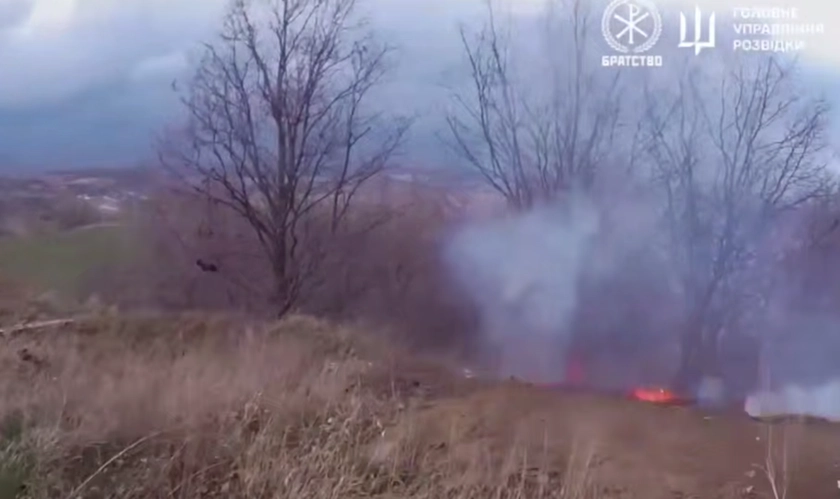
These chemicals are frequently dropped by FPV drones to flush Ukrainian defenders from trenches or bunkers, making them vulnerable to conventional fire.
The highest number of attacks has been recorded in eastern Ukraine and during Russian assaults on the Nikopol district in Dnipropetrovsk region, the SBU reported.
The 1993 Chemical Weapons Convention, which Russia signed, prohibits the use of these substances in armed conflict.
The OPCW has already published three separate reports confirming the use of toxic chemical agents by Russian troops in Ukraine, yet Russia remains on the OPCW Executive Council.
The European Council responded by imposing sanctions on several Russian military units and institutions tied to the production and deployment of such weapons.
These include Russia’s Radiological, Chemical and Biological Defense Troops, the 27th Scientific Center, and the 33rd Central Research and Testing Institute of the Russian Ministry of Defense.
Ukraine has also opened a domestic war crimes investigation under Article 438 of the Criminal Code. Dutch intelligence services have corroborated Ukraine’s findings, publicly confirming in July that Russia is engaged in “large-scale and systematic” chemical weapons use, including chloropicrin and improvised gas munitions.
Dutch officials warned that the practice is becoming normalized and urged Russia’s removal from the Executive Council.
Ukrainian officials continue working with international bodies to ensure accountability for illegal chemical attacks.
You can also highlight the text and press Ctrl + Enter

Attack on Moscow Oil Refinery: Putin Under Pressure?