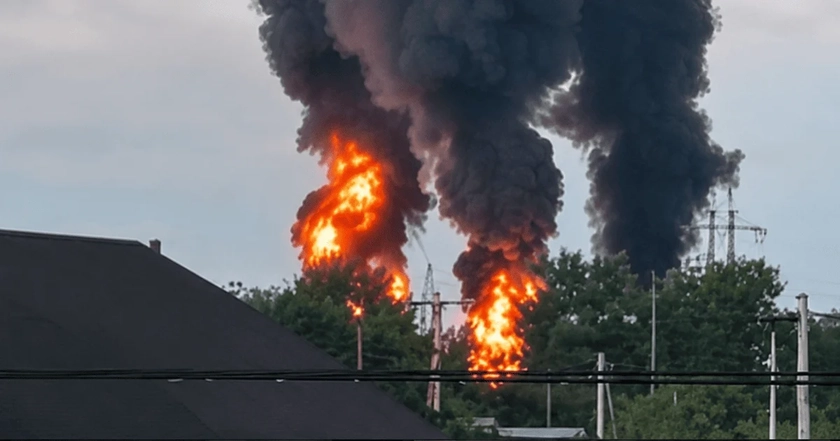
A deadly Russian airstrike on Kyiv early Thursday used a new type of high-speed drone that Ukrainian officials say is harder to detect and shoot down.
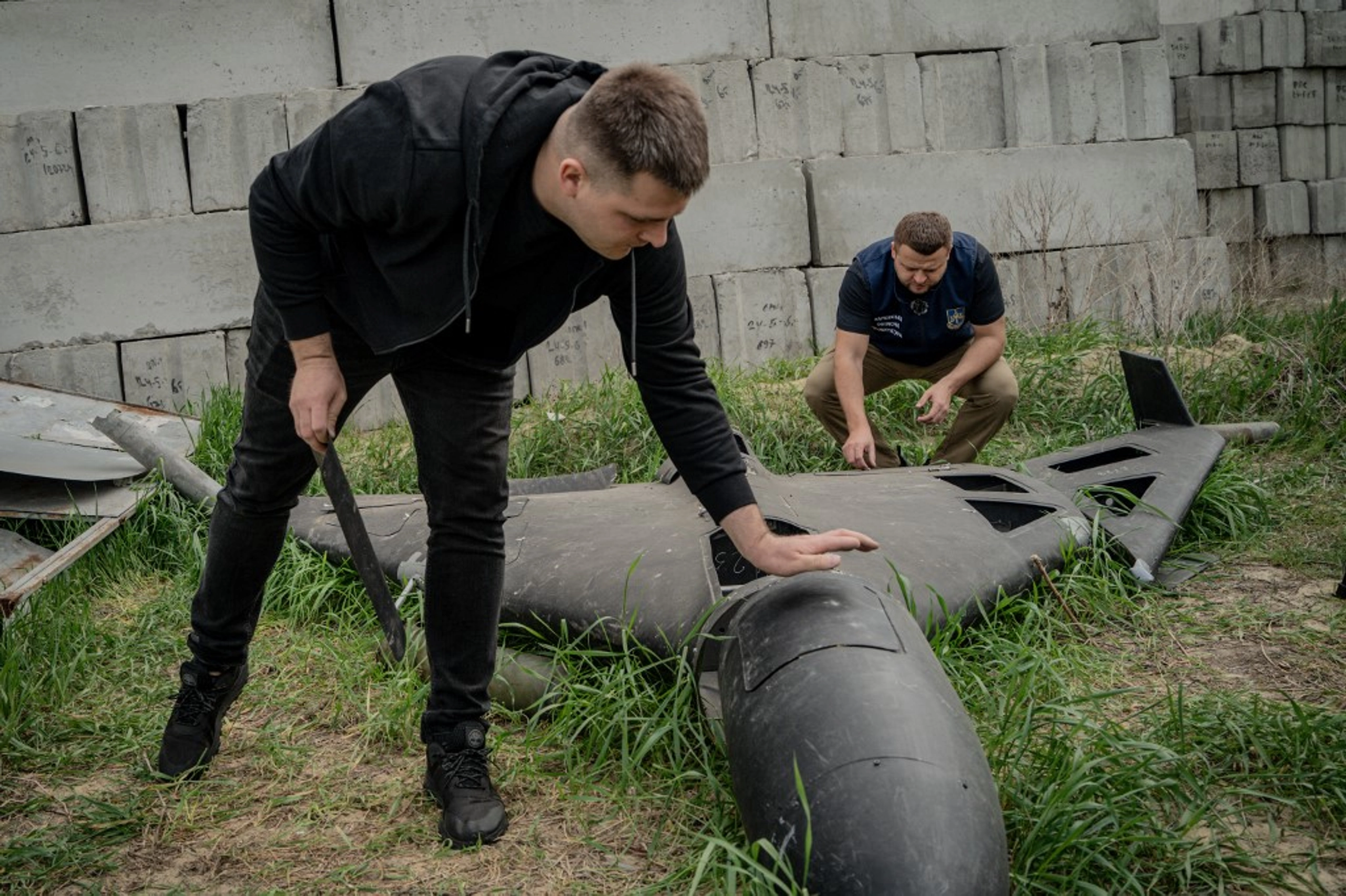
Interior Minister Ihor Klymenko confirmed the use of upgraded Shahed drones, believed to be rocket-or jet-powered, in the overnight attack that killed at least 27 people in the Ukrainian capital.
JOIN US ON TELEGRAM
Follow our coverage of the war on the @Kyivpost_official.
“These Shahed-type drones were used against civilian and public infrastructure,” Klymenko said on national TV. He added that the same drones had appeared in previous attacks but were now becoming more frequent.
Yurii Ihnat, spokesperson for the Air Force, said these newer drones are fast—flying over 500 kilometers per hour—and hard to intercept.
“They sound different from the older versions,” Ihnat said on national TV. “They fly so fast, not all of our systems can stop them. In fact, radars sometimes mistake them for cruise missiles.”
Jet Shaheds: Faster, harder to shoot down
Analysts say the jet-powered version is likely modeled on the Iranian-made Shahed-238. It looks similar to the older Shahed-136 but is faster and harder to detect.
“They can fly at speeds of 400–600 kilometers per hour and heights up to 9 kilometers (30,000 feet),” aviation analyst Kostiantyn Kryvolap told Focus. “That makes them a serious challenge for air defense.”
Military expert Pavlo Narozhnyi noted that these drones carry smaller warheads – about 50 kilograms – but cost far more to produce.

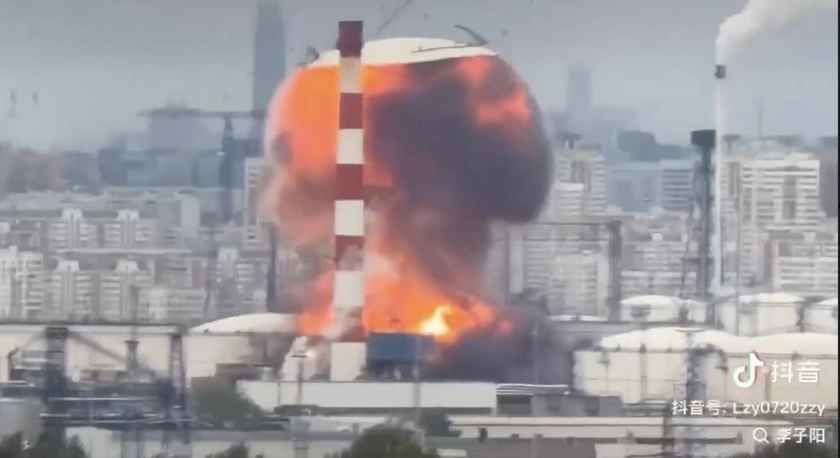
Ukrainian Drones Hit Russian Oil Depot in Krasnodar Region for Second Time in 10 Days
“A regular Shahed costs around $200,000. A jet-powered version could cost close to $1 million,” he said in a comment to Focus. “That’s mostly due to the jet engine, which alone costs $50,000 or more.”
Narozhnyi added that Iran likely produces most of the engines, though some may come from China. Russia, he said, may only be able to build a few dozen each month.
Drone swarms overwhelm air defenses
The bigger problem, experts say, is that Russia uses these fast drones alongside slower ones, making it harder for Ukraine’s air defenses to respond.
While the propeller-powered drones are typically engaged by anti-aircraft artillery (AAA), the faster flying jet engine-powered drones are normally engaged by fighter aircraft. When both type of drones are flown in one attack, friendly aircraft will be mixed with the targeted drones, raising concerns about possible fratricide – shooting down a Ukrainian fighter, especially at night.
“Jet-powered Shaheds fly fast – around 400 km/h – that fighter jets like the F-16, Mirage, or MiG-29 can intercept them effectively without risking aerodynamic stall,” Kryvolap said.
“But slower Shaheds fly at speeds that make it unsafe for jets to intercept them, as low-speed engagements can cause loss of control. When both drone types are used together, air defenses become overwhelmed, and pilots face a high risk of friendly fire from their own anti-air systems.”
Ukraine still doesn’t have a unified strategy to deal with drone attacks, Kryvolap warned.
“There’s no clear command structure,” he said. “With missiles, air defense knows what to do. With drones – especially jets – everyone does what they can.”
These drones fly too fast for mobile teams on the ground to hit with anti-aircraft guns, and too low for many radar-guided systems to detect, Narozhnyi said.
“Only fighters and SAMs [surface-to-air missiles] can reliably take them down,” he said. “But those are expensive tools. Every intercept costs a lot – sometimes more than the drone itself.”
You can also highlight the text and press Ctrl + Enter