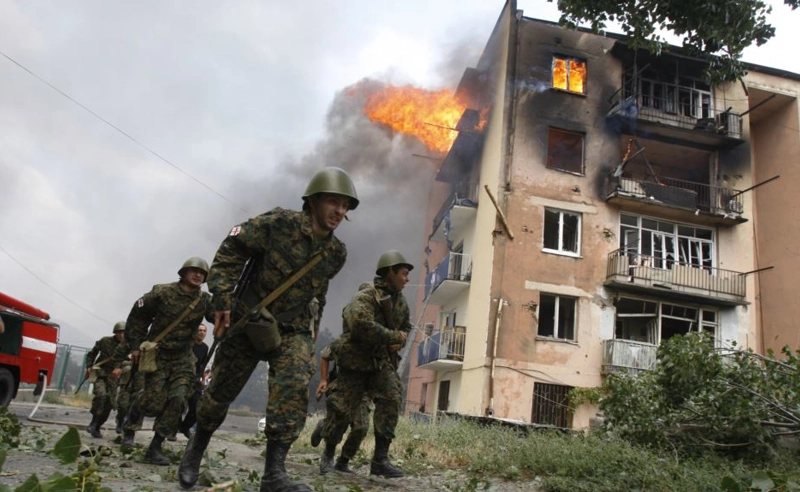
Seventeen years have passed since Russian troops invaded Georgia. On the night of Aug. 7, 2008, Russian regular army units crossed the internationally recognized border into Georgian territory. Although the Kremlin continues to promote the narrative that the war began on August 8, multiple independent investigations, including a ruling by the International Criminal Court in The Hague, confirm that Russia initiated the war – and committed war crimes on Georgian soil.
The conflict claimed the lives of 228 civilians, 170 soldiers, and 14 police officers in Georgia. Around 150,000 people were displaced. Many remain refugees to this day.
JOIN US ON TELEGRAM
Follow our coverage of the war on the @Kyivpost_official.
Despite a ceasefire agreement signed on Aug. 12, 2008 – which required both sides to return to pre-war positions – Russia has continued to violate it. It maintains military control over the Georgian regions of Abkhazia and South Ossetia.
“Creeping occupation” and the borderization process
In the years since 2008, Russia has steadily expanded its control over Georgian territory through a process known locally as “creeping occupation.” This includes the installation of barbed-wire fences and border signs deep inside Georgian-administered areas, often overnight. Villagers living along the occupation lines face arbitrary detentions, separation from family members, and restricted access to farmland and essential services.
The psychological toll of living under the constant threat of border shifts and arrests has created a climate of fear and insecurity in the affected regions.
Russia Warns Armenia of New Trade Curbs After Vote
Divided village, united protest
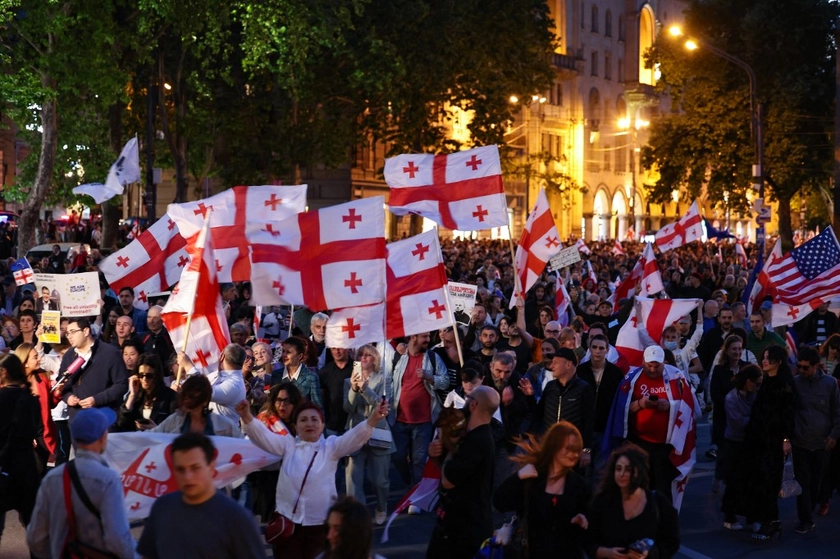
Today, on the 17th anniversary of the war’s outbreak, Georgian citizens gathered in Khurvaleti, a village literally split by the occupation line. Protesters formed a human chain and laid a wreath near the Russian-erected border, vowing never to forget.
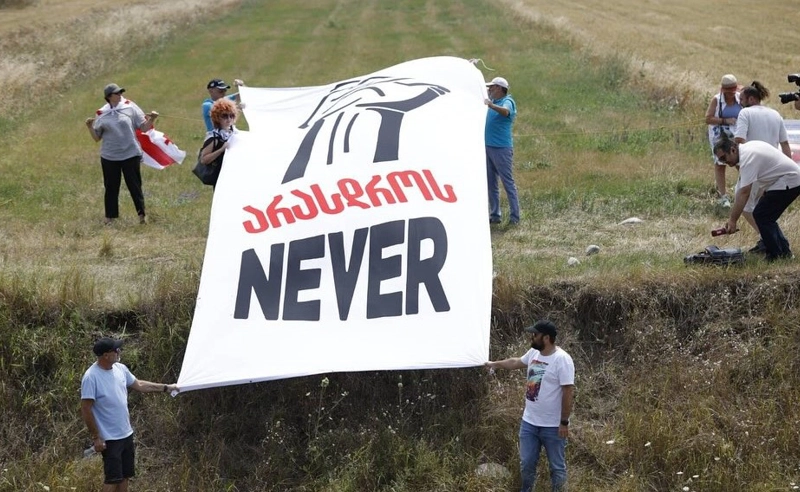
A banner read simply: “Never again.”
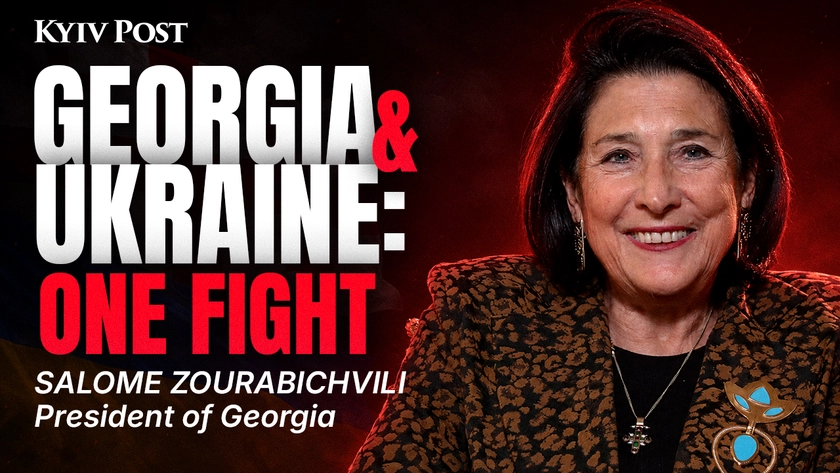
They accuse the ruling party, Georgian Dream, of following a “pro-Russian” path and attempting to erase the memory of the soldiers who died in 2008. “They want us to forget our heroes,” one protester says, “but we won’t.”
Georgia remembers. The world must too
As the world’s attention shifts from one crisis to another – the legacy of the 2008 war risks fading into obscurity. But for those who lost homes, limbs, and loved ones, the war is not history. It is daily reality.
Each year, on Aug. 7, Georgians hold commemorations to honor those who died defending the country. The day also serves as a somber reminder of the human cost of geopolitical gamesmanship. Displaced families still await the right to return home. Soldiers who served in 2008 share stories of trauma and survival, and a new generation grows up with the reality of living in a divided country.
On this anniversary, Georgia is not only mourning the past. It is warning the future.
Activists and opposition leaders claim the Georgian Dream’s government is failing to protect Georgian sovereignty and is silencing those who resist. Journalists face intimidation. Civil society groups report increasing surveillance. Some fear that, under the guise of neutrality, Georgia is drifting further into Russia’s orbit.
The views expressed in this opinion article are the author’s and not necessarily those of Kyiv Post.
You can also highlight the text and press Ctrl + Enter