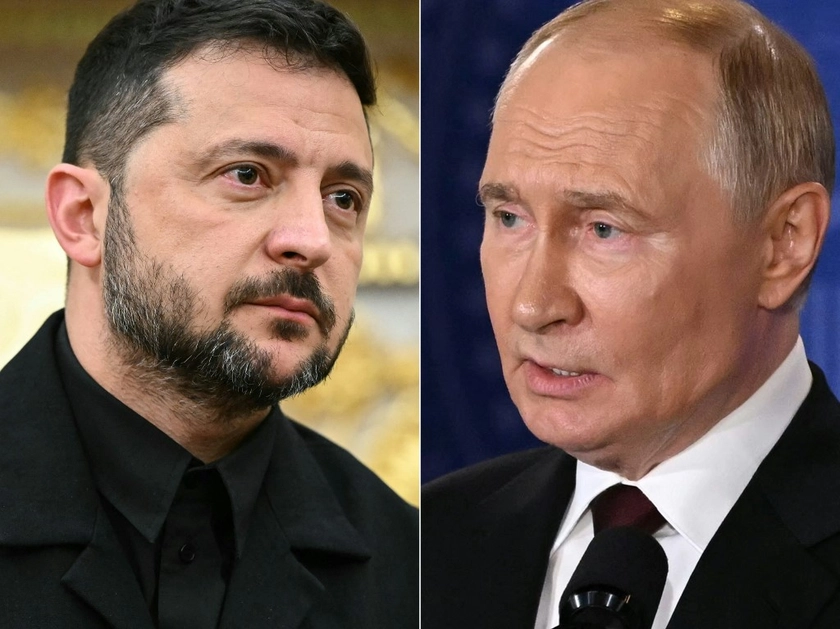
WASHINGTON DC – The White House is working overtime to manage expectations for US President Donald Trump’s highly anticipated summit with his Russian counterpart Vladimir Putin, publicly insisting the meeting is a cautious “listening exercise” rather than a formal negotiation.
As the diplomatic event draws international criticism, both the White House and the State Department have adopted a unified message, framing the talks as a necessary first step toward peace while fending off claims that the summit is a premature victory for the Kremlin.
JOIN US ON TELEGRAM
Follow our coverage of the war on the @Kyivpost_official.
A coordinated message from Washington
During a pair of news briefings on Tuesday, Trump’s press secretary Karoline Leavitt and State Department spokesperson Tammy Bruce provided a coordinated narrative for the talks, which will take place in Anchorage, Alaska.
Both officials were quick to clarify that the meeting was “not a negotiation.” Leavitt described it as a “bilateral meeting” for Trump to “get a more firm understanding of how we can hopefully bring this war to an end,” while Bruce called it a “feel-out meeting” where the US president will “see what [Putin] has in mind.”
Fending off backlash and diplomatic criticism
The consistent message appears designed to preemptively counter a chorus of critics, including Ukrainian President Volodymyr Zelensky, who argue that the meeting is a dangerous misstep.
Questions from reporters highlighted the diplomatic landmines surrounding the summit: a key concern is that by granting Putin a direct audience, the US is legitimizing his position as a world leader despite Russia’s ongoing aggression and the international legal accusations against him.
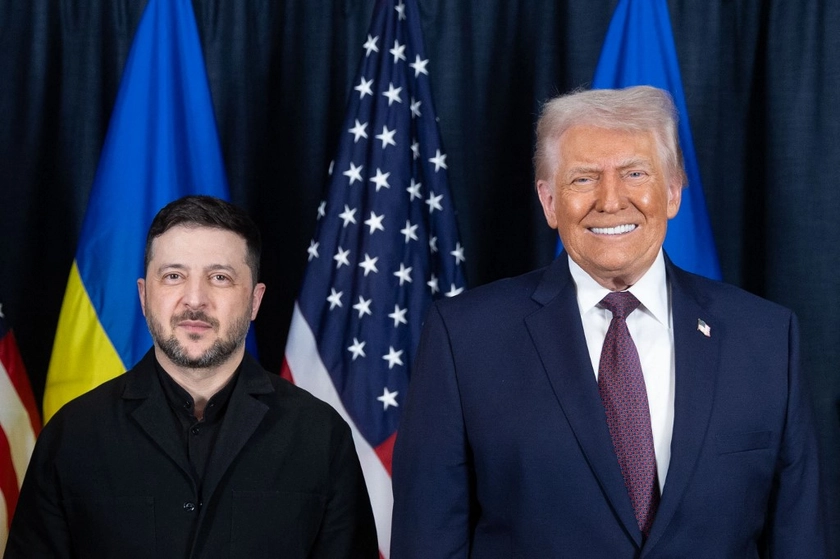
Trump to Join Zelensky for G7 Working Session on Ukraine Peace Conditions
Key issues remain unaddressed
Leavitt and Bruce both faced intense scrutiny over the administration’s handling of the delicate situation. Bruce dismissed the idea that the summit itself was a victory for Putin, stating that Trump was committed to “getting the job done” and that “you don’t make peace through performative actions or theater. You make it by talking to people.”
Leavitt, for her part, was pressed on several key issues but maintained a careful evasiveness. Asked about abducted Ukrainian children, she refused to call their return a “red line,” instead characterizing it as a humanitarian issue that “Russia and Ukraine need to iron out together.”
Leavitt also dodged a question about the broader diplomatic message sent by Trump’s previous remarks on a potential land swap, pivoting instead to a defense of the administration’s overall foreign policy.
When pressed about the lack of Ukrainian representation, she explained that the meeting was a “listening exercise” with a single party, but insisted there were plans for a future trilateral meeting.
Confidence amid controversy
Despite questions, both spokespeople projected confidence in Trump’s approach, with Leavitt adding that she was “very confident” the US president would remain optimistic after the talks.
Bruce also provided a glimpse into the administration’s strategic toolbox, hinting that potential consequences for Russia included “secondary sanctions on those who are buying Russian oil.”
High-stakes diplomatic gamble
While the White House is keen to position the Anchorage summit as an essential act of diplomacy, the tightly controlled messaging underscores the enormous political risk. The administration is betting that its “listening exercise” will yield tangible progress on peace, without providing a victory to the Kremlin.
The fate of that gamble – and the perception of who truly holds the advantage – will become clearer as the world watches the two leaders meet on Friday.
You can also highlight the text and press Ctrl + Enter

CARTOON: Who Has the Cards Now?
FACT-CHECK: Is Donald J. Trump Truthful About Ukraine?
OPINION: Crimea Cuts, St. Pete Double Tap, Boats Bashed