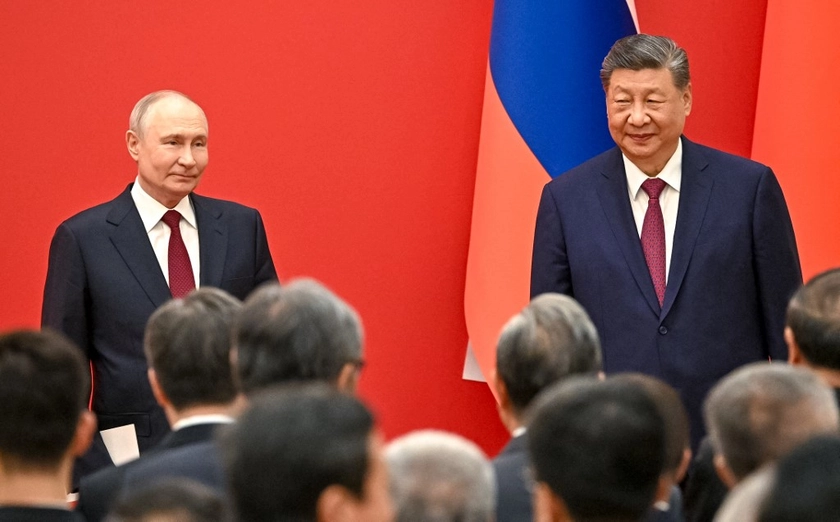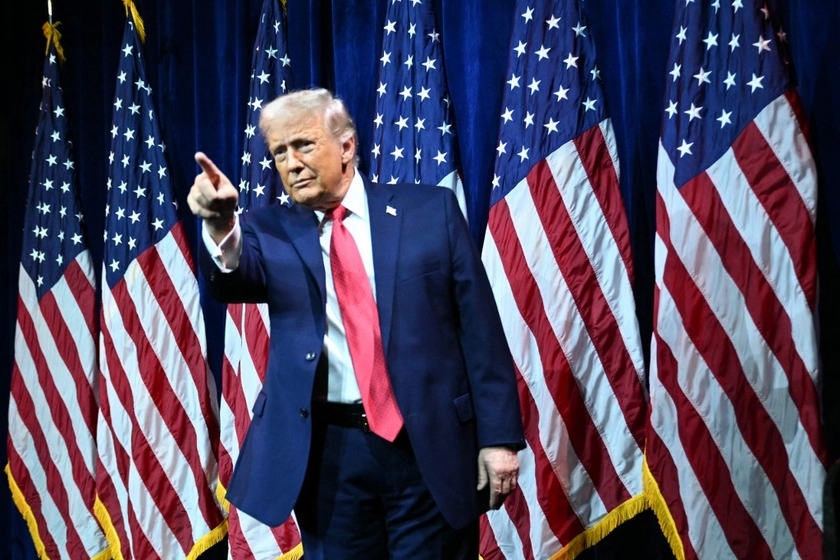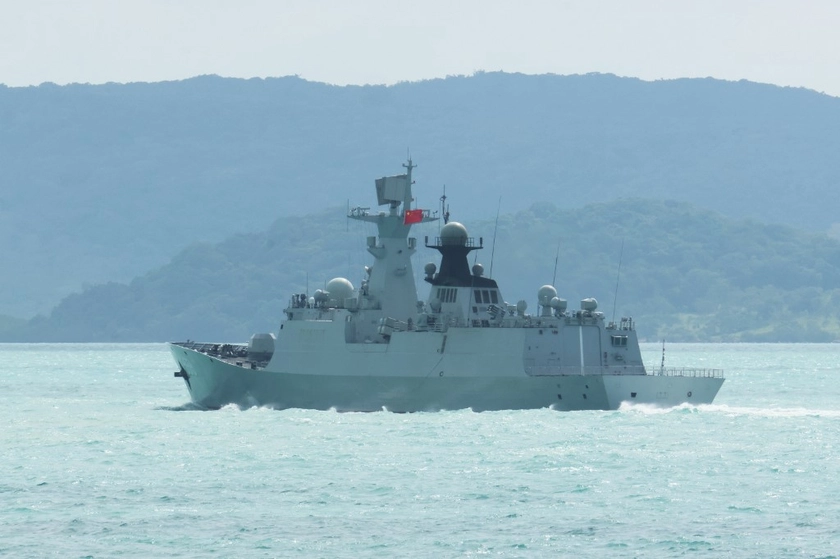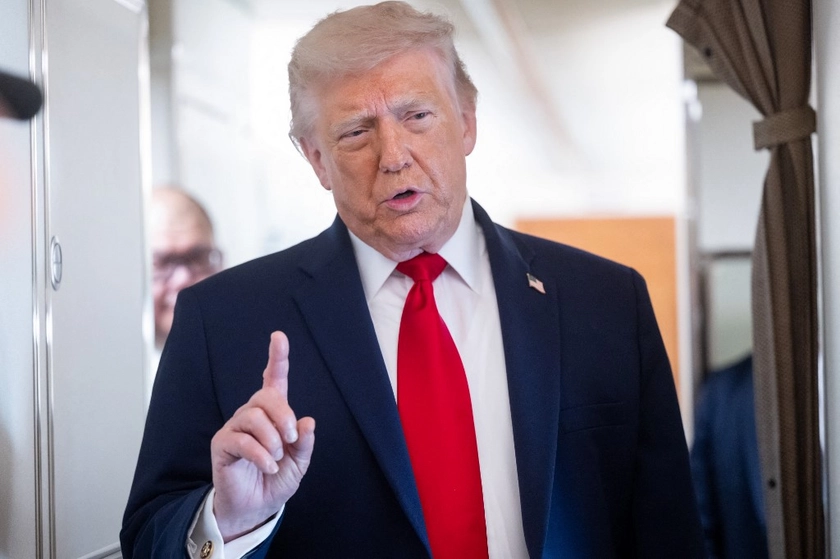
The headlines are dominated by the impending Trump–Putin meeting in Alaska. The White House prefers to call it a “fact-finding” exercise, but make no mistake – this is high-stakes summitry. And while all eyes are on Washington and Moscow, I would bet money that phone lines are burning between Beijing and the Kremlin.
In the Russia–China relationship, China is – and always has been – the senior partner. Beijing’s appetite for rare earths is insatiable, and it has a long track record of securing them wherever they lie – even in occupied territories. Ukraine, before the war, supplied about half the world’s neon, a crucial component in semiconductor manufacturing. It also sits atop significant lithium reserves, vital for the EV vehicle battery revolution.
JOIN US ON TELEGRAM
Follow our coverage of the war on the @Kyivpost_official.
If Ukraine’s east were to be traded away in Alaska, it wouldn’t just be a loss for Kyiv – it would be a windfall for both Moscow and Beijing. (The latest headline coming out of pre-summit coverage is that Trump will offer minerals to Russia in exchange for peace).
Unfortunately, President Volodymyr Zelensky goes into this next chapter of the war with vastly diminished political capital at home. That’s the direct result of the boneheaded decision by his administration to decapitate Ukraine’s independent anti-corruption bodies. It triggered massive protests, and even though the decision was reversed, it created long-term cracks in the political unity that had largely held since the start of the full-scale invasion.
Brussels Warned Over Pervasive Militaristic Rhetoric in Economic Policymaking
Both Washington and Moscow will be aware of this weakened domestic standing – and while we can only speculate on how it will factor into the talks, it will certainly be in the background.
Europe, unfortunately, may have contributed to Zelensky’s apparent belief that Donald Trump can be trusted to deliver a fair deal. If that’s his view, it’s pure fantasy. Just look at how Canada – America’s closest ally – has been treated by Trump: lied to, threatened, humiliated.
Now, the US president says that if Putin violates any deal, there will be “consequences.” But we’ve seen this movie before. Deadlines are vague, penalties are flexible, and strongmen like Putin thrive in that fog and world of blurred lines.
For Putin, the invitation to Alaska is an unearned diplomatic triumph. Without lifting a finger or offering a single concession, he will land on US soil – at a US Air Force base no less – and be presented as a statesman. This is the lifting of his diplomatic isolation on a silver platter.
Yes, there has been a flurry of urgent diplomacy across Europe in recent days, but let’s be brutally honest: Europe has spent years kicking the can down the road on Ukraine. It ignored repeated warnings – even during Trump 1.0 – to boost defense spending.
Years ago, on a panel of foreign correspondents and geopolitical experts in London, we agreed Russia posed an existential threat to Europe and that nations like the UK should be on a war footing. Those warnings were brushed aside.
Now, even as European leaders promise to be “guarantors of peace” for Ukraine, the uncomfortable truth is that the United States still holds the decisive cards – especially when it comes to providing the weaponry Kyiv really needs – such as a the Patriot missile defense batteries – and crucial intelligence, not to mention Elon Musk’s Starlink satellite communications system.
And to be fair to the Europeans, as the British security and defense analyst Michael Clarke reminded us, the continent now provides vastly more weaponry to Ukraine than the US does – $120 billion compared to the $260 billion from Europe (since February 2022).
We must hope – and insist – that any agreement reached in Alaska delivers more than a fragile ceasefire. It must restore all illegally occupied territory. It must hold Russia accountable for war crimes, the abduction of thousands of Ukrainian children, and the bombing of schools, hospitals, and churches. It must compel Russia to pay the staggering cost of reconstruction – a bill likely exceeding $1 trillion.
Ukraine must not be forced to demilitarize, hold elections on Russia’s timeline, or relinquish its sovereign right to determine its future. Anything less than a full pushback of Russian forces will leave not only Ukraine, but the entire European continent – and by extension, the world – at perpetual risk.
The stakes in Alaska are not just about borders on a map. They are about the future of the rules-based order, the sanctity of sovereignty, and whether the world will reward brute force with diplomatic pageantry. Beijing is watching closely. So is the rest of the world.
Michael Bociurkiw is a Sr. Fellow at the Atlantic Council and creator of the World Briefing newsletter on Substack.
The views expressed in this opinion article are the author’s and not necessarily those of Kyiv Post.
You can also highlight the text and press Ctrl + Enter

Kremlin Warned: War Spending Is Breaking the Budget