Experts warn that the US president’s diplomatic push is being outmaneuvered by the Kremlin, with no real peace in sight.
In a striking convergence of diplomacy and aggression, Russia’s ongoing war in Ukraine has become a proving ground for the high-stakes dynamic between US President Donald Trump and his Russian counterpart, Vladimir Putin.
JOIN US ON TELEGRAM
Follow our coverage of the war on the @Kyivpost_official.
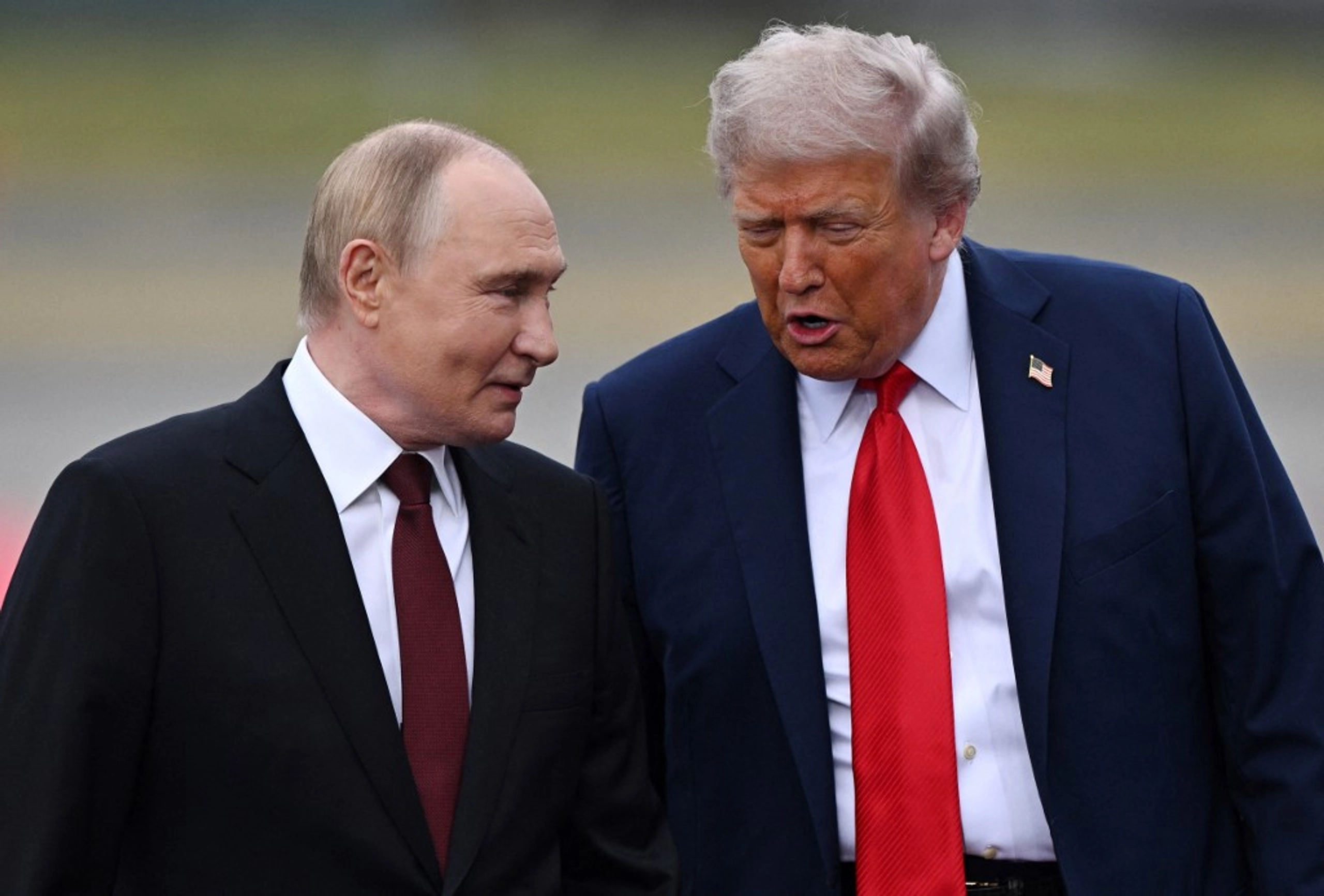
While Trump has sought to position himself as the ultimate dealmaker capable of brokering peace, policy analysts suggest he is being expertly outmaneuvered by a Russian leader who understands his negotiating style all too well.
The unflinching reality on the ground
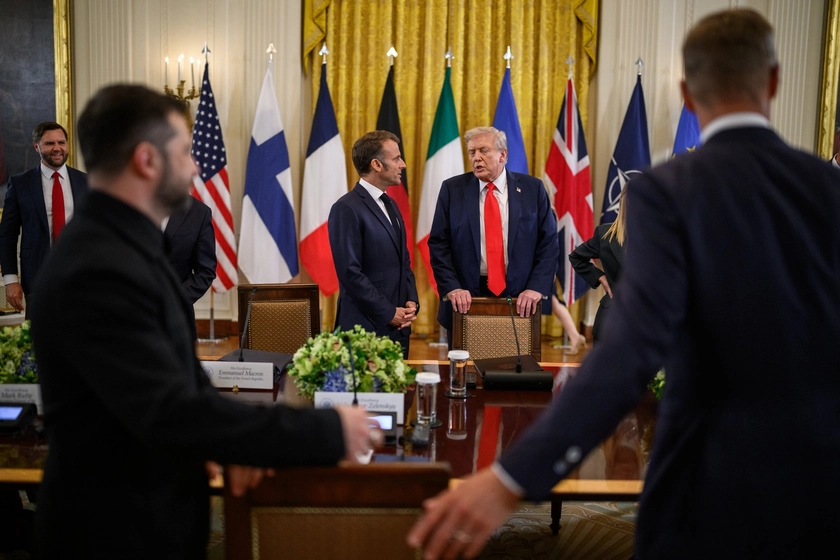
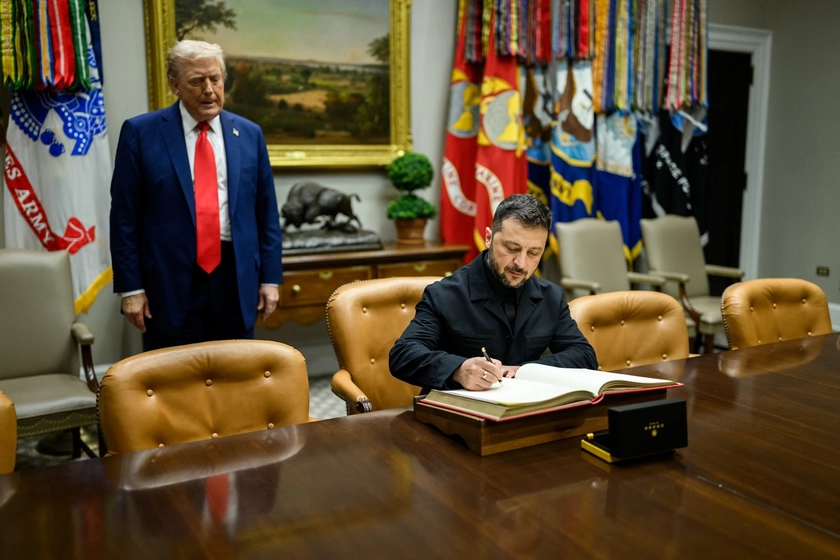
The timing of recent events underscores the Kremlin’s hardened position. As President Volodymyr Zelensky and a delegation of European leaders met with Trump in Washington on Monday, Russia unleashed a major aerial assault on Ukraine.
With over 270 drones and 10 missiles launched, the attack was one of the largest in weeks and a pointed reminder from Putin that his war of aggression is not winding down.
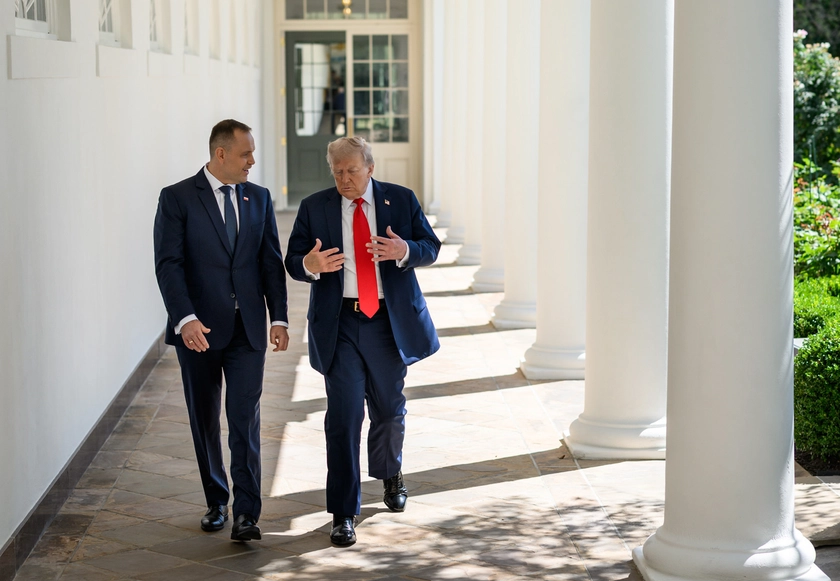
Trump Downplays Russian Drone Incursion into Poland as ‘Mistake,’ Drawing Sharp Rebuke From Allies
The targets, including critical energy infrastructure, highlight a campaign of “systematic terrorist attacks” that Ukraine’s Energy Ministry has called a “direct violation of international humanitarian law.”
This military action provides a grim context to the diplomatic talks, which were themselves a follow-up to a recent summit between Trump and Putin in Alaska.
According to sources, that meeting ended with Putin not only refusing an immediate ceasefire but also demanding that Ukraine cede the entirety of its eastern Donetsk region.
This precondition for peace lays bare the chasm between Russia’s objectives and any reasonable hope for a just resolution.
The psychological warfare of diplomacy
Matt Duss, executive vice president at the Center for International Policy, a Washington-based think tank, suggests that Putin has successfully exploited a key vulnerability in Trump’s approach: his reliance on intimidation and his personal need to be seen as a winner.
“Trump is very good when he can bully people,” Duss told the Kyiv Post’s Washington correspondent, adding “and Putin is someone who, in Trump’s words, has cards.”
“Trump clearly feels that Putin is someone who intimidates him… Putin is someone who knows how to handle Donald Trump,” he added.
Duss argues that Trump’s belief in his own “skill as a negotiator” is misplaced when it comes to international security. “He might be a good negotiator when it comes to building a new casino, but he is clearly not a skilled negotiator or diplomat,” Duss said.
He points to the Alaska summit as a prime example, where Putin got Trump to do a “180-degree turn” from his own initial position.
Trump’s previous call for an immediate ceasefire was abandoned in favor of Putin’s preferred path: a broader, long-term discussion about an “end to the war” on Russian terms. “Donald Trump has shown him that he’ll go along with it,” Duss noted.
This shift in focus is a significant win for Putin, who has demonstrated his disdain for any notion of being “afraid of Donald Trump.”
The fact that a major missile barrage occurred during the Washington talks further proves that the Kremlin feels no pressure to alter its military strategy to appease the US President.
The troubling “quid pro quo” and the future of guarantees
Retired US Army Colonel Richard Williams, a veteran with extensive NATO experience, has also expressed deep concern over Trump’s “shallow façade” as an honest broker.
Speaking to Kyiv Post, Williams warned that a “hot mic” moment on Tuesday allegedly revealed Trump referring to a personal “quid pro quo” with Putin, a deal that would take place “behind the scenes” and serve Trump’s interests. This, he says, underscores a “deceitful intent” and a lack of commitment to the principles of a reliable Western ally.
Williams pointed out the fundamental discrepancy between Putin’s demands and any hope for a lasting peace.
Putin insists on the “legalization of the Annexation of Crimea” and “the Donbas as well as other territory,” all while excluding NATO from any post-conflict security framework.
This leaves the door open for what Williams described as a “toothless and ineffective” security regime.
The question of security guarantees is a critical point of discussion. While the White House has now left open the possibility of providing US air power – a notable shift from previous administrations – the meaning of such a guarantee remains ambiguous.
According to Duss, Ukraine would like these guarantees to mean that the US and Europe would be willing to “come to Ukraine’s defense, not just through arms, but through troops and other military means.”
However, with Putin actively working to sideline NATO, the path to a meaningful and credible security arrangement for Ukraine remains fraught with peril.
In the end, the expert consensus is clear: while Trump is attempting to reframe the conflict and position himself as the central figure of peace, his actions are being co-opted by a more cunning adversary.
By ceding ground on key issues and abandoning previous positions, Trump risks providing Putin with a diplomatic victory that validates Russia’s aggression and offers no real guarantee of a just and lasting peace.
The hopefulness of some European leaders, Williams cautions, is a dangerous illusion: “This is not going to happen and Europe/NATO must plan accordingly!”
You can also highlight the text and press Ctrl + Enter