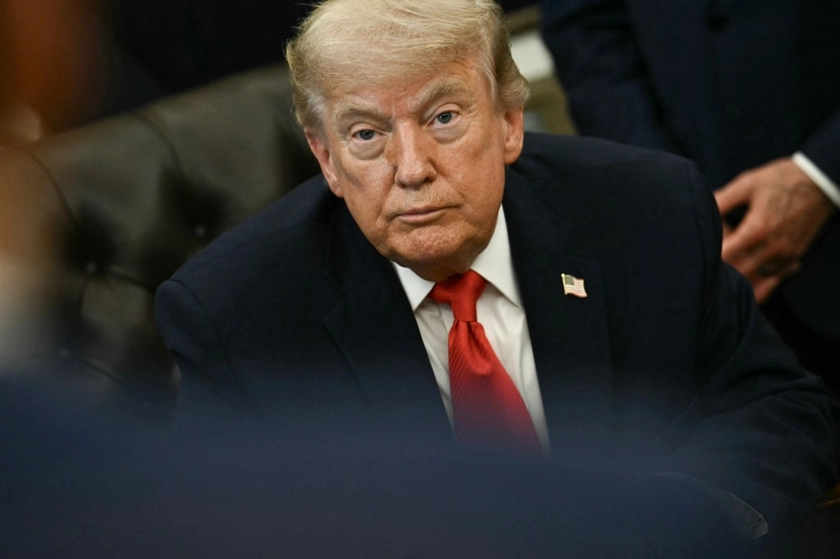
WASHINGTON DC – The Trump administration on Thursday offered a nuanced, and at times detached, reaction to Russia’s overnight strike on Kyiv, which killed at least 23 people and injured several dozen more, stating that while President Donald Trump was “not happy” about the news, he was also “not surprised.”
White House Press Secretary Karoline Leavitt addressed the attack, which Ukrainian authorities described as the second-largest of the war, by contextualizing the violence as part of a cycle of conflict.
JOIN US ON TELEGRAM
Follow our coverage of the war on the @Kyivpost_official.
“These are two countries that have been at war for a very long time,” Leavitt told reporters.
She pointedly drew a parallel between Russia’s assault on Kyiv and Ukraine’s recent attacks on Russian infrastructure, adding that Ukraine had taken out “20 percent of Russia’s oil refinery capacity.”
Leavitt reiterated President Trump’s desire for an end to the war but placed the onus on both sides, stating: “The President wants it to end, but the leaders of these two countries need it to end and want it to end,” she said, adding that Trump “will make some additional statements on this later.”
The measured tone from the White House stood in contrast to the more forceful condemnation from Trump’s special envoy, Keith Kellogg, who in a separate statement called the strikes “egregious” and warned they “threaten the peace that [Trump] is pursuing.”
You Realize How Valuable Life Is When Death Feels Possible Every Day
Kellogg emphasized in a social media post that the targets were “not soldiers and weapons but residential areas in Kyiv – blasting civilian trains, the EU & British mission council offices, and innocent civilians.”
Wider response
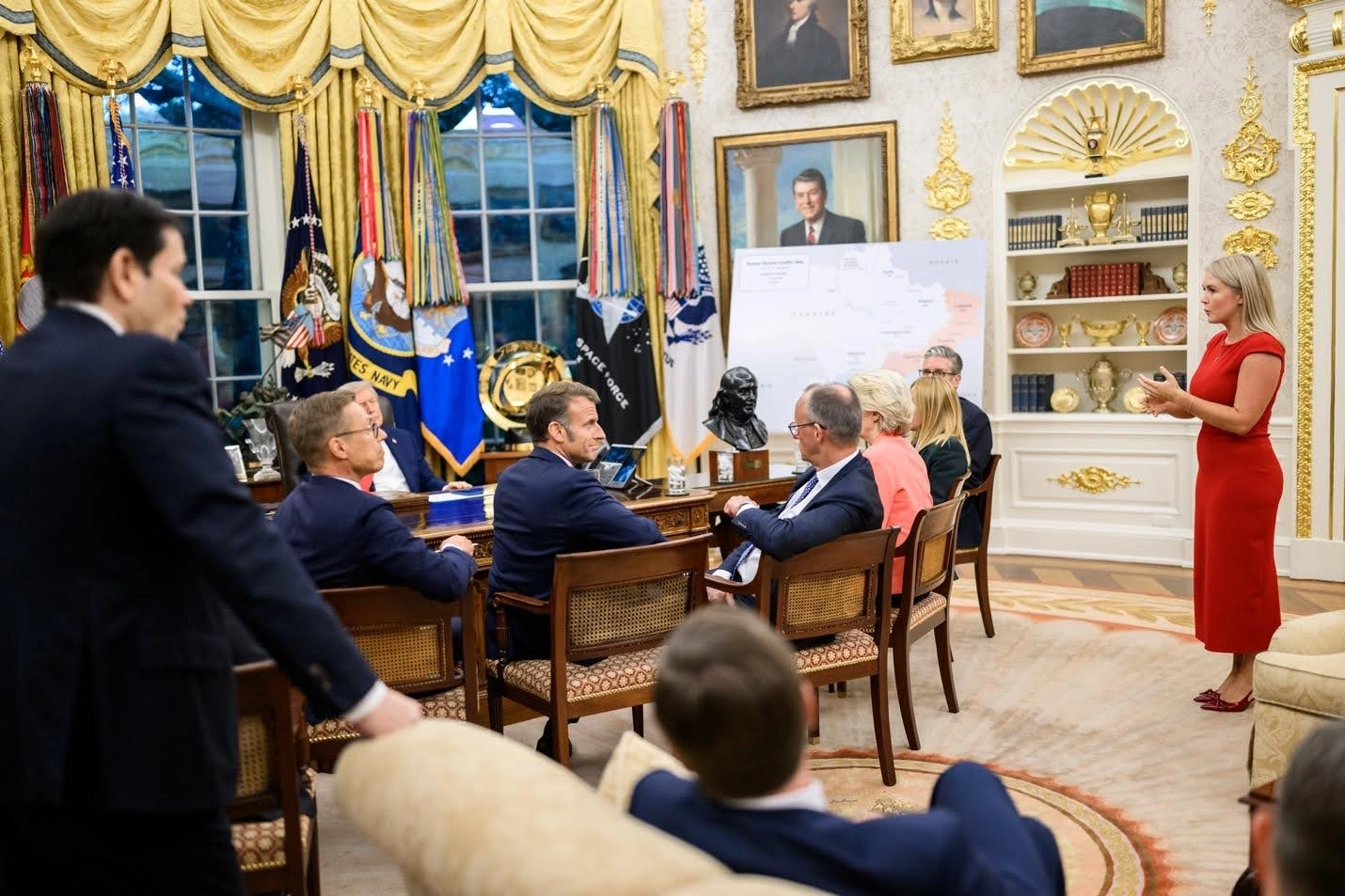
The attack also prompted a direct exchange between key international leaders. As Kyiv Post reported earlier, European Commission President Ursula von der Leyen revealed she had spoken with both President Volodymyr Zelensky and President Trump, following the strike on the EU’s office in Kyiv.
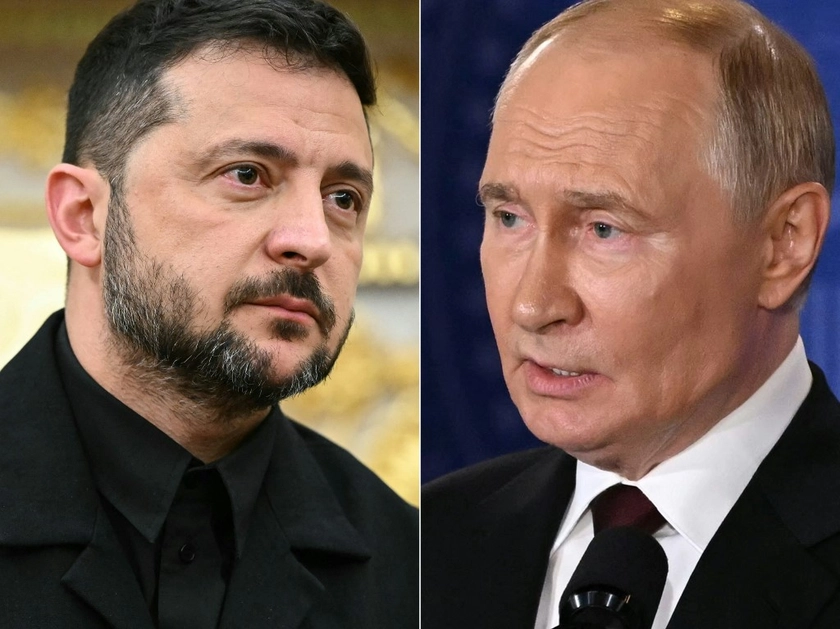
Von der Leyen issued a stern message to Russian President Vladimir Putin, urging him to “come to the negotiating table” to secure a “just and lasting peace for Ukraine.”
However, a more critical perspective emerged from the humanitarian community. Yuriy Boyechko, CEO of the US-based organization Hope for Ukraine, offered a scathing critique, telling Kyiv Post that the lack of new sanctions and aid from the White House has only “emboldened” Putin.
The US, he said, “is no longer the democratic leader of the free world” and that Europe must now take the lead on its own terms.
The attack, which caused at least 18 deaths and 48 injuries, has not only inflicted a new round of suffering but also brought into sharp focus the growing rift within the Western alliance and the difficult path ahead for a region struggling to find a way to end the war on its own terms.
The differing reactions from key players highlight the complexities and deep divisions as the conflict enters a new and brutal phase.
You can also highlight the text and press Ctrl + Enter